
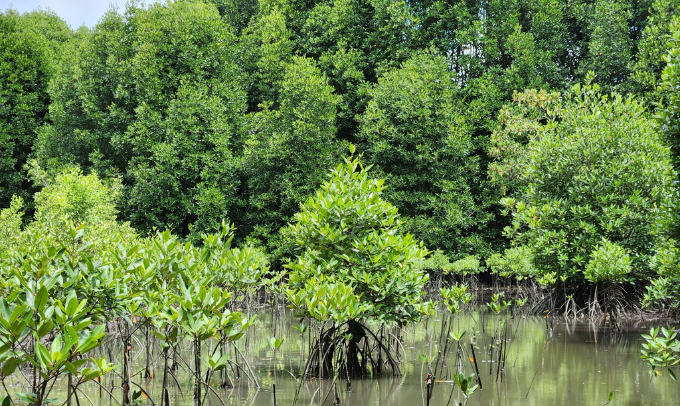
Twenty school eco clubs spent a day in the mud at Kuala Selangor Nature Park and left 1,200 mangrove saplings behind.
MSIG Insurance (Malaysia) paid for the saplings, and the Malaysian Nature Society (MNS) organized the planting. The insurer announced the event on 5 December 2025 as the latest step in a partnership that started in 2019.
By the company’s count, it and MNS have put in roughly 10,587 mangrove saplings across Peninsular Malaysia since then. More are on the way. Another 1,200 went into the ground the week before, in Selangor, Kedah, Perak, Melaka, Johor and Kota Kinabalu, and 400 more were scheduled before the year ended. Darau Wetlands in Sabah is a new planting site this year. Many MSIG employees volunteered at the plantings alongside the funding.
Why an insurer plants trees
Deputy chief executive Toshibumi Suzuki put it in terms of his own trade. He grew up and worked in Japan, he said, and has seen typhoons and floods wreck lives and livelihoods; Malaysia has its own flooding. “Mangrove forests are one of the best examples of how nature protects us,” he said. Their roots hold coastlines in place and blunt waves and storm surges, he explained, and the trees give fish, birds and other wildlife a home while absorbing carbon dioxide. “In many ways, mangroves act as nature’s own form of insurance.”
Chief executive Ang Yien Chia said the company has planted more than 10,000 saplings in several states and plans to widen the effort each year. “Our aim is not just to count the number of trees planted,” she said, “but to contribute to stronger, healthier, and more resilient coastal communities in the long term.” She said the students’ involvement made the event meaningful: “they are actively shaping Malaysia’s environmental future.”
The company describes the mangrove work as its main supported project with MNS, the country’s oldest and largest membership-based environmental group, founded in 1940. MSIG said it may add other restoration activities later.




