
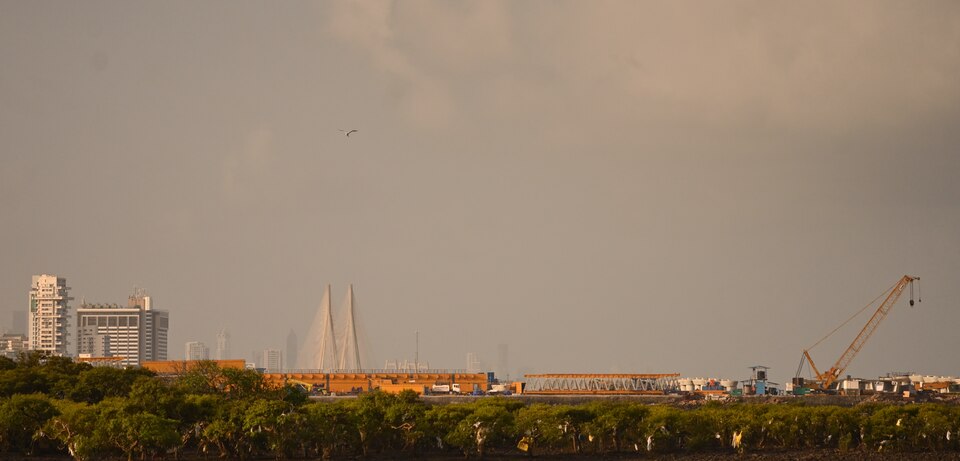
A redevelopment pipeline valued at Rs 6,000 crore has taken shape across Mumbai’s coastal micro-markets, propelled by infrastructure improvements that are reshaping investor interest. Developers and capital allocators are concentrating on areas that stand to gain from enhanced road and sea-link connectivity, while luxury real estate continues to post strong sales despite tight supply, according to market data cited in the source material. The figure, which represents the total value of projects in the pipeline, underscores a broader surge in investor engagement along the city’s shoreline.
Infrastructure Upgrades Reshape Coastal Investment Landscape
Two major transportation projects are significantly boosting investor interest in Mumbai’s coastal micro-markets: the Mumbai Coastal Road and the upcoming Versova–Bandra Sea Link. These infrastructure upgrades—improvements to transportation networks that expand connectivity and reduce travel time—are turning what were once neglected neighborhoods into prime targets for redevelopment. For decades, Mumbai’s coastal belt remained largely underdeveloped.
The city’s north-south spine was hemmed in by the sea on one side and a dense urban core on the other, lacking the road capacity needed to unlock its shoreline neighborhoods. Planned links and expressways had been debated for years, but construction delays and land acquisition hurdles repeatedly stalled progress.
Only in the past several years did major projects such as the coastal road and the sea link connecting Versova to Bandra move from blueprints to active construction, providing visible and credible signs of change. When infrastructure improvements are visible and credible, they reduce uncertainty for developers and lenders. Financing, which combines debt and equity, becomes easier to secure for projects in areas with improving connectivity.
Real estate investors rely on strategic decision-making and market analysis to generate profit or build long-term wealth. Property valuation—a critical factor in real estate investing—is influenced by accessibility and proximity to major roads or transit.
Consequently, investors and developers target locations where new infrastructure is expected to raise the desirability and utility of land. The current wave of activity signals that these coastal zones are no longer fringe bets but central to the city’s growth trajectory.
Luxury Demand Sustains Market Attractiveness
One factor driving investor confidence is the luxury segment’s strong sales performance despite limited supply, according to the source. This dynamic has made coastal micro-markets particularly attractive for capital deployment.
Market data indicates that the luxury segment’s strength underscores the overall market’s attractiveness for developers pursuing redevelopment projects. Although the source does not discuss buyer demographics, price sensitivity, or specific travel time reductions, the sustained demand in luxury real estate provides a solid foundation for investor bets in these areas. Developers are responding by targeting coastal micro-markets that benefit from better connectivity, even as the broader redevelopment pipeline remains concentrated along the shoreline.
The Rs 6,000 crore figure reflects the total value of this redevelopment pipeline, but the source does not break it down by project cost components, nor does it describe the current pipeline’s project types, sizes, or design features. Typically, redevelopment in Mumbai involves tearing down aging buildings and constructing taller towers, but whether this specific pipeline follows that pattern is not specified.
The source also does not mention the state government’s commitment, policy certainty, or construction updates on specific projects. Historical property value patterns, future redevelopment waves, sales absorption rates, and comparisons to other market segments are absent from the available information.
Coastal Zones Emerge as Central Growth Corridors
Why this matters now is that the completion of major coastal projects is turning once-neglected micro-markets into prime targets for redevelopment. Infrastructure upgrades do more than expand transportation networks—they reshape which areas attract investment by improving accessibility and shortening commute times.
In a real estate market, better infrastructure often reshapes which areas attract capital. The north-south corridor that was long bottlenecked by insufficient road capacity now has two landmark projects under way or nearing completion. The Mumbai Coastal Road and the Versova–Bandra Sea Link combine to offer connectivity that was previously only theoretical for residents and businesses along the coast.
For decades, these coastal zones lacked the road capacity to unlock their shoreline neighborhoods. Planned links and expressways had been debated for years, but construction delays and land acquisition hurdles stalled progress.
Only in the past several years did major projects such as the coastal road and the sea link move from blueprints to active construction. That shift has provided the kind of concrete evidence that real estate investors need to commit capital. When infrastructure improvements are visible and credible, they reduce uncertainty for developers and lenders.
Financing—which combines debt and equity—becomes easier to secure for projects in areas with improving connectivity. The Rs 6,000 crore pipeline now under way across Mumbai’s coastal micro-markets reflects this surge in investor interest, targeting areas that benefit from better connectivity.
Without citing specific travel time reductions or policy commitments, the available market data clearly shows that luxury real estate has posted strong sales despite limited supply, making coastal micro-markets particularly attractive for capital deployment.




