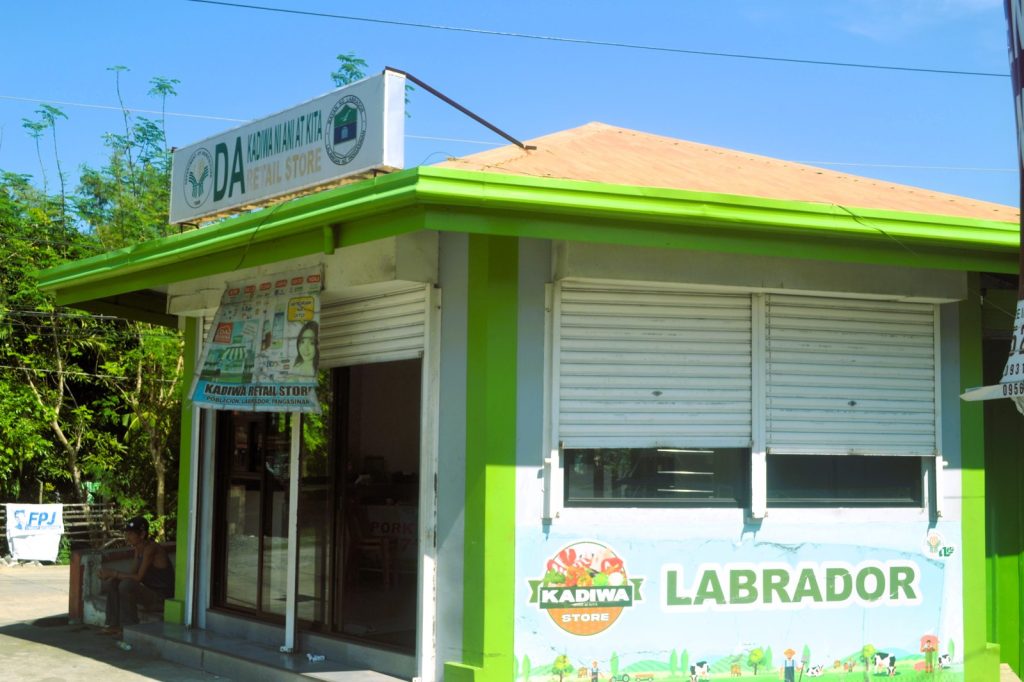
Close to 12,000 farmers, porters, packagers and truckers had been drawn into the Philippine government’s Kadiwa farm-to-consumer scheme by mid-April 2020, agriculture secretary William Dar said at a virtual conference, as AgFunder News reported on 15 April. The scheme had just been given a push to cope with the Covid-19 lockdown.
Kadiwa ni Ani at Kita was launched in September 2019 by the Department of Agriculture (DA), working with the Department of the Interior and Local Government and the state-owned Food Terminal Inc. Its aim is to link farmers, growers and fishermen straight to Filipino buyers so that low-income households can get cheap, fresh local produce. It revives a network of state-run Kadiwa stores that sold locally sourced groceries to poorer Filipinos in the 1980s.
Three new routes to the shopper
The lockdown made that job harder. Dar said the first stretch of restrictions brought hurdles in moving agricultural and fishery products, so the DA made adjustments “using simple and technological solutions” to keep fresh produce flowing to consumers, particularly in metropolitan areas.
Kadiwa Express uses private logistics and supply-chain partners to haul goods from rural food trading centers, where smallholders bring their produce, to drop-off points in cities. It also supplies associations, cooperatives and retailers that buy in bulk.
Kadiwa Online lets individual shoppers and retailers order through HomeGrown, a local e-commerce company that now lists Kadiwa products. Orders are delivered to the door, with a fixed delivery fee going to third-party drivers. Buyers can pay by bank transfer or cash on delivery.
Kadiwa On Wheels sells fresh meat and vegetables from trucks that tour different areas, adding to the physical stalls the system already runs.
What the farmers got
Dar said the program serves two groups at once. “We are happy that our Kadiwa program serves a double-edged purpose of reaching out to farmer-producers and other community workers, while providing access to fresh and affordable food to consumers,” he said. As an example, he said 5,568 farmers using one rural food trading center in Benguet province, around 400 km north of Manila, had directly benefited from selling through the updated program.
The wider backdrop is grim. A report by Food Industry Asia and PwC found that 28% of the Philippines’ population works in the food industry, which contributes 17% of GDP. Food businesses surveyed across Southeast Asia named supply disruptions, reduced consumer access and ability to pay, and limits on moving goods as their biggest problems.