
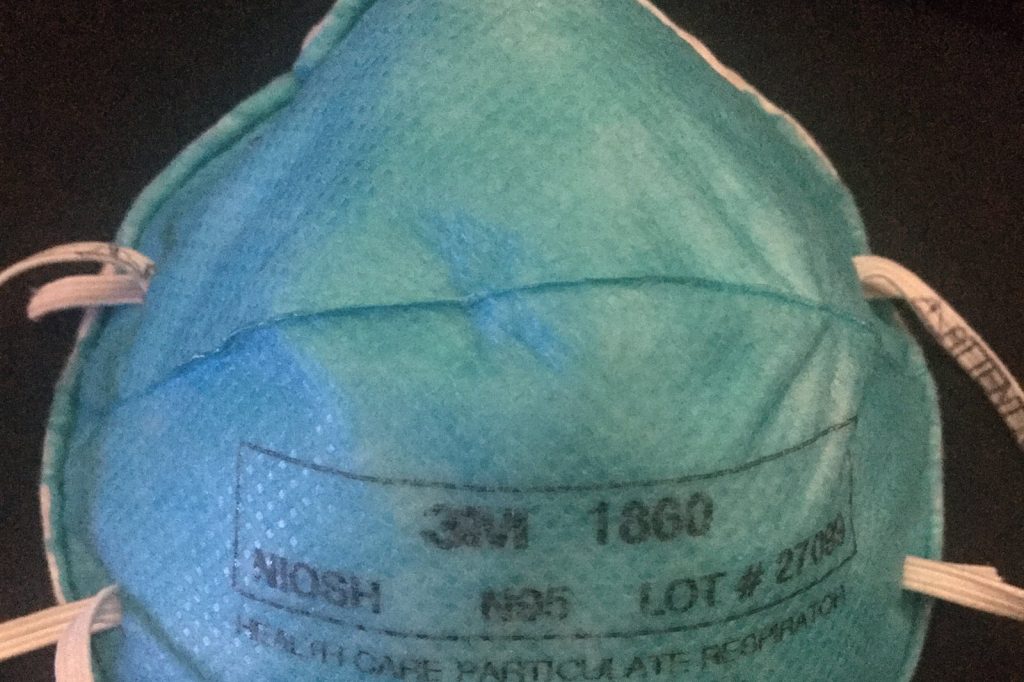
Counterfeit N95 Masks from China Threaten Frontline Staff During Pandemic
In early 2021 a hospital procurement officer, desperate for respiratory protection, clicked “buy” on an online advertisement promising NIOSH‑approved N95 masks. The package arrived labeled as certified, but inside lay a counterfeit piece of fabric that might filter nothing at all.
That mask was handed to a nurse who then entered a COVID‑19 ward, exposing both the wearer and patients to a hidden danger. This scenario illustrates the concrete harm caused by a wave of fraudulent protective equipment that Chinese authorities later acknowledged publicly.
Scale of the Seizure and Arrests
On April 9, 2021 the Chinese government faced mounting international criticism over the export of fake coronavirus gear. According to the Ministry of Public Security, officials confiscated more than 31 million substandard or counterfeit face masks in February alone.
That figure does not count the items that slipped through the net. In the same operation, 1,560 individuals suspected of manufacturing or distributing the bogus products were taken into custody. The crackdown focused on vendors who had exploited the pandemic through fraud and price gouging, but the enforcement actions came after many of the masks had already reached end users.
How the Counterfeits Reached the Market
Investigators discovered that followed thew thousands of Chinese‑made masks from online platforms after lab tests showed they lacked the required certification from health regulators. The deception was not limited to generic respirators; counterfeiters reproduced specific brand names.
Listings offered Valpro Ranger 821, Valpro Ranger 821V and N95 masks bearing falsified NIOSH approval labels. These are the very models that frontline workers rely on to stay safe.
Expert Reaction
Kerry Bowman, a Canadian bioethicist, characterized the promotion of counterfeit masks as “profoundly problematic.” His comment captures the ethical breach: sellers were marketing products that pretended to meet safety standards while offering little or no protection.
Context of Global PPE Shortage
At the time, COVID‑19 cases were climbing worldwide and the legitimate supply of personal protective equipment—masks, gloves, respirators, goggles, gowns—was severely depleted. The shortage created a vacuum that illegitimate manufacturers rushed to fill.
Rising demand generated a market, and wherever a market exists, some actors are willing to sell anything to meet it.
Why Fake Masks Are Especially Hazardous
A mask that does not filter particles is more dangerous than wearing no mask at all because it gives the wearer a false sense of security. A nurse who believes she is protected may undertake procedures or take risks she would otherwise avoid, increasing the chance of infection for herself and others.
Each counterfeit unit therefore represents a potential failure point in infection control.
Origin and International Response
The pandemic’s first cases emerged in China’s Hubei province. While the crisis demanded a ramp‑up of genuine protective output, some Chinese sellers chose to profit by flooding the market with fraudulent gear. International health and security agencies repeatedly warned buyers to exercise caution, yet distinguishing a real N95 from a fake without laboratory testing is practically impossible for most purchasers.
Uncertain Total Impact
The 31 million masks seized represent only the portion intercepted by authorities. The total volume of counterfeit PPE that actually reached hospitals, clinics, and ordinary citizens remains unknown.
Every one of those unseen masks is a hidden risk: if it fails, someone may become infected because their protection was illusory.
Aftermath and Lingering Concerns
Arrests and confiscations constitute a response, but they occurred after the counterfeiters had already shipped product, printed false labels, and collected payment. The central question now is not whether China can punish the offenders, but whether the global supply chain for personal protective equipment can ever be trusted again. For a doctor in a crowded hospital, a paramedic in an ambulance, or a nursing‑home worker caring for the elderly, trust is not an abstract concept—it is the difference between returning home healthy and inadvertently bringing the virus home.
Bottom Line
The pressure on China is not driven by politics; it stems from the stark arithmetic of a pandemic: one fraudulent mask, one exposed health‑care worker, and one additional chain of transmission that could have been avoided.




