Christopher Payne, an American citizen whose conviction for sexual assault was overturned in 2021, remains jailed in Japan with no retrial date set, a case that has drawn attention to the country’s practice of prolonged pre-charge detention, a practice critics term “hostage justice.”
The ‘Hostage Justice’ Phenomenon
Japan’s legal system allows for the detention of suspects without charge for periods far longer than in many other countries, a practice termed “hostage justice” by its critics. Suspects can be detained for up to 23 days without formal charges, and this period can be extended. The practice is criticized for violating international human rights standards.
How Pre-Charge Detention Works
The system permits authorities to hold individuals for interrogation before bringing them to trial. Even in cases where a conviction is overturned, individuals can remain in jail while awaiting a retrial. This has led to situations where individuals are effectively punished before their legal case is concluded.
Unique Challenges for Foreign Nationals
Foreign nationals in Japan often face significant language barriers and a lack of cultural understanding within the justice system. These challenges can impede their ability to mount an effective defence during the critical pre-charge detention period, making them particularly vulnerable to the prolonged detention practice.
Advocacy for Reform
Lawyers and human rights activists in Japan are advocating for changes to the pre-charge detention system. For all the noise surrounding high-profile cases, the salient point remains that the system has been slow to adopt reforms for the treatment of foreign detainees.
Impact on Individuals and Families
The impact of indefinite detention is severe. Payne’s case highlights the psychological and physical toll of prolonged detention. In an interview from jail, the 34-year-old described his situation as “purgatory.” When visited by CNN in late October, he was coughing up blood, losing his train of thought, and complained of severe headaches, so weak by the end of the meeting that he had to be taken away in a wheelchair. “I might not have much more fight in me,” he said.
Sources
- Japan
- He’s remained jailed in Japan despite an overturned conviction. His family in the US fears for his life | CNN
- After striking out on the top free agent (again), the Blue Jays turn to Japan | CBC Sports
- In Japan's Snow Country, Artisans Put Extreme Weather to Work
- Japan's Nikkei to rise next year but fall short of record as investors reassess AI trade: Reuters poll
- Japan to set standards for emergency portable toilets | NHK WORLD-JAPAN News
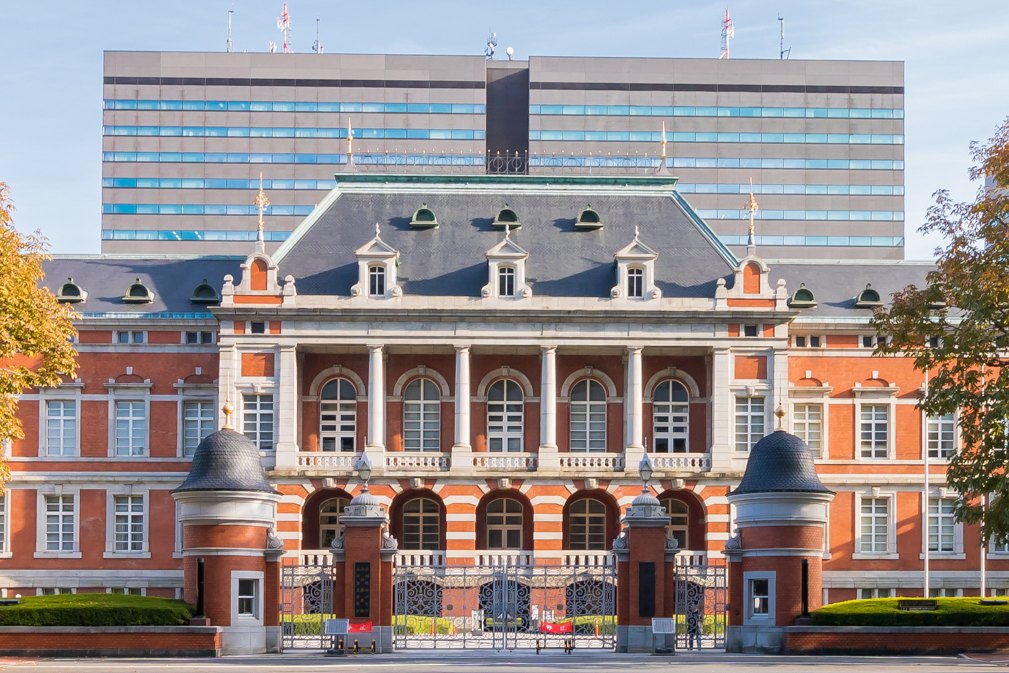
Photo: Kakidai (CC BY-SA 4.0)