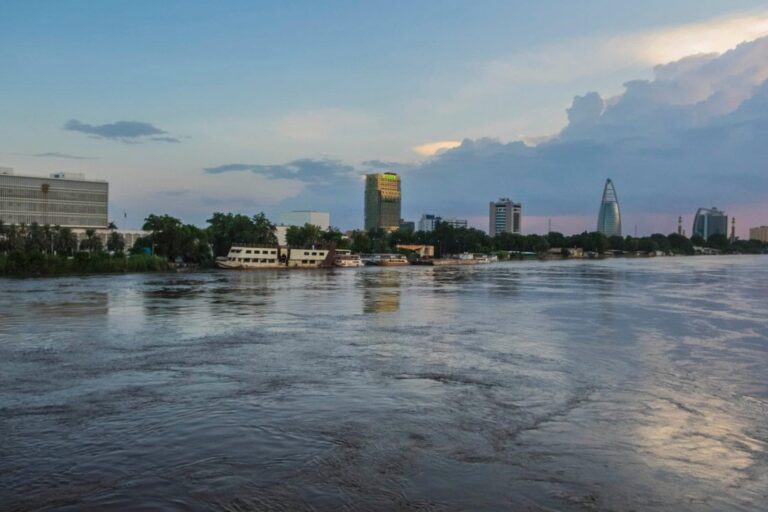
KHARTOUM, November 24, 2026 — Drone strikes damaged homes and United Nations premises in Sudan’s capital on November 22 while staff were inside, the UN humanitarian office OCHA reported. The attack underscores how aerial warfare is shrinking the space for aid operations even as civilians bear the brunt of a conflict that has displaced 8.6 million people since April 2023.
Drone warfare escalation and civilian toll
The UN Human Rights Office counted at least 2,230 civilians killed from January to October 2026, with more than 1,630 of those deaths caused by drones. That means roughly 73 percent of documented civilian fatalities in the first ten months of the year came from aerial strikes, a shift that has turned the skies over Khartoum, Kordofan and Darfur into a daily threat for families across the region.
Amnesty International investigated nine Rapid Support Forces (RSF) drone strikes in El Obeid, the capital of North Kordofan, between June and August 2026. Those attacks killed 37 civilians and injured 10. Three strikes hit residential areas. Four struck key civilian infrastructure, including El Obeid’s power plant, fuel stations and main market. Two targeted moving vehicles. In every case, witnesses said they saw or heard the drones moments before or after impact, and Amnesty found no identifiable military objectives near the sites at the time they were struck.
The RSF first launched drone attacks on El Obeid in October 2025 and dramatically escalated in June 2026 as it reportedly prepared a ground offensive on the city. “The RSF drone attacks we’ve documented must be investigated as war crimes,” said Agnès Callamard, Amnesty International’s Secretary General. “They indicate how the Sudan conflict is moving into a new phase where all parties are increasingly using drones and other advanced weapons not only to kill and injure civilians, but also to disrupt essential and lifesaving services.”
UN operations and humanitarian access constraints
The November 22 strikes on Khartoum hit UN premises while staff were inside, a direct hit on the humanitarian architecture meant to protect and assist ordinary people. OCHA confirmed the damage but did not report casualties among UN personnel. The incident follows a pattern where aid workers face growing threats just as needs deepen. About 8.6 million people have been displaced inside Sudan since the war began, according to UN figures cited by the Daily News Egypt, creating one of the world’s largest displacement and hunger emergencies.
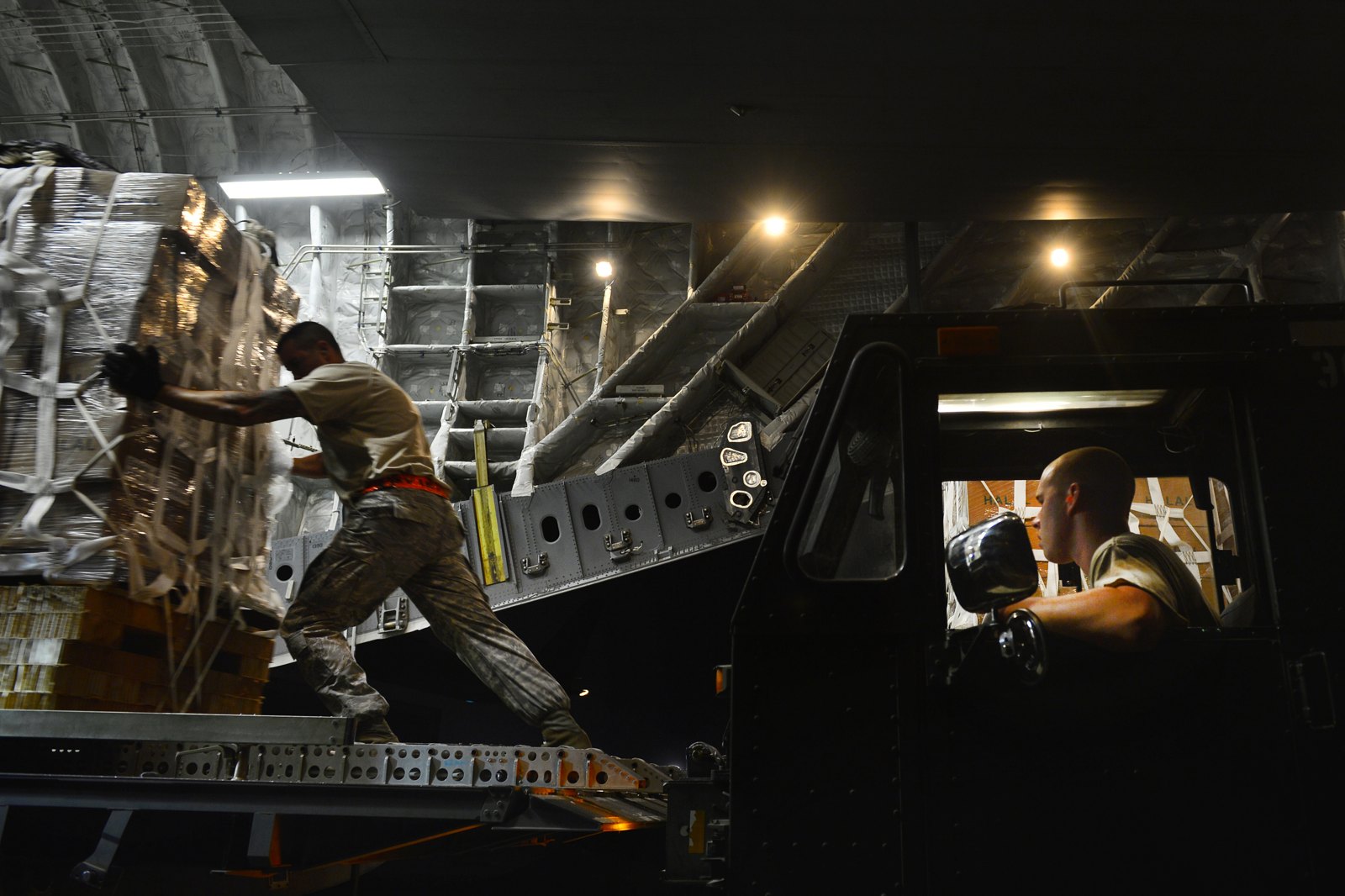
At a recent Security Council briefing, a UN official described the situation bluntly: “The picture is bleak… The parties continue to show no credible commitment to compromise or to pursuing a negotiated pause in fighting. They are not moving closer to dialogue.” That assessment reflects what aid groups see on the ground: shrinking access, disrupted supply lines, and a civilian population caught between front lines and the sky.
RSF drone campaign in El Obeid and Kordofan
El Obeid remains under the control of the Sudanese Armed Forces (SAF) and allied forces. The RSF’s drone campaign there has not only killed civilians but severed lifelines. Strikes on the power plant, fuel stations and main market have disrupted electricity, transport and food access for communities already stretched thin. Amnesty International has previously documented that the United Arab Emirates supplied weapons, ammunition, armoured personnel carriers and drones to the RSF, including Chinese-made Wing Loong II and FeiHong-95 models. “This is a war on civilians which is being sustained by third parties including the UAE, the primary backer of the RSF,” Callamard said.
The main front of the war has moved west to Kordofan. Since early November, the army and allied forces have retaken more than 30 villages and towns in North and West Kordofan, according to ACLED data cited by The National. The army captured Al Khuway and by November 17 was about 60 kilometres from En Nahud, the RSF’s main base in West Kordofan. The RSF still holds between 85 and 90 percent of West Kordofan, according to a territorial control analysis by Sudans Post. Fighting around Abu Zabad has displaced thousands more.
SAF advances and shifting front lines
Sudan’s army, led by General Abdel Fattah al-Burhan, chairs the Transitional Sovereignty Council, the country’s ruling body. The government, based in Port Sudan, is headed by Prime Minister Kamil Idris, appointed in May 2025. In October 2026, Burhan ruled out negotiations and said the army would fight until it defeated the RSF across Darfur, Kordofan and Blue Nile.
Army sources told the Egyptian daily Youm7 that the military was preparing to “open the Darfur fronts.” The RSF militia holds most of Darfur, including El Fasher since October 2025, and runs a self-declared parallel administration from Nyala. In the south-east, the RSF says it has taken several areas in Bau locality of Blue Nile state, claims the army has not confirmed, while the army has sent reinforcements toward Ed Damazin. Long-range drones are now a feature of the war on both sides. An army source blamed the November 22 Khartoum strikes on launches from Ethiopia, which denies the accusation, France 24 reported.
International pressure and terror designations
Washington has layered sanctions in a bid to raise the cost of continued conflict. The United States designated the Sudanese Muslim Brotherhood a Foreign Terrorist Organisation effective March 16, 2026. The Islamic Movement and the al-Baraa bin Malik Brigade are also named in the listing. All three fight alongside the Sudanese army.
The al-Baraa bin Malik Brigade was already under US sanctions. In September 2025, the US Treasury accused its members of arbitrary detentions, torture and summary executions, and said the group had received training and weapons from Iran’s Islamic Revolutionary Guard Corps. A brigade commander denied extrajudicial killings, telling Reuters its fighters joined the war to confront the RSF, not to bring Islamists back to power. Rights advocates argue that fighters operating alongside regular forces remain the army’s responsibility, and that abuses attributed to them should be investigated.
The army leadership also faces separate US measures over alleged chemical weapons use. In May 2025, the State Department formally determined that Sudan’s government used chemical weapons in 2024 during its war with the RSF. The New York Times reported, citing four senior US officials, that the army used chlorine at least twice in remote areas with direct approval from General Burhan. Sudan’s army-aligned government has rejected the allegations as baseless and described them as political blackmail.
Ceasefire prospects amid financial collapse
Repeated truce plans from the US, Saudi Arabia, the UAE and Egypt have not been put into effect. Sudan’s government rules out talks unless the RSF disarms. Yet pressure for a ceasefire is building from within. International flights now arrive regularly at Khartoum airport from Cairo, Riyadh and Doha, carrying Sudanese looking to restart lives the war put on hold and businessmen sensing a ceasefire on the horizon.
At a leading business hotel in Khartoum, the lobby has buzzed with British, Swiss and Saudi groups closing deals on mining, commodity trading and reconstruction. But the economy is in freefall. The Sudanese pound fell to a record low of 9,000 to the US dollar during a recent reporting week, compared with a pre-war average of 600. The rate now exceeds 10,000. Petrol queues stretch for blocks. Many of the more than 2 million returnees to Khartoum struggle to buy groceries and keep the lights on. Farmers can no longer afford fertiliser, leaving much of the country’s most productive cropland fallow.
A senior official acknowledged privately that the war economy, which enabled the army to procure weapons and turn the tide, is now the greatest threat to the state’s survival. Financial collapse, military advances and humanitarian catastrophe are creating pressure for a ceasefire before the war’s fourth anniversary in April 2027. For communities, families across the region, what it means for people is that the next few months may decide whether the drones keep falling or whether the skies finally clear.
Sources
- Sudan
- Sudan: Devastating RSF drone strikes on civilians in El Obeid should be investigated as war crimes
- Sudan’s war will end, but will it be too late?
- Uganda, South Sudan intensify efforts to keep Ebola out amid burgeoning DR Congo outbreak
- Sudan war explained: 8.6mn displaced in deepening crisis
- US Terror Designation Raises The Cost Of Burhan’s Islamist Alliance
Photo: Evon2023 (CC BY-SA 4.0)