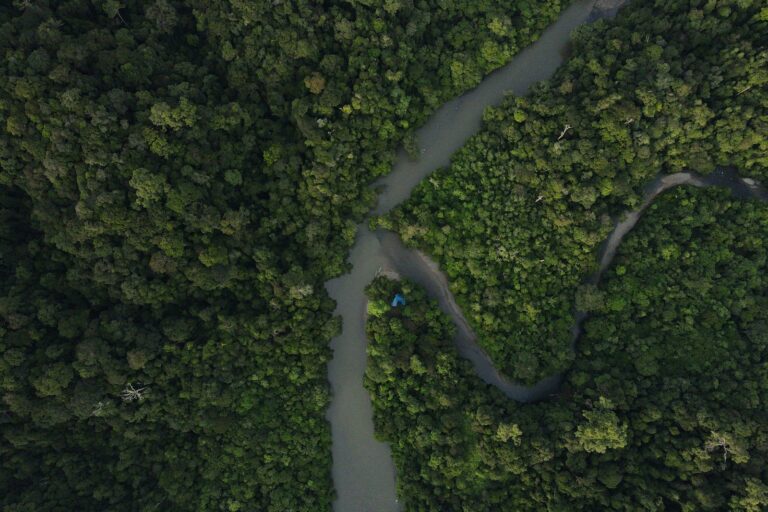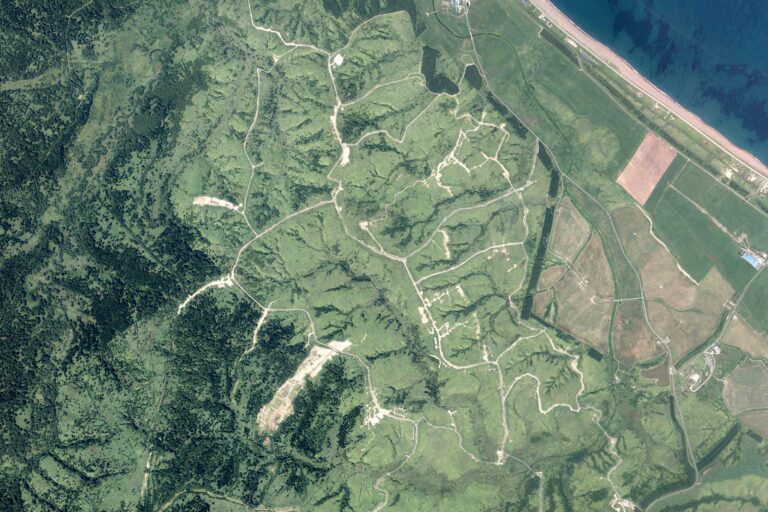
JAKARTA, November 23, 2026 — Indonesia is moving ahead with a plan to convert more than 12 million hectares of degraded land into food and biofuel farms. President Prabowo Subianto’s brother, Hashim Djojohadikusumo, unveiled the strategy at the UN climate summit in Antalya on November 12.
A Plan Built on Degraded Land
The administration frames the proposal as a way to achieve food self-sufficiency for 290 million people while cutting dependence on imported energy. Hashim, who serves as special envoy for climate and energy, told the COP31 gathering that the government would not expand agriculture into primary forests. Instead, it would target damaged or degraded forests — land the government estimates at 12.7 million hectares. The plan also underpins the country’s push for higher biodiesel blends, moving from the current B50 mandate toward a B100 standard powered entirely by palm oil.
On paper, the logic is straightforward. Indonesia has vast tracts of land scarred by fires, floods, logging and unsustainable farming. Using those areas for new plantations avoids clearing pristine forest. But for communities across the region who have watched similar promises before, the details of soil, water and oversight matter more than the headlines.
Echoes of the Mega Rice Project
The shadow of the 1990s Mega Rice Project in Central Kalimantan hangs over the new initiative. That project drained peatlands through a network of canals to plant rice on a massive scale. The drained peat dried out, became highly flammable, and eventually burned across millions of hectares. The ecological and human toll was severe, and the rice yields never materialised as planned.
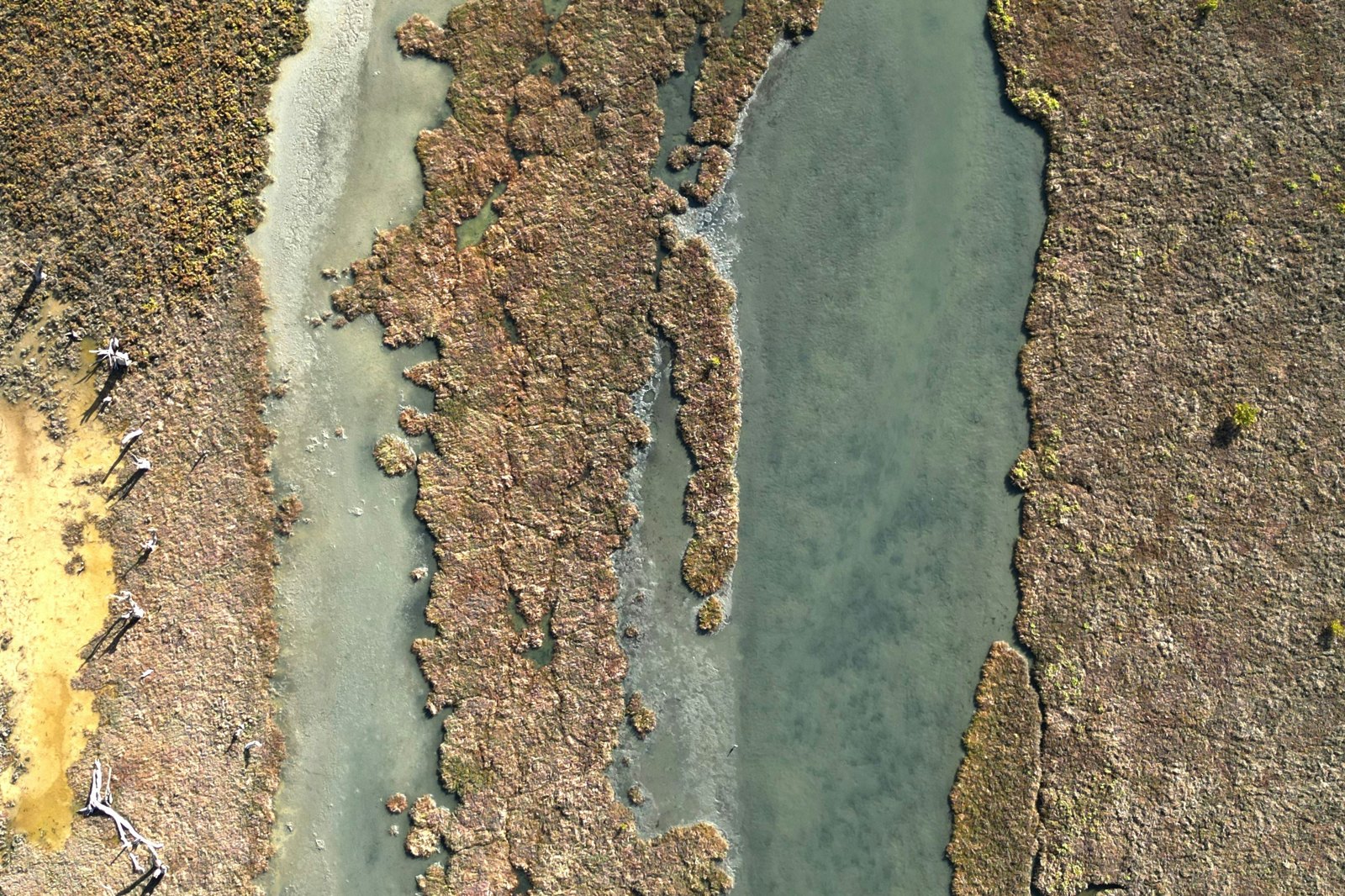
Experts warn the same vulnerabilities exist today. Peat soils that have been drained and burned are expensive to rehabilitate and often unsuitable for sustained agriculture without constant water management. Conservationists also ask a practical question: who defines “degraded” land, and who monitors the borders once conversion begins? Past pledges to limit clearing have collided with commodity markets, local politics and shifting enforcement on the ground.
Fire Season Shows the Stakes
The 2026 fire season offered a sharp reminder of what is at risk. By August 18, Forestry Minister Raja Juli Antoni reported 202,000 hectares burned across the archipelago. Satellite data from Nusantara Atlas showed the figure doubling to 1.92 million hectares by the end of September. The fires killed 1,700 people in August alone and triggered more than 283,000 acute respiratory infections between August 18 and October 13, according to ministry data cited by Reuters. Haze spread to neighbouring countries.
Priority provinces for fire response — Riau, Jambi, South Sumatra, West Kalimantan, Central Kalimantan and South Kalimantan — overlap heavily with the peat-rich lowlands likely targeted for conversion. Researchers studying peatland restoration in West and Central Kalimantan found that blocking drainage canals and rewetting peat can reduce fire risk, but that work is slow, costly and requires long-term maintenance.
What It Means for Families Across the Region
For ordinary people in Sumatra and Kalimantan, the plan is not abstract. The same canals that drain peat for plantations also drain the water tables that communities rely on. When fires come, the smoke closes schools, overwhelms clinics and forces families indoors for weeks. The 2026 season saw that cycle repeat at a scale not seen in years.
Leonardo DiCaprio praised Indonesia’s stated shift away from forest clearing for rice expansion in 2016 and again in late 2026. But as analysts have noted, a celebrity endorsement does not rewrite local permits, stop a bulldozer in Papua or guarantee that degraded land stays degraded on the map. Forest loss jumped 66 percent in 2025 to 433,751 hectares, the highest in eight years, according to analysis by Indonesian NGO Auriga Nusantara covered by Rainforest Foundation Norway.
The Test Ahead
The government says it will prioritise ecological restoration for fire-damaged peatlands and flood-prone watersheds rather than convert them. But the line between restoration and conversion remains thin. The B50 biodiesel mandate took effect on July 1, locking in demand for palm oil feedstock. The administration’s next moves — how it maps degraded land, how it funds canal blocking, and how it enforces boundaries — will determine whether this food estate becomes a reliable source of food and energy or a repeat of a failure that communities across the region still live with.
Sources
- Can Indonesia turn over 12 million hectares of degraded land into food and biofuel farms?
- 2026 Indonesia wildfires
- What Most People Miss About Indonesia Forest Protection And â Geosirius
- 24 Body Bags Recovered After Indonesia Candy Factory Fire
- Monday TV: Amy Poehler, Hugh Laurie in ‘Dig’ – TV EYE
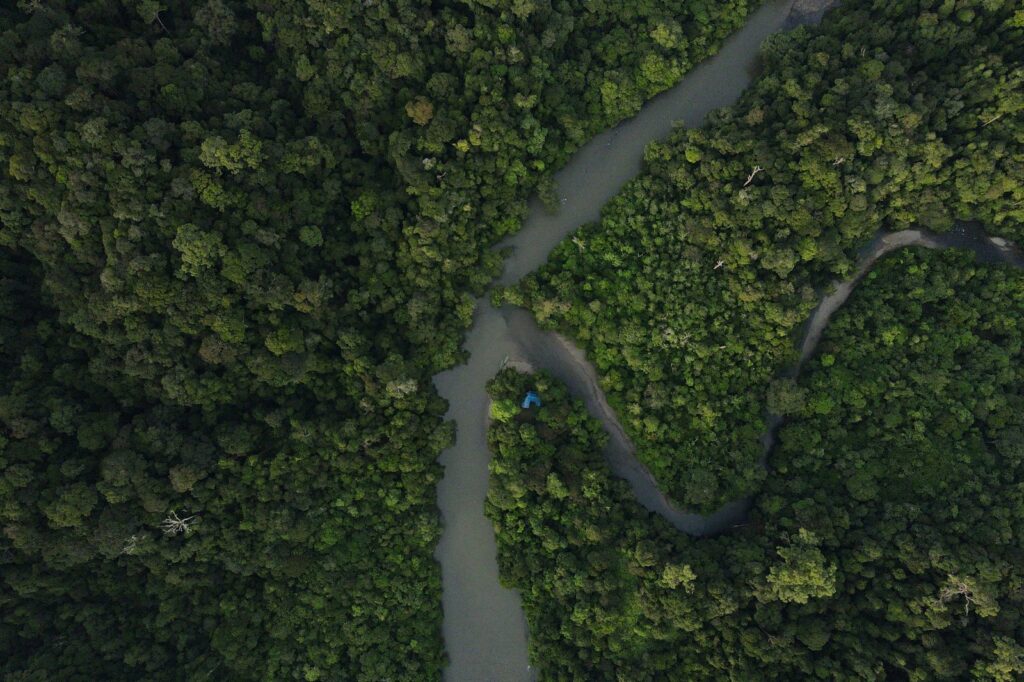
Photo: Yosafat Gusti / Unsplash (Unsplash License)