Japan’s Yamanashi Prefecture is bracing for a new wave of unsanctioned winter ascents on Mount Fuji after the family of a missing Chinese hiker offered a 500,000 yuan ($75,000) reward for his recovery, prompting the Chinese embassy to warn its citizens against climbing the closed mountain.
The Immediate Crisis
Chen Jie, a 25-year-old member of China’s Blue Sky Rescue Team, vanished on November 8 on the Yoshida Trail after his two companions turned back due to deteriorating weather and inadequate equipment, according to Yamanashi Prefectural Police. Chen continued alone without crampons or sufficient cold-weather gear, sending a final video message from between 2,300 and 2,700 meters. The official search was called off on November 19 after ten days, hampered by blizzards and high winds.
Yamanashi Governor Kotaro Nagasaki warned on Wednesday that further attempts to locate Chen could trigger “secondary disasters,” appealing to the family to “refrain from doing anything that could endanger others,” according to the Mainichi Shimbun. The Chinese embassy in Japan echoed the caution, noting that shelters and first-aid centres are shuttered during the closed season and summit temperatures can plunge to -14°C in November.
Regulatory Response
The prefecture had already moved to tighten controls before this incident. Starting next year, off-season climbers will be required to submit detailed climbing plans, and those requiring helicopter rescue without a filed plan will be billed for the operation, Kyodo News reported. Authorities hope the measures force hikers to “rethink what climbing Mount Fuji during the winter is like,” Nagasaki said last month.
Six people died on the mountain during the official summer season this year, which runs from early July to early September, underscoring the risks even when support infrastructure is fully operational.
Cultural Weight and Tourist Pressure
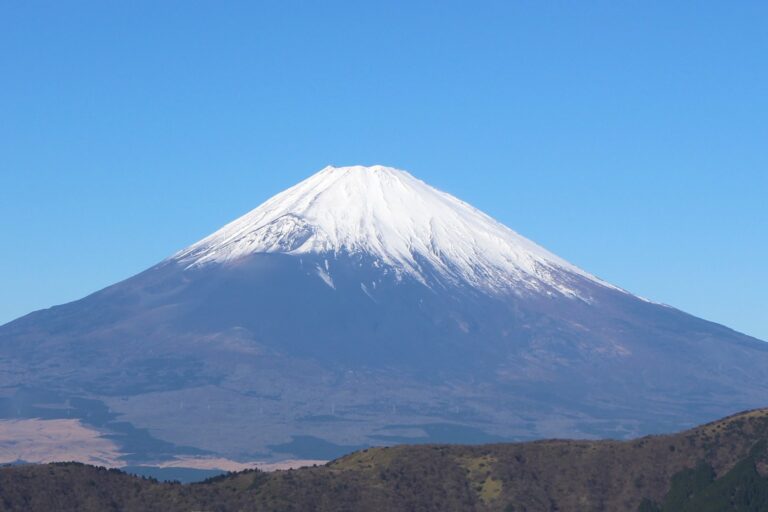
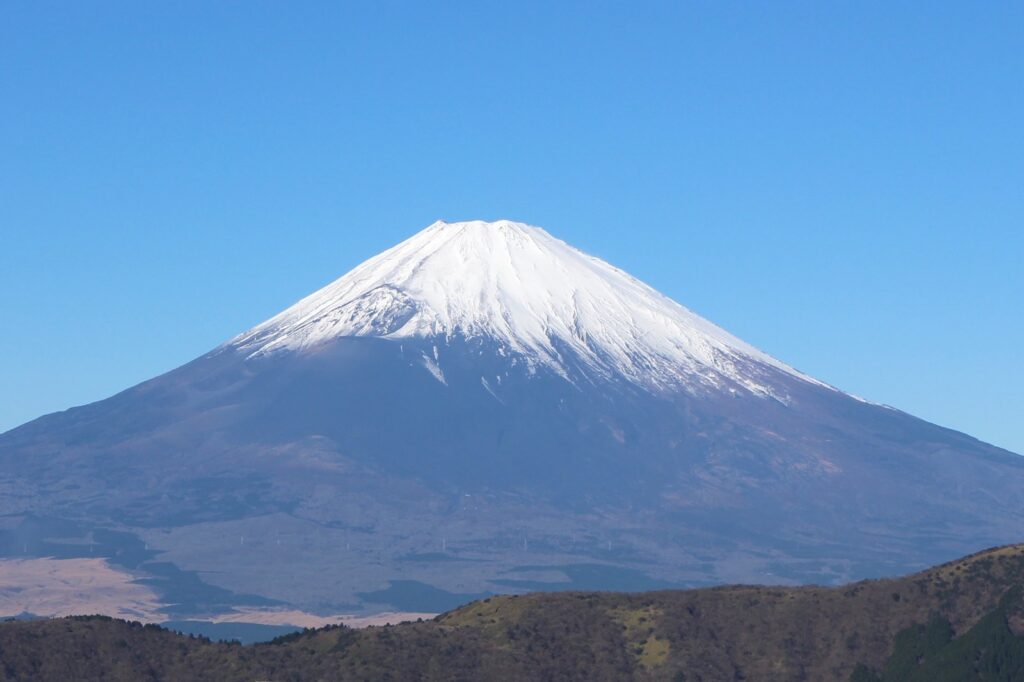
Mount Fuji is not merely a peak; it is a UNESCO World Heritage Site and one of Japan’s “Three Holy Mountains,” historically an object of pilgrimage rather than recreation. The 3,776-meter stratovolcano draws hundreds of thousands of summer climbers, but the off-season transforms it into an alpine environment requiring technical mountaineering skills.
Social media users in Japan have voiced fears that the reward will entice ill-prepared individuals into lethal conditions, treating a sacred site as a stage for opportunistic rescue attempts. The tension reflects a broader friction: the mountain’s status as a global tourist magnet clashes with its physical reality and cultural significance.
What Comes Next
The new planning and fee rules take effect for the 2027 winter season. Chen’s father, who arrived in Japan on November 13, has not indicated whether the reward offer will be withdrawn.
Sources
- China urges Climbers not to scale Mt Fuji to find missing hiker
- Mount Fuji
- Family Offers $75,000 Reward to Save Climber Missing on Mount Fuji » Explorersweb
- NEWS: Search Called off for Missing Man on Mount Fuji
- Mount Fuji: China issues warning as family of missing climber offers reward
- [Shizuoka/Yamanashi] From Mt. Kenashi to Mt. Goshu | A 22.5km traverse from Asagiri to Minobu with views of Mt. Fuji|HiRO|稜線を歩く
Photo: Suicasmo (CC BY-SA 4.0)