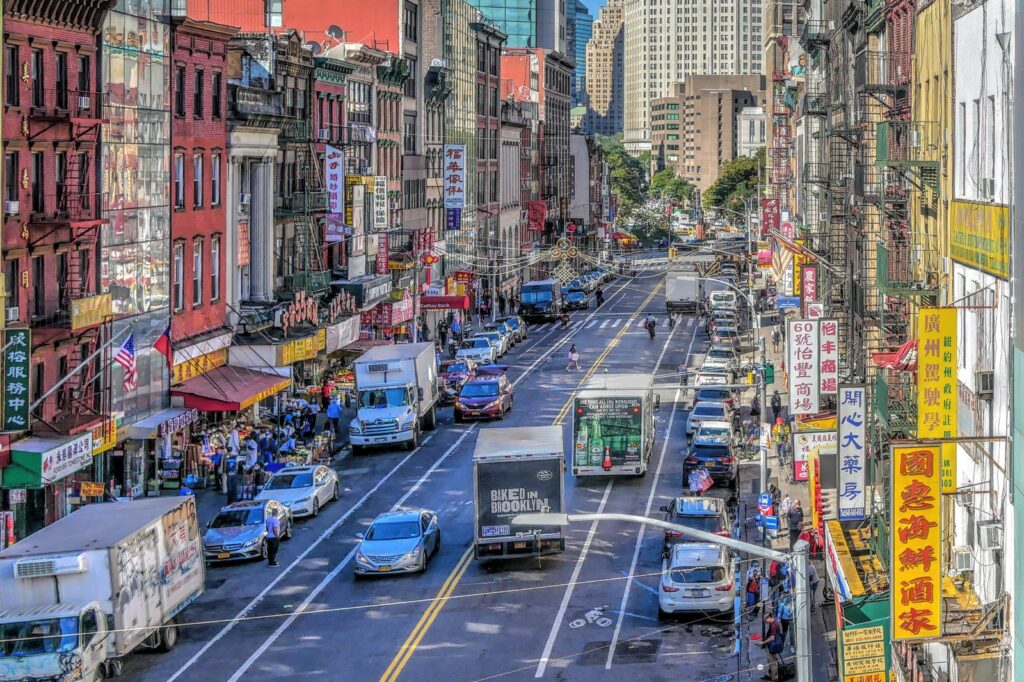
As urban development and gentrification threaten historic Chinatowns, community leaders are working to protect the heritage of these traditional enclaves, including preserving Chinese-Canadian cuisine that is at risk of disappearing. The National Trust of Canada identifies Chinatowns as sites where history and culture are at risk due to urban development pressures, with expensive real estate, land grabbing, and commercial rent hikes driving out legacy businesses and displacing traditional communities.
Historical Origins And Evolution
Chinatowns are ethnic enclaves of Chinese people located in urban areas outside of China, with roots dating back to the 10th century. The world’s oldest standing Chinatown is Binondo in Manila, established in 1594. These neighborhoods have long served as vital social hubs where elders and younger generations connect, preserving history through oral tradition and community spaces. On the ground, residents describe the importance of Chinatowns as a connection to their cultural heritage.
Culinary Preservation Efforts
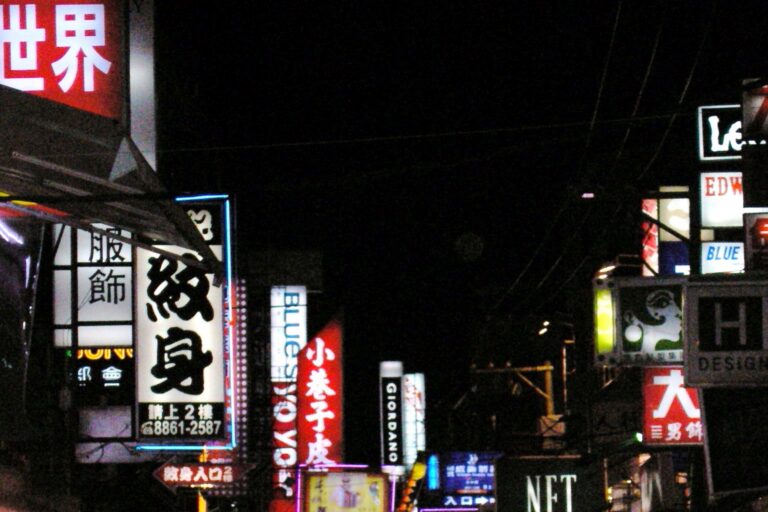
To preserve their culinary heritage, chefs and community organizers are working to teach traditional recipes and document Chinese-Canadian food history. Community-sourced cookbooks, such as ‘More Flavours of Home,’ help highlight and archive traditional Chinese recipes. For example, Joyce Leung, founder of the Hamilton Chinese Association, has shared her recipe for a Lunar New Year dumpling, which represents good wealth for the upcoming year. By nightfall, the streets of Chinatowns come alive with the smells and sounds of traditional cooking, a sensory experience that is being preserved through these community-led initiatives.
The Role Of Cultural Hubs
Chinatowns serve as cultural hubs, bringing people together and preserving social identity. The scene in these neighborhoods is one of vibrant cultural activity, with events like the CID Block Party showcasing the community’s heritage. As Sue Ann Kay, a third-generation Chinese American, notes, these events are essential for passing down traditions and cultural knowledge to younger generations. The people you meet in Chinatown, from business owners to community organizers, are all working to preserve the heritage of these historic enclaves.
Future Outlook
Despite the challenges posed by urban development and gentrification, there are efforts underway to integrate Chinatowns more deeply into modern city landscapes. For example, mayoral hopeful Susana Mendoza has proposed extending the Chicago Riverwalk to Chinatown and Little Village, a project that could help revitalize these neighborhoods and preserve their cultural heritage. By the end of the month, business owners in Seattle’s Chinatown-International District will have filed claims against Seattle City Light for losses and damages caused by a recent power outage, a step towards addressing the infrastructure challenges facing these neighborhoods. As Trevor Lui, chef and co-founder of Quell agency, notes, many Chinatowns are facing increasing pressures, but community-led initiatives are helping to preserve their heritage.
Sources
- Chinese-Canadian cuisine at risk of disappearing with loss of traditional Chinatowns – KelownaNow
- Chinatown
- The People You Meet in Chinatown – The Stranger
- Chinatown-International District Business Owners File Claims Against Seattle City Light
- Mayoral hopeful Mendoza discusses "one of my dreams," extending the riverwalk to Chinatown and Little Village – Streetsblog Chicago
- Seattle man gets 2 years for distributing drugs in homeless encampments, CID area
Photo: joiseyshowaa (CC BY-SA 2.0)