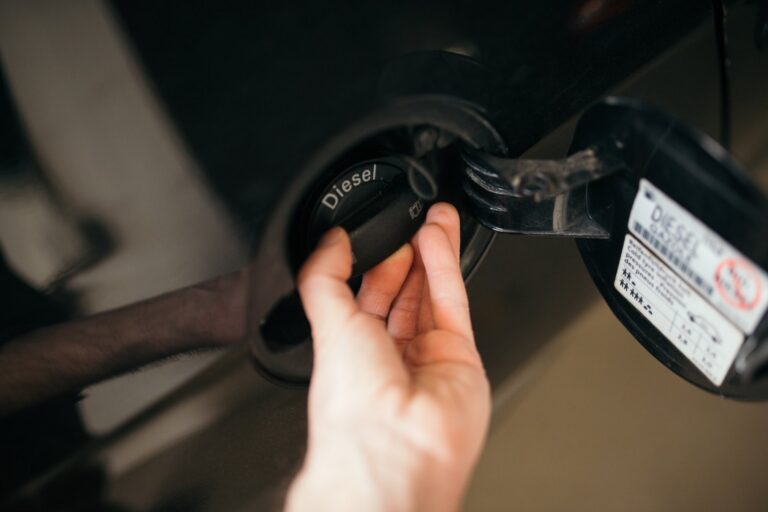
$7.2919 a gallon. That was the price of diesel in Hawaii on October 23, 2026, the highest the islands have ever recorded. A year earlier it was more than $2 lower, a jump of nearly 40 percent. For the longline fleet working out of Honolulu Harbor, the war in Iran now shows up on every fuel receipt.
What a gallon costs a fishing boat
Fuel is the biggest single expense for Hawaii’s fleet, up to half the cost of any given trip. The National Oceanic and Atmospheric Administration, which manages the tuna fishery, found that in 2023, the last year it analyzed, 29 cents of every dollar the fleet earned went to fuel. Profits were already at an “all-time low” in 2022. Prices have only climbed since.
The boats burn “red diesel,” the dyed, untaxed fuel sold for farm and off-road equipment. It is chemically the same as the regular product, and the tax exemption makes it cheaper, but it moves with the market. When regular diesel rises, red diesel rises by about the same amount.
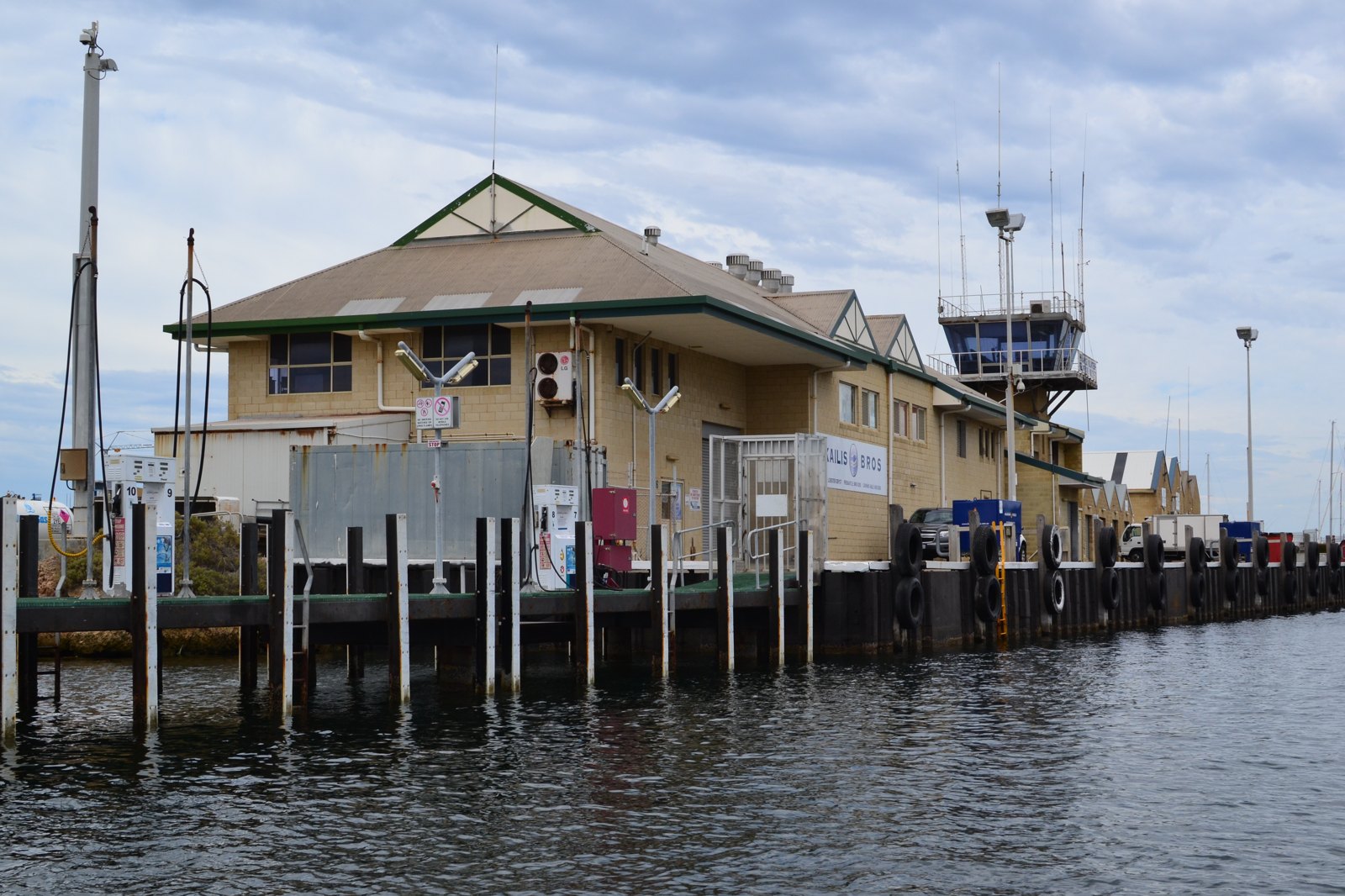
Do the arithmetic. Over the past three years the fleet has averaged about 1,600 trips a year, chasing swordfish and tuna, and each trip takes roughly 4,000 gallons. An extra $2 and change per gallon adds more than $13 million a year, or over $1 million a month if prices hold.
The fishermen cannot pass any of it on. Fish in Hawaii sells at auction, so the price is set by buyers. That leaves two bad options: pay fees to sit at the dock and wait for diesel to fall, or head out and risk landing too little fish to cover the fuel.
The strait at the root of it
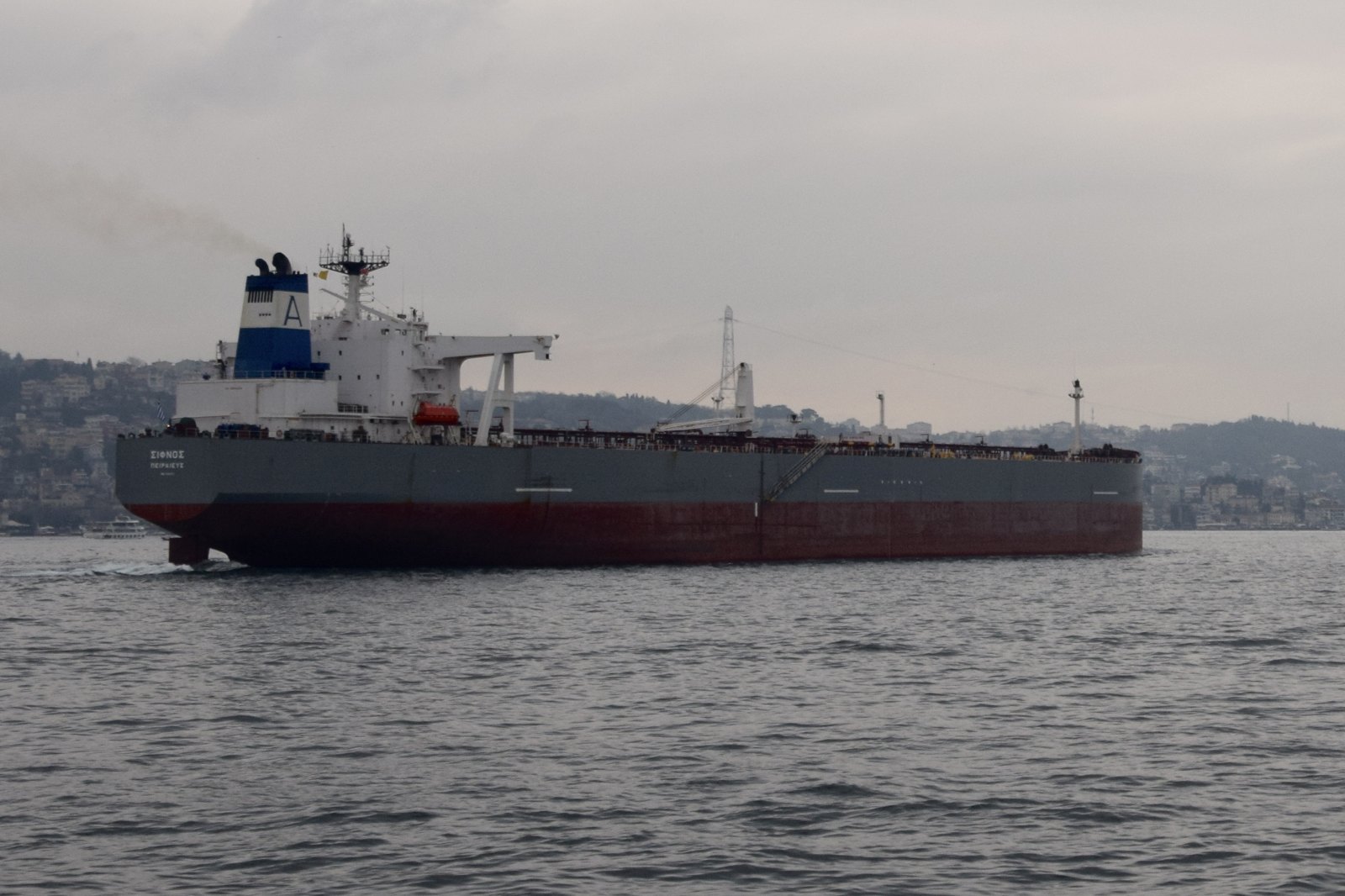
The cause sits on the other side of the world. Iran answered the American and Israeli campaign by attacking ships and laying mines in the Strait of Hormuz, the channel through which about 25 percent of the world’s maritime oil trade and 19 percent of its liquefied natural gas moved in 2025. Traffic has been sharply reduced, and a U.S. Navy blockade of the waterway added to the shock. The International Energy Agency calls the war a significant driver of higher fuel prices at home, and Iranian strikes have damaged or destroyed dozens of refineries in Gulf states.
None of this was a surprise. Damage to oil routes through the strait had long been predicted if the U.S. attacked Tehran, even by people inside the Trump administration.
Tensions are not easing. Iran’s armed forces chief of staff, Ali Abdollahi, said U.S. warships would not be allowed into the Persian Gulf “under any circumstances,” and Director of National Intelligence Jay Clayton warned that Iran has “substantially increased efforts to target U.S. personnel” abroad. Secretary of State Marco Rubio, speaking in Atlanta while hosting G20 foreign ministers, said President Trump has not decided on fresh strikes and that Washington still prefers diplomacy.
Prices at the ballot box
Voters go to the polls on November 3 to fill 435 House seats and a third of the Senate. Affordability is the issue most on their minds. A Chicago Council on Global Affairs survey found inflation is a primary driver of voting decisions across party lines. The Bureau of Labor Statistics reported prices up 0.6 percent in September, for an annual rate of 3.7 percent, with gasoline accounting for more than half of the increase. The U.S. Energy Information Administration puts the national gas average back above $4 a gallon.

Elliott Abrams of the Council on Foreign Relations said voters have little appetite for more Middle East wars and have started to feel a “direct and immediate” economic effect. Whether a new Congress could do anything about it is another matter. Lawmakers could plausibly reclaim control over tariffs. The Iran war is harder, since it is unclear how Washington gets out of the standoff over Hormuz, no matter who holds the majority.
Talks in Tehran
Diplomats are moving anyway. On Monday, Saudi Defence Minister Khalid bin Salman, Pakistani army chief General Asim Munir and Turkish intelligence chief Ibrahim Kalin were due in Tehran for talks on regional security, Ali Bagheri Kani of Iran’s Supreme National Security Council said. Saudi official Rayed Krimly described the trip as part of efforts toward de-escalation that back mediation by Qatar and Pakistan. Iran’s foreign minister, Abbas Araghchi, said a renewed war would not change Iran’s positions.
Meanwhile the Houthis, backed by Iran, keep firing on Saudi Arabia. The Saudi-led coalition said it shot down a ballistic missile aimed at Riyadh after the group claimed a fresh attack on the airport. Earlier strikes had shut the airport for more than two weeks and pushed the kingdom’s flagship investment conference to 2027.
Sources
- West Asia war: Trump yet to decide on resuming military strikes against Iran, says Rubio – BusinessToday
- The Trump Administration’s War in Iran Is Harming Fishermen in Hawaii and Across the Country
- Can a New Congress Compel Trump to End the Iran War?
- How War, Tariffs, and Other Foreign Policy Issues Could Affect the U.S. Midterms | Council on Foreign Relations
- Trump’s foreign policy, from Ukraine to Iran, raised fears of world war three. Americans are about to have their say
- Trump says he's weighing deal with Iran against action to "finish them off"
Photo: Shixart1985 (CC BY 2.0)