
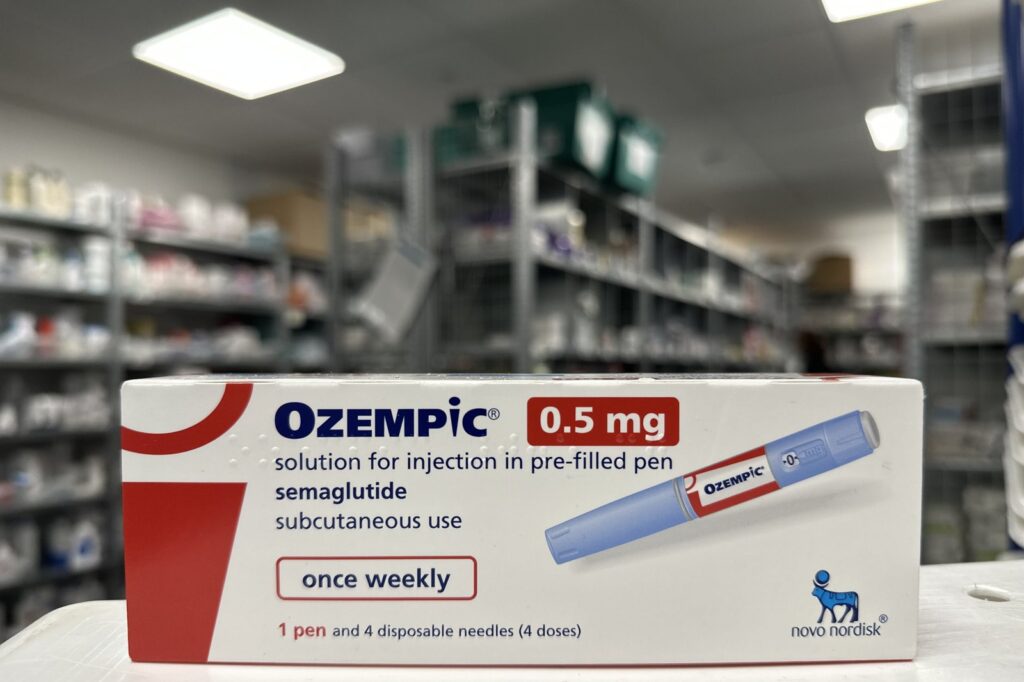
Semaglutide is approved for weight management under the brand name Wegovy and for diabetes as Ozempic and Rybelsus according to S1. It is a GLP-1 receptor agonist used for type 2 diabetes and obesity treatment according to S1. In 2023, semaglutide was the nineteenth most prescribed medication in the U.S. with over 25 million prescriptions according to S1. Semaglutide is sold as a generic drug by several companies in Indian and Canadian markets according to S1.
Rising Demand for Weight-Loss Drugs
Oral semaglutide received FDA approval in December 2025 for chronic weight management according to S2. Among nearly 48 million eligible U.S. adults, 148,792 initiated oral semaglutide between December 2025 and March 2026 according to S2. Oral semaglutide uptake peaked at 4.56 new users per 10,000 eligible adults by week 10 after approval according to S2. More than half (53.0%) of oral semaglutide initiators had no prior GLP-1 receptor agonist use according to S2.
Supply Chain Gaps Limiting Access
The surge in demand has outpaced the supply of approved semaglutide products, creating gaps that unapproved versions from Asia are filling. While the sources do not provide specific data on supply shortages or illegal trade volumes, the combination of high demand and limited access to approved drugs drives consumers to seek alternatives through online channels.
Role of Online Sales in Distributing Unapproved Products
Online sales channels have become a key route for distributing unapproved semaglutide variants originating in India, Japan, and China. These platforms enable direct-to-consumer sales that bypass regulatory oversight, allowing products to reach markets in the U.S. and Southeast Asia despite lacking approval for sale in those regions.
Health Risks Associated with Unregulated Semaglutide Use
Unapproved semaglutide products may vary in potency, purity, and formulation, posing risks such as incorrect dosing, contamination, or lack of sterility. The most common side effects of semaglutide include nausea, vomiting, diarrhea, abdominal pain, and constipation according to S1. Without medical supervision, users face increased risk of adverse events, especially when product quality cannot be verified.
Regulatory Challenges in Curbing the Illegal Trade
Regulatory agencies face difficulties in monitoring and intercepting illegal semaglutide shipments due to the volume of online transactions and the ease of mislabeling or disguising shipments. Efforts to curb the trade require international coordination, as the products originate in multiple Asian countries and target consumers across North America and Southeast Asia.
Manufacturing And Quality Control Variations
In India, Japan, and China, the manufacturing of semaglutide variants can vary significantly in terms of quality control and adherence to regulatory standards. According to the source material, semaglutide is sold as a generic drug by several companies in the Indian and Canadian markets, which may lead to differences in formulation, potency, and purity.
The lack of stringent quality control measures in some Asian countries can result in unapproved semaglutide products that do not meet the standards of approved medications. This can pose significant health risks to consumers, including incorrect dosing, contamination, or lack of sterility.
Furthermore, the ease of online sales and direct-to-consumer distribution can make it difficult to track and monitor the quality of semaglutide products being sold, exacerbating the risks associated with unregulated use.
Potential Cognitive Benefits Beyond Weight Management
Semaglutide may offer additional health benefits beyond weight loss and diabetes control, including a reduced risk of Alzheimer’s disease. A study of 1 million Americans with type 2 diabetes found that semaglutide users had a 40%–70% lower risk of a first Alzheimer’s diagnosis compared to those taking other diabetes medications, according to S3. The research, led by Rong Xu of Case Western Reserve University, highlights an association between semaglutide use and lower incidence of Alzheimer’s, though causation has not been established and further study is needed.
This potential neuroprotective effect could influence patient and prescriber interest in semaglutide, even as regulatory scrutiny increases around unapproved versions. While the article focuses on supply gaps and illegal trade driven by obesity treatment demand, emerging evidence of cognitive benefits may contribute to sustained or growing interest in the drug across broader patient populations.
Regulatory Approval Timeline and Global Availability
Semaglutide received initial approval for medical use in the United States in 2017 for diabetes treatment, followed by approvals in Canada, the European Union, and Japan in 2018, and in Australia in 2019 according to S1. The drug was later authorized for weight management under the brand name Wegovy, with indications expanding to include adolescents aged twelve and older with obesity in the EU and specific liver disease treatments under the name Kayshild for metabolic dysfunction-associated steatohepatitis. These staggered approvals reflect varying regulatory processes across regions, influencing global availability and contributing to disparities in access that may drive demand for unapproved sources.
Despite widespread approval in high-income countries, semaglutide remains unavailable or restricted in many low- and middle-income nations, creating opportunities for illicit trade. The medication is sold as a generic by multiple manufacturers in Indian and Canadian markets, as noted in S1, which allows for lower-cost versions but also increases the risk of diversion into unregulated channels. This generic availability, while beneficial for affordability in regulated markets, complicates efforts to distinguish between legitimate and illicit supply chains, particularly when products are mislabeled or shipped via online platforms.
The divergence in approval timelines and indications across jurisdictions has led to inconsistent patient access, with some countries approving semaglutide for broader uses such as cardiovascular risk reduction or liver disease, while others limit it to diabetes or obesity treatment. These differences can affect prescribing practices and patient expectations, potentially increasing interest in the drug beyond its approved uses in certain regions. As regulatory bodies continue to monitor semaglutide’s expanding therapeutic profile, the mismatch between approved indications and actual use—especially via unapproved imports—remains a challenge for oversight and enforcement.
Sources
- Semaglutide
- Oral Semaglutide Gains Early Acceptance Among Adults With Obesity | Physicians Weekly
- Medicine’s Rong Xu finds semaglutide use associated with lower risk of Alzheimer’s diagnosis | CWRU Newsroom | Case Western Reserve University
Photo: Chemist4U (CC BY-SA 2.0)




