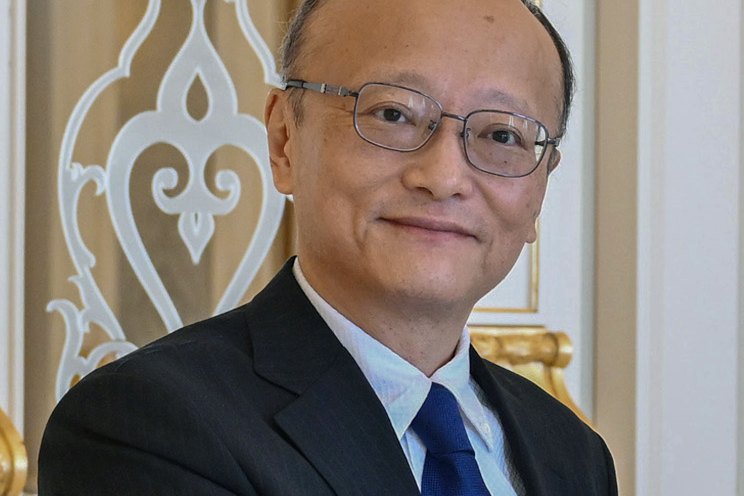
The global economy is “facing unprecedented uncertainty,” according to Masato Kanda, president of the Asian Development Bank. Speaking in an interview with the Japan Times on October 16, 2026, he warned that inflation in the Asia-Pacific region may “continue and even deteriorate further.”
Kanda, a former Japanese vice finance minister for international affairs, was in Bangkok for the annual meetings of the International Monetary Fund and the World Bank Group. He named three pressures: soaring energy prices from turmoil in the Middle East, a worsening El Nino, and more severe natural disasters linked to climate change.
Asia’s exposure is plain enough. The region leans heavily on the Middle East for crude oil and natural gas, and the ADB has put up $5.6 billion in financial support in response. Its own outlook has growth in emerging Asia-Pacific economies slowing to 5.0 percent in 2026, from 5.5 percent in 2025.
Debt is the second worry. Long-term interest rates have risen, mainly in developed economies, and that has made repayment heavier for developing countries with large dollar-denominated debts. “Developing nations are facing heightened inflation risks amid rising energy prices and transportation costs, as well as concerns over fiscal sustainability,” Kanda said. He also saw a chance in the moment: with world leaders alert to energy security, there was room to push reforms, including regional cooperation to build resilience.
He had a word on Japan as well. Sound macroeconomic policy, he said, is the “best weapon” against speculators, and a “timely interest rate adjustment” would help protect the Japanese economy. The remark carries some weight from a man known as “Mr. Yen of the Reiwa Era” for overseeing large yen-buying interventions at the finance ministry.
The bank’s next annual meeting is set for May in Nagoya. Kanda called it an important chance for international cooperation “at a time when the world is turning inward and societies within countries are becoming more divided,” and said he hoped it would draw more Japanese companies into Asia. He took the ADB presidency in February 2025 and begins a second term, at the Manila-based bank, in November.