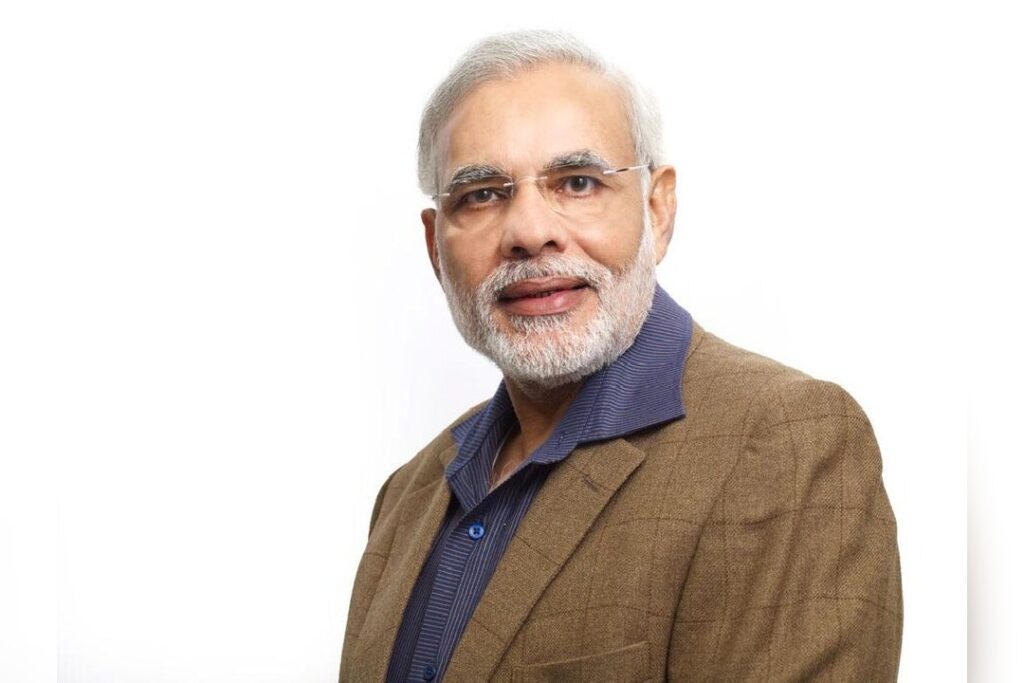
“This election is really about one thing. It’s about Modi, Modi, Modi.” That was how the 2024 campaign sounded as Narendra Modi, then 73, looked set to become only the second Indian to win three national elections in a row.
His pitch rests on where he started. Born in 1950 in Vadnagar, an ancient town in what is now Gujarat, he sold tea at a railway station as a boy while his mother washed dishes to make ends meet. He has never been shy about that history, and in a country where hundreds of millions are poor, it has built him a following.
From Gujarat to Delhi
Modi joined the Bharatiya Janata Party in 1987, just as the young party began to gain ground on the back of rising Hindu nationalism. In 2001 he became chief minister of his home state. “This is a victory of the pride of Gujarat,” he said then. “This victory is associated with the dreams of 50 million Gujaratis.”
A year later, deadly religious riots broke out across Gujarat. At least 1,000 people died, most of them Muslims. Critics allege Modi allowed or even encouraged the attacks. He strongly denies it, and a later Supreme Court inquiry found no evidence to prosecute him.
In 2014 the BJP won the general election by a landslide and Modi became prime minister. Hindus, who make up 80% of India’s 1.42 billion people, have been the constant focus of his party’s outreach. Morning Consult, the U.S. data intelligence company, put his approval rating at 75%, the highest among the 25 world leaders it tracks.
The 2024 test
Washington has raised concerns over the treatment of Muslims, underprivileged Hindus, Christians and other minorities under his rule. Modi says his government works for everyone without discrimination. The opposition goes further and argues that his Hindu nationalist agenda has polarized the country.
Rahul Gandhi, who leads the Congress party, called the vote “match-fixing” and warned: “If the BJP wins these match-fixing elections and changes the constitution, then the whole country will be on fire.”
Robin Jeffrey, an Australia-based academic who specializes in Indian politics, said that if the BJP gets the heavy majority it is talking about, 400 seats in a parliament of 540, “we’re going to see major changes. We’ll see constitutional changes that will really transform the face of India.”
Modi’s own promise is plainer. “In my third term, I guarantee that I will make India the world’s third largest economy.” He says he wants to leave behind a country on the path to ending poverty and becoming fully developed by 2047, a hundred years after independence from British rule. A third win might be his last term in office.