
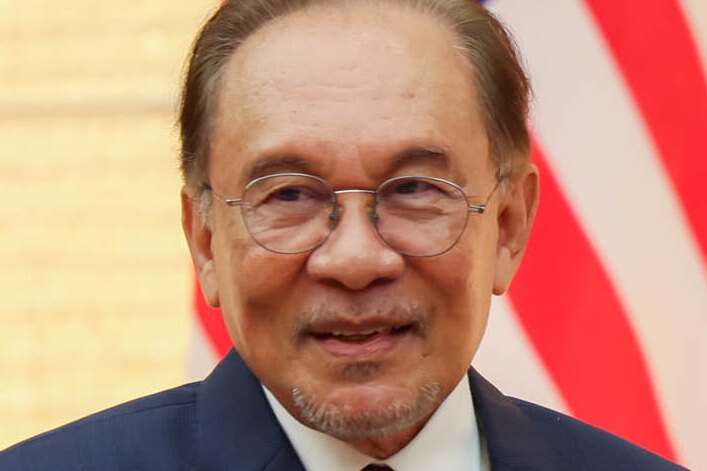
Anwar Ibrahim won 82 seats in Malaysia’s November 2022 election. A majority needed 112. Muhyiddin’s right-leaning National Alliance took 73, and its ally, the Pan-Malaysian Islamic Party, became the biggest single party with 49. No one had a mandate.
Smaller blocs then agreed to back Anwar for a unity government, and on Thursday, November 24, the king named him Malaysia’s 10th prime minister. He was 75. It was more than two decades after his sacking and imprisonment.
From youth leader to deputy prime minister
Anwar was born on August 10, 1947, in Penang and studied at the University of Malaya. He led the Malaysian Islamic Youth Movement, known as ABIM, and in 1974 was jailed under the Internal Security Act, which allowed detention without trial, spending 20 months in the Kamunting Detention Centre.
In 1982 he joined the United Malays National Organisation, led by Prime Minister Mahathir Mohamad, and won the Permatang Pauh seat. The rise was fast: deputy minister, then minister of culture, youth and sports, agriculture, and education. He became finance minister in 1991 and, in 1993, Mahathir’s deputy. His talk of a “son-father” relationship with Mahathir fed the view that he would succeed him. In 1996 Asiamoney named him Finance Minister of the Year.
Sacked, beaten, jailed
The 1997 Asian financial crisis broke the partnership. Anwar backed the IMF plan, an austerity package that cut government spending by 18 percent, and said “there is no question of any bailout.” Mahathir blamed currency speculators and favored currency controls.
On September 2, 1998, Anwar was fired from the cabinet. The next day he was expelled from UMNO. He was arrested on September 20 and held without trial. Nine days after his arrest he appeared in court with a black eye, caused by an assault in custody by the then police chief, Abdul Rahim Mohd Noor, who was later jailed for two months and apologised. Tens of thousands took to the streets, and the black eye became a symbol of the Reformasi movement behind his new People’s Justice Party.
He got six years for sodomy in 1999 and, a year later, nine for corruption. Anwar called the charges a political conspiracy by Mahathir. Amnesty International described him as a “prisoner of conscience.”
Out, in again, and back
In 2004 the top court overturned the sodomy conviction and he walked free. He returned as opposition leader from 2008 to 2015. A second sodomy conviction in 2015 sent him back to prison, in a case he said was meant to crush his alliance.
From his cell he made peace with Mahathir. Their opposition pact won the 2018 election and ousted the UMNO-led alliance, which had ruled since independence in 1957. Anwar was pardoned and his wife, Wan Azizah Wan Ismail, became deputy prime minister. The planned handover never came: infighting brought the government down after 22 months.
The job he got
Anwar campaigned on a multiethnic platform, promising to end racial and religious bigotry and to plug billions lost to corruption. Ei Sun Oh of Singapore’s Institute of International Affairs compared his struggle to Nelson Mandela’s and said he hoped Malaysia could “revert to a more open and inclusive society and economy.”
The to-do list is long. Racial divides deepened after the poll, inflation was rising and the currency had fallen to its weakest point. Malays are two-thirds of Malaysia’s 33 million people. Anwar took the finance portfolio himself and filled his cabinet with MPs from Pakatan Harapan, Gabungan Parti Sarawak and UMNO. His government has since introduced reforms to subsidies, education and the death penalty, though a 10-year term limit for prime ministers failed to pass.




