
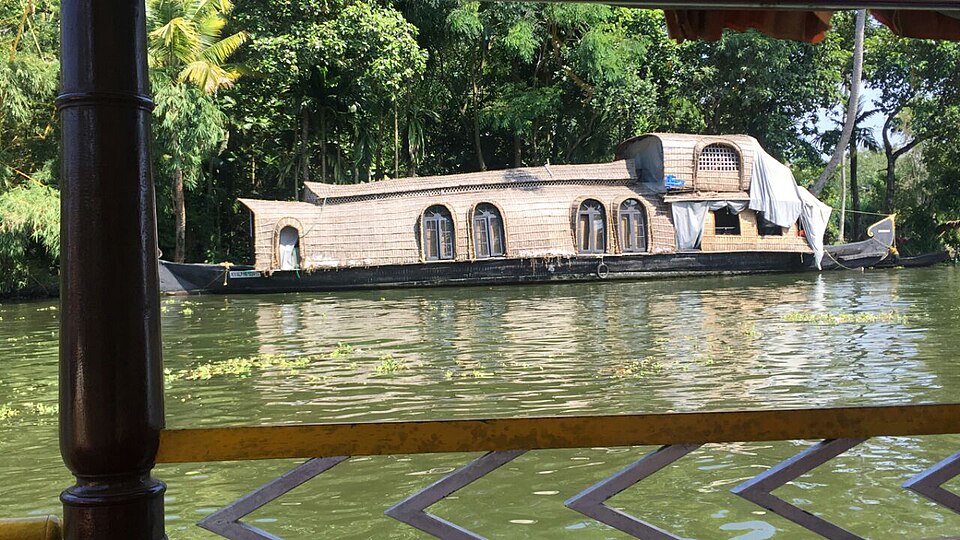
Kerala’s rains do not leave all at once. The southwest monsoon thins out by late September, and what it leaves behind is a state that stays lush and green through October and November, with the peak-season crowds and prices still a few weeks away. Quartz, in a fall travel ranking published September 25, put Kerala at the top of its list of ten places to visit in Asia.
The ranking draws on travel writer Marco Ferrarese, who has lived in Southeast Asia for close to twenty years and has written for Rough Guides, Fodor’s, Travel + Leisure Southeast Asia, Nikkei Asia and the South China Morning Post, as well as Lonely Planet. He picked destinations by weather window, festival calendar and what the land offers once the monsoon clears or the desert heat breaks.
Why timing matters
The piece starts from a simple point about geography. Asia runs from tropical coast to some of the highest mountains on earth, so a cool snap in one place never closes a door somewhere else. Trekkers get clear Himalayan skies while divers head for calm equatorial water. City visitors can plan around an old festival instead of a summer crowd.
The calendar still decides a lot. Monsoon rain soaks the Himalaya through August and leaves trails muddy and clouded in. Summer heat shuts visitors out of the high desert routes in Pakistan and western China. Thailand’s Gulf islands stay crowded and expensive deep into fall. Then it all shifts. Nepal’s trails dry within weeks of the monsoon’s retreat, Mongolian herders gather for festivals before winter closes the western steppe, and Southeast Asian beach towns empty out even with some light rain along the coast.
For Kerala, the gap between the last rains and the busiest month is the point. A traveler can see India’s greenest state without fighting for room on a boat or a trail.
From a colonial port to Stone Age rock art
The suggested route is built around Kochi, the old port city. A bicycle tour through the old town and surrounding countryside runs through centuries of Portuguese, Dutch and British trading history, at a pace slow enough to take it in. From there the backwaters near Alleppey open up. Quartz recommends a kayak over a bigger houseboat: paddling gets you into narrower channels, where village life carries on along the banks largely untouched by tourism.
Those with more time can go north to the Malabar coast, where Vasco da Gama landed in 1498 and opened a European trade route that reshaped the region for centuries. Inland, the hills of Wayanad are cooler and greener than the coast, and the Edakkal Caves there carry petroglyphs scratched into the rock in the Neolithic age. Few places in India let a visitor go from a colonial-era port to a working backwater community to Stone Age rock art in a single week.
A rented motorcycle is among the most flexible ways to link the stops. Riders need a license printed in English or an international driving permit.




