
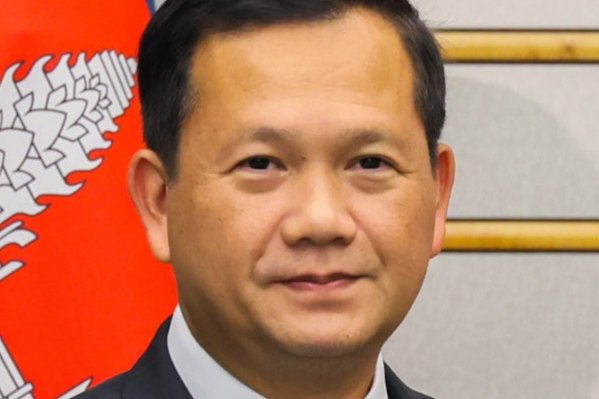
PHNOM PENH, September 23 — Cambodian Prime Minister Hun Manet said the country has absorbed hundreds of millions of dollars in losses from the economic fallout of the war in the Middle East, including state subsidies and measures to hold down rising fuel prices, and that his government expects to spend millions more to cushion affected groups — among them the country’s tuk-tuk drivers.
Hun Manet put the figures on the record during the inauguration ceremony of Luang Mer Hospital on September 16, according to a report by Niem Chheng of The Phnom Penh Post published on September 18. The state, he said, had spent more than $360 million just to help cover fuel costs and reduce taxes on companies importing fuel.
He added that Cambodia had provided $350 million in subsidies — a tally that does not yet include the $50 million spent by Electricité du Cambodge (EDC) to subsidise electricity prices so they would not increase.
A new round of payments, and who receives them
Hun Manet said he had just signed off on another intervention programme to provide subsidies to more than one million affected families, particularly tuk-tuk drivers. Beneficiaries of the programme are set to receive three subsidy payments. The report did not detail the eligibility criteria or the payment schedule for those three instalments beyond identifying tuk-tuk drivers and more than one million affected families as beneficiaries.
It also did not specify the exact duration over which the $360 million, $350 million, $50 million and nearly $100 million figures were accumulated. He said the government would have to spend nearly $100 million rather than spend that money buying BM rockets to fight.
Money for relief, not for rockets
Hun Manet framed the expenditure as a deliberate choice to direct public funds toward domestic economic relief and affected populations rather than military conflict. Such spending was necessary, he said, and preferable to using public funds to wage war or buy bullets to fight against Thailand. The prime minister noted that the state had also spent substantial amounts to support displaced people, armed forces and people returning from Thailand after the border conflict began, as well as children affected by the border conflict.
The report did not specify the total number of displaced people, armed forces members, returnees from Thailand or children affected by the border conflict who received state support, nor the amounts spent on those groups. The remarks were delivered at the September 16 inauguration of Luang Mer Hospital.
A photograph of Hun Manet speaking that day was credited to SUPPLIED/THE PHNOM PENH POST. What to watch next is whether the government publishes the eligibility rules and payment timetable for the three subsidy instalments, and whether the fuel and electricity support is extended beyond the period covered by the figures Hun Manet cited.




