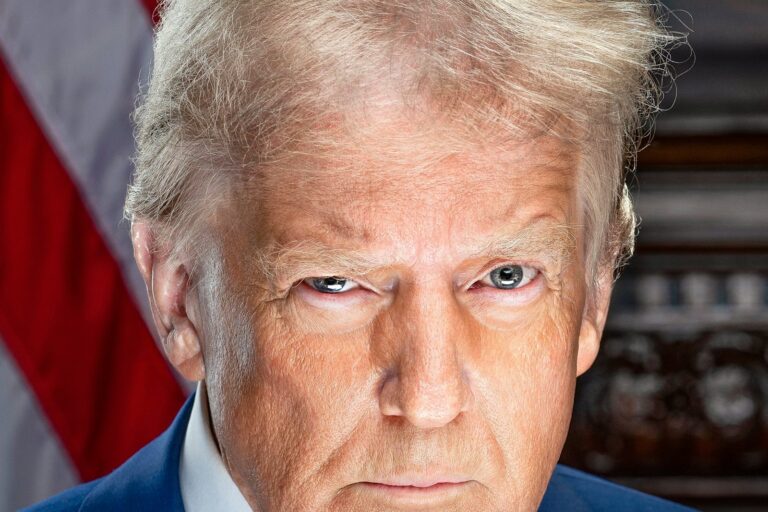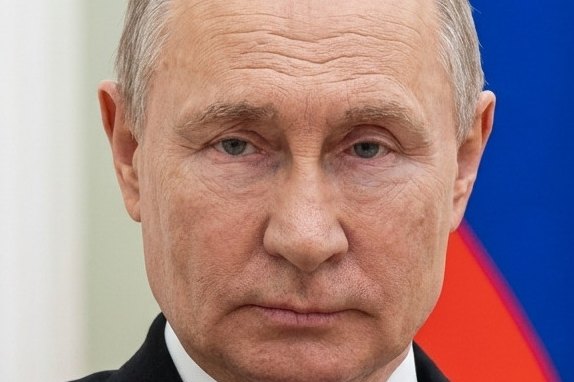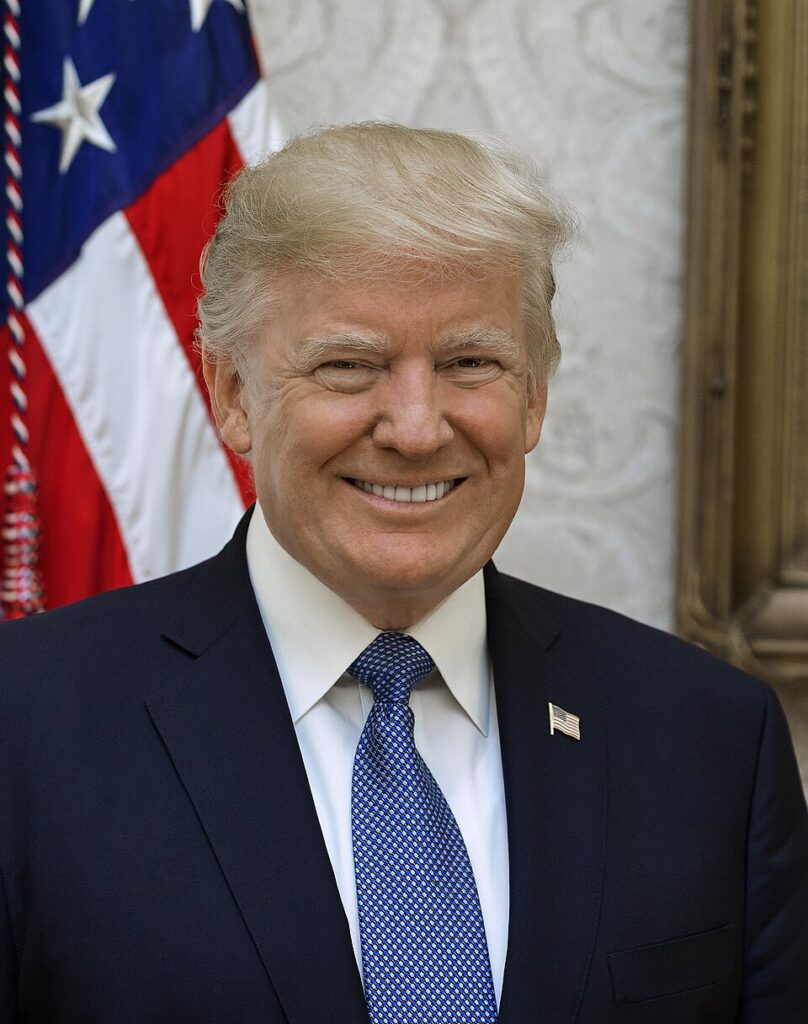
Beijing is heading to Washington with a plan, and the plan does not involve giving much away. That is the reading offered by Neil Thomas, a senior fellow on Chinese politics at the Asia Society Policy Institute’s Center for China Analysis, in a ChinaFile roundup published on September 17 ahead of the Xi-Trump summit on September 24.
Thomas wrote that Beijing sees the moment as a golden opportunity to accelerate industrial self-reliance and build up its geoeconomic leverage while keeping further U.S. pressure at bay. Many Chinese strategists, he said, treat Donald Trump as a relatively benign figure when it comes to China. He added a warning: word around D.C. is that more hawkish officials have drafted several proposals to hobble China’s high-tech industries, ready to go if Trump sours on Xi Jinping.
What Beijing will and will not trade
China wants the summit to look like a success to Trump, Thomas argued, but not at the price of significant concessions on AI-model distillation, industrial overcapacity or rare-earth export controls. What he expects instead: progress on Trump’s Board of Trade and Board of Investment, promises of more Chinese purchases of U.S. goods, more dialogues, and an extension of the economic truce. Even an agreed duration for that truce would count for little if Trump decides to pivot on China.
The best case, in his telling, ends with both leaders confirming that Trump will attend APEC in Shenzhen and Xi the G20 in Miami later this year. “If things do not go well, we will know much sooner,” he wrote.
A strong hand, and a soft spot
Lizzi C. Lee, a China economy fellow at the same center, wrote that China’s economy is in less dire shape than many had expected. Exports are holding up despite trade tensions, and the global AI investment boom has lifted demand for metals and equipment. Xi has reason to lower tensions with Washington, she wrote, but he will not bend on Beijing’s manufacturing ambitions, because those strengths explain the country’s resilience.
That same resilience could be a weakness. A model that leans on domestic tech and manufacturing and on outside demand for technology is, in her words, “unusually vulnerable” to export controls and swings in the AI investment boom. She was not optimistic about a grand deal in September. Signs that both sides are building the machinery for a deeper conversation would matter more, she said, and leadership-level intent still has to turn into bureaucratic incentives on both sides.
Craig Allen, a non-resident senior fellow at the center, pointed to technology executives. They will watch whether the export-control truce is extended. Under it, both sides agreed to put off new and expansive export control measures for a year. Each government has complaints: the U.S. about access to rare earths, the Chinese about access to aircraft parts and recently announced FCC regulations.
The wider backdrop
The National reported on September 21 that the summit would be the leaders’ second meeting this year and Xi’s first White House visit in a decade. Trump told reporters, “We’re going to have a lot of different deals.” James Lewis, a fellow at the Centre for European Policy Analysis, called it the summit of the three Ts, Taiwan, technology and trade, and said no one was expecting big breakthroughs.
The clock matters. China’s one-year suspension of its sweeping rare-earth export controls, announced in October 2025, runs out on November 10. An estimated $14 billion U.S. arms package for Taiwan is also still waiting for final approval. Trump planned to greet Xi at Joint Base Andrews on Wednesday, with the main bilateral meeting and a state dinner set for Thursday.
Sources
- What to Watch at the Xi-Trump Summit | ChinaFile
- Trump set for Washington summit with Xi focused on trade, Taiwan and AI | The National