In 1990, North America and the euro area together made up 55% of global GDP. The RCEP region accounted for about 20%. By 2025 that gap had closed: RCEP’s share stood at 28%, about the same as North America’s and almost twice the euro area’s.
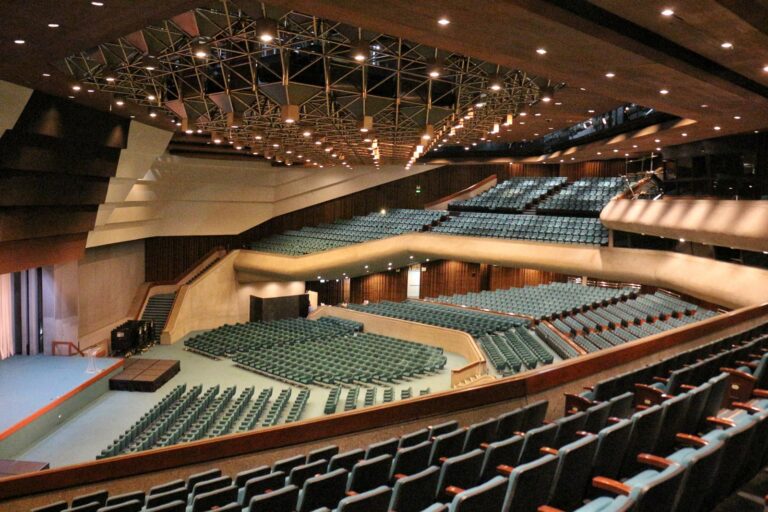
Yasuto Watanabe, Director and CEO of the ASEAN+3 Macroeconomic Research Office (AMRO), put those figures in front of business leaders on September 9, 2026, at the first RCEP Business and Investment Summit. The East Asia Business Council and the Management Association of the Philippines convened the event, held under the theme “Business in the RCEP Economy: Competing, Connecting and Scaling Across East Asia.”
RCEP also covers about 30% of the world’s population and 30% of global trade. “It is no longer simply part of the global economy,” Watanabe said. “It is one of its main centers of gravity.”
The ASEAN+3 core
At the heart of the bloc sit the ASEAN members plus China, Japan and Korea, which together account for 92% of RCEP’s GDP. AMRO works with all of them on economic surveillance and technical assistance. The region also shares a safety net, the USD 240 billion Chiang Mai Initiative Multilateralisation, which Watanabe put at about 20% of the IMF’s financial resources.
His baseline for the near term was modest. AMRO expects ASEAN+3 growth to ease to 4.1% in 2026 and 4.0% in 2027, while inflation rises from 0.9% last year to 1.6% this year.
Three things that could knock it off course
Watanabe named the technology cycle, the Middle East conflict with energy prices, and trade policy. In AMRO’s downside scenario, a sharp slowdown in AI demand could pull growth down to 2.5%. A renewed escalation in the Middle East could push inflation up to 4.6%. Tariff uncertainty and wider shifts in trade policy are a further worry.
Even so, he said, the region should keep outpacing the world economy, and AMRO estimates ASEAN+3 will supply about 44% of global growth for the rest of this decade.
A region that now buys what it makes
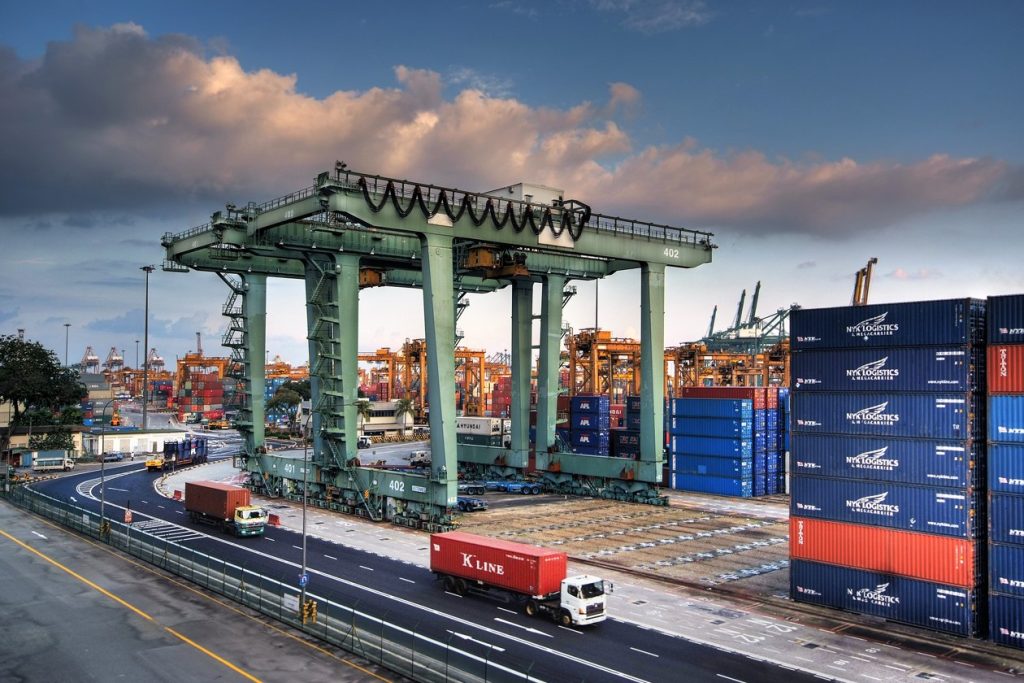
For years East Asia was called the world’s factory, with most of the final demand coming from elsewhere. Watanabe said that is changing. More goods are now made, traded, invested in and consumed inside ASEAN+3 itself.
He pointed to three shifts. Supply chains have grown denser: in 2000, global production centred on the United States, Germany and Japan, and China has since joined them as a major hub, with much stronger links across the region. That means more parts and inputs pass between neighbouring economies before becoming final goods, which gives firms more options and, in his words, supports trade, jobs and investment.
Demand has moved too. ASEAN+3 accounted for about 20% of global final demand in 2000. By 2024 the share was 27.5%, making it the world’s largest source of final demand. Investment from within the region into ASEAN has also grown strongly.
Closer ties carry a cost, he warned. Regional and global forces now explain the variation in ASEAN+3 growth about equally, at around 36% each, so a shock in one big economy reaches its neighbours faster. Moving up the value chain has left the region leaning on a smaller set of partners and sectors. “Concentration is the hidden risk of specialization,” Watanabe said, and he argued the answer is better integration, not less: wider links, more diverse supply chains and stronger regional safety nets.