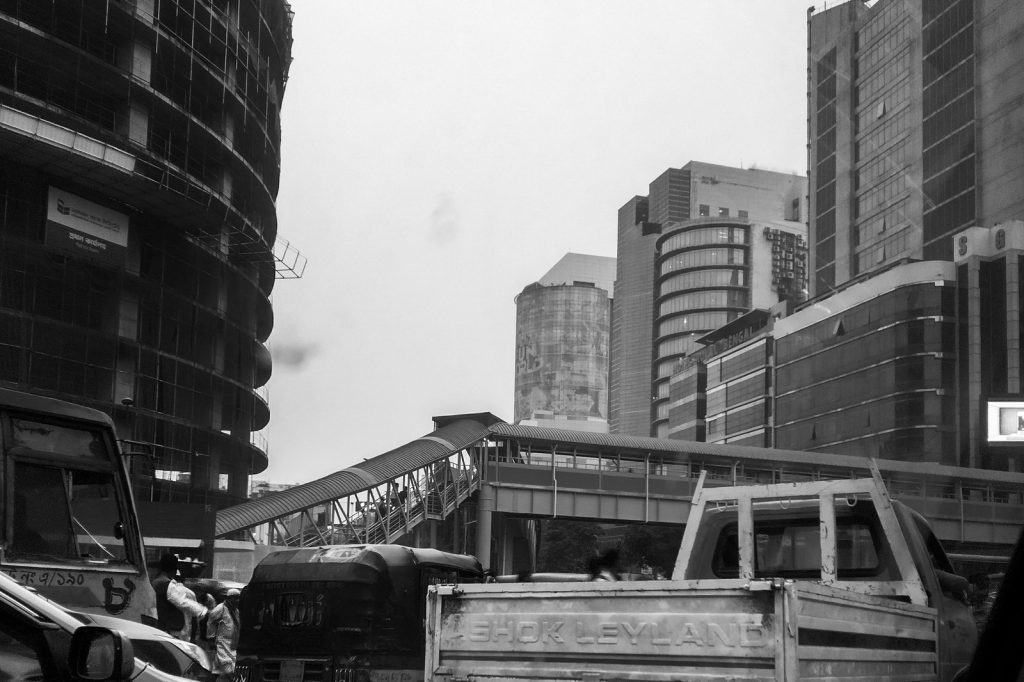
More than 235,000 people die each year from complications of air pollution in Bangladesh, according to UN estimates. Hundreds of thousands more live with asthma and other respiratory disease. Diesel buses and trucks in Dhaka and Chattogram are a large part of the cause.
On June 11, finance minister Amir Khosru Mahmud Chowdhury used his budget speech in parliament to change course. Electric buses and trucks get a “full exemption (except value-added tax)” on import duties, he said, and the break runs until June 30, 2030. “I propose extending this facility until 30 June, 2030.” The new fiscal year, and the new tax structure, start July 1.
Chargers get the same treatment. “A nationwide charging network is essential for the smooth operation of electric vehicles,” Chowdhury told lawmakers. “To support this, I propose reducing the total tax incidence on EV chargers and charging stations from 39.75% to 0%.” He also announced a 0% tax rate on the solar power sector until 2035 and a 5% tax rebate on payments against solar electricity bills.
Private cars were covered too. “At present, high tax burdens make electric vehicles unaffordable for most citizens,” he said. Supplementary duty will fall depending on vehicle type, registration fees for EVs are cut, and regulatory duty on new plug-in hybrids with engines up to 1,800 cc is withdrawn.
A higher bill for fossil fuel vehicles
The budget pushes the other way on diesel, octane and petrol vehicles. An owner of a vehicle with a 1,200 to 1,600 cc engine will pay a tariff of nearly 156%, up from 132%. Transport accounts for 9% of the country’s greenhouse gas emissions, Chowdhury said. The government wants to replace 25% of buses and 30% of trucks with electric ones, in line with its Nationally Determined Contribution under the climate agreement. Mongabay noted the proposals are almost certain to pass, since the ruling party holds more than two-thirds of the seats.
Mirza Shawkat Ali, director of the climate change cell at the Department of Environment, said Bangladesh has always put adaptation first but is now “going for mitigation as well.” He said the previous government’s higher tariffs had put EVs out of reach for most people.
Doubts about delivery
Saiful Islam of the Bangladesh Bus-Truck Owners Association said operators welcome the proposals but that putting them into practice raises hard questions. Bangladeshi manufacturers do not make electric buses or trucks, so every one would be imported. “These vehicles are costly, triple the price of diesel-powered ones,” he said, and operators would need charging stations, trained technicians and spare parts first. Refuelling a bus takes five minutes. “If a bus takes 30 minutes for recharging, the passengers will not accept it.” Without policy support, he said, “we cannot go ahead.”
Provat Saha, a former teacher at the Bangladesh University of Engineering and Technology, called the move laudable, but doubted it would be enough. Large trucks and lorries cause most of the sector’s pollution, he told Mongabay, and they are not electric.
Anisur Rahman, a marketing professor at Dhaka University, said the government should have run a feasibility study first.
Sources
- Bangladesh Introduces Extensive EV Incentives to Slash Transport Emissions
- Bangladesh unveils sweeping EV incentives to cut emissions and pollution