
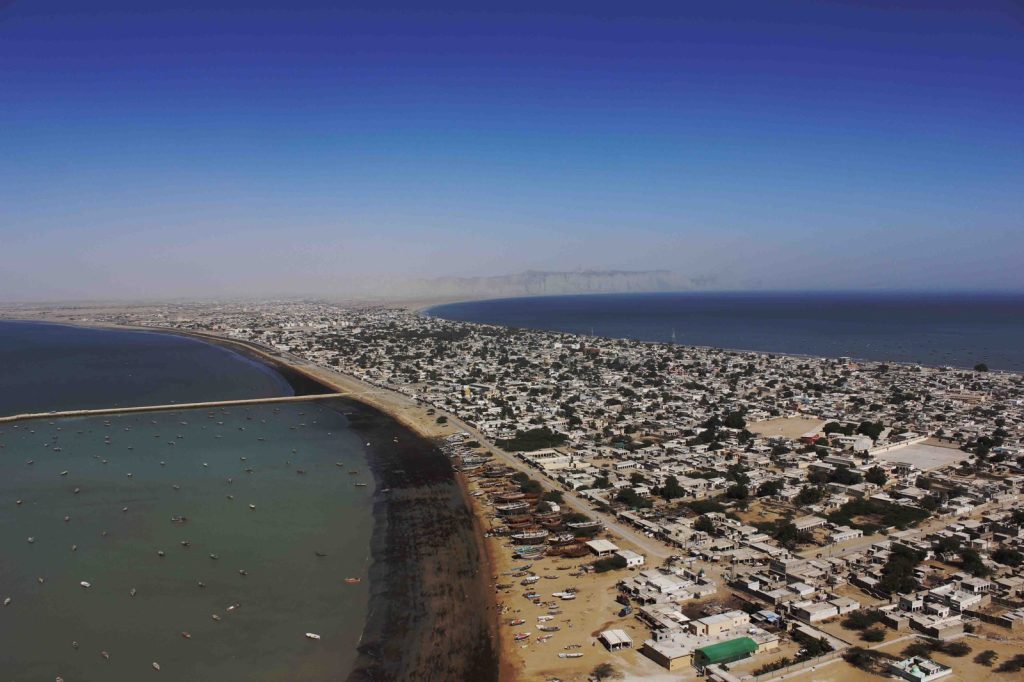
GWADAR, Pakistan — The men who were supposed to guard the main police station here are gone. Fourteen of them, dismissed. Their offense: they did not fight back.
On the night of June 7, unidentified armed men walked into the station. The personnel on duty offered no resistance.
The attackers took official weapons, ammunition, and government equipment. They left without a struggle. Now the people of Gwadar live with the consequences.
A police station that should project authority instead stands as evidence of its failure. The weapons stolen from it are somewhere in the city, or beyond it, in the hands of men who have already shown they know how to use them.
Gwadar is not a quiet place. It is the centerpiece of the China-Pakistan Economic Corridor, a multibillion-dollar infrastructure project. Chinese nationals work here.
Security personnel guard them. Separatist groups have carried out suicide bombings and coordinated assaults targeting all of them. The Balochistan Liberation Army and the Baloch Liberation Front have been fighting a decades-long insurgency in this province, Pakistan’s largest and least developed.
The police were supposed to be the first line of defense. They were not.
Superintendent of Police (Security) Abdul Waheed headed the inquiry. He said the 14 officials — including sub-inspectors — were dismissed for gross negligence, corruption, violation of security protocols, and irresponsible conduct while on duty. They were not fired for losing a battle.
They were fired for not fighting one. The dismissals come as scrutiny of policing in Balochistan intensifies.
Violence here is not new. Attacks on security personnel and government installations are routine. The pattern, researchers and security analysts say, is the failure itself.
A police station meant to project authority did the opposite. It showed weakness. For residents of Gwadar, the question is simple: who protects them now?
The police force has been purged of 14 members, but the station remains. The weapons are gone.
The men who took them are still out there. Balochistan has seen this before. Insurgent groups hit hard, then fade.
The government responds, then moves on. The cycle repeats.
This time, the response was internal. Fourteen officers lost their jobs. No one has said whether any of the stolen arms have been recovered.
Gwadar is the focal point of CPEC. Chinese investment has poured into the port city. New infrastructure, new buildings, new money.
But the old problems remain. Separatist groups see the Chinese presence as an occupation.
They attack it. The police are supposed to stop them. On June 7, they did not.
The dismissals send a message to the force: fail and you are out. Whether that message deters the next attack is another matter.
The men who robbed the station faced no resistance. They will likely try again, somewhere else, against someone else. Meanwhile, the people of Gwadar go on.
They live in a city that is both a symbol of Pakistan’s future and a target of its oldest conflict. The police station is still there. The locks might be changed.
The trust is not.




