
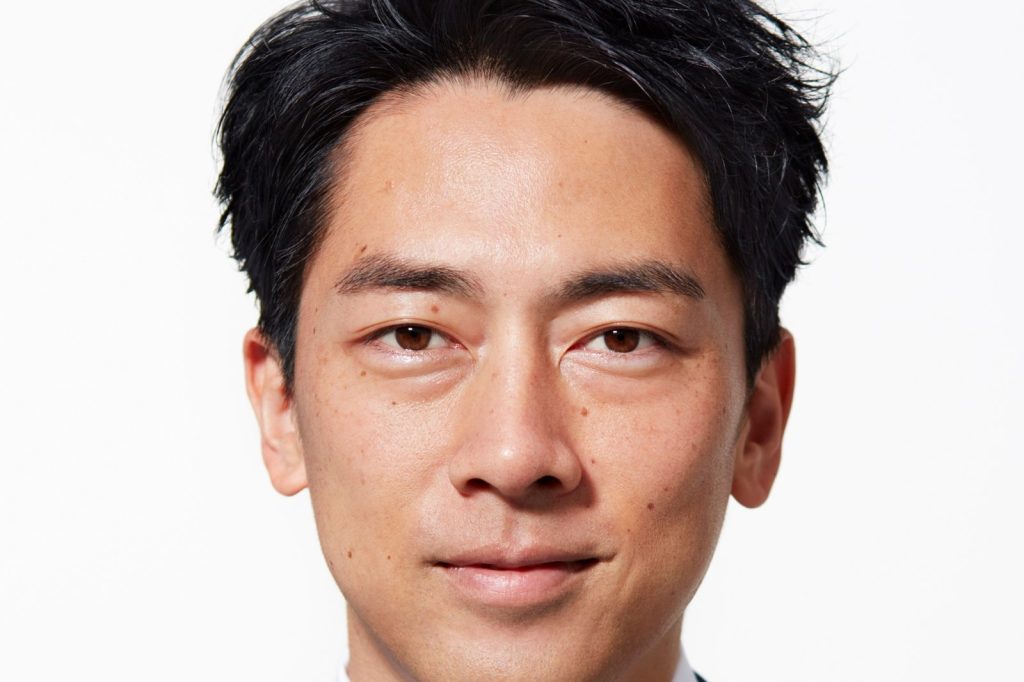
For the navies of Japan and South Korea, trust is measured in small steps. A joint search and rescue drill on June 7, the first of its kind in roughly nine years, was one of them. That exercise between the Maritime Self-Defense Force and the South Korean Navy gave the two sides something concrete to point to when their defense ministers met in Seoul on the morning of June 28.
Japanese Defense Minister Koizumi and his South Korean counterpart, Ahn Gyu-back, did not just talk about old tensions. They agreed to deepen cooperation on artificial intelligence in the defense domain.
For the soldiers, sailors, and air crews who would operate such systems, this is not abstract. AI in military planning, surveillance, or targeting changes how they train, what equipment they use, and who they coordinate with. Consider the South Korean Air Force aerobatic team, the Black Eagles.
They visited Naha Air Base in Okinawa Prefecture in January 2026. That is the kind of people-to-people exchange the ministers confirmed plans to expand.
A pilot who flies with a Japanese counterpart in peacetime is a pilot who can communicate in a crisis. That matters. The agreement builds on what the Japanese Defense Ministry described as productive discussions between defense authorities in the field.
That phrase — “in the field” — points to the working-level experts who have been quietly talking. They are the ones who will now have to figure out what AI cooperation actually means. Shared data standards?
Joint wargaming? Interoperable systems?
The ministers gave a policy direction. The technicians and officers will do the hard work. For India, which has its own growing defense tech relationship with Japan and watches the Korea-Japan axis closely, the signal is clear.
AI is no longer a niche experimental area in Asian military cooperation. It is becoming a formal pillar of bilateral security dialogue.
Indian defense planners, who already work with Japan on projects like the US-2 amphibious aircraft and joint exercises, now have to factor in a Tokyo-Seoul AI track that did not exist at this level before. The three-way framework among Japan, South Korea, and the United States also got a reaffirmation. Washington has pushed this trilateral cooperation as a consistent priority.
Despite the usual diplomatic friction between Tokyo and Seoul, the machinery keeps moving. That means American, Japanese, and South Korean personnel will continue training together, sharing intelligence, and — now — coordinating on AI. One notable silence in the discussions: a Defense Ministry official declined to elaborate on a specific point.
That silence itself is a detail. In defense diplomacy, what goes unsaid often matters as much as what is announced.
The ministers also welcomed the joint search and rescue exercise. Nine years without such a drill is a long time. Navies are built on routine cooperation.
When that routine breaks, operational trust erodes. Restoring it takes time and repeated contact.
One exercise is a start. The AI agreement is another step. But for the sailors who will share a sea lane or the analysts who will share threat data, the real test is whether these agreements translate into daily practice.
That is where the impact will be felt. Not in a conference room in Seoul. On ships.
At air bases. In command centers.
Among the people who have to make this work.
{“@context”: “https://schema.org”, “@type”: “NewsArticle”, “headline”: “Japan and South Korea Defense Ministers Meet After First Naval Drill in Nine Years”, “description”: “For the navies of Japan and South Korea, trust is measured in small steps. A joint search and rescue drill on June 7, the first…”, “datePublished”: “2026-06-28T16:08:00+00:00T09:30:00+00:00”, “author”: {“@type”: “Person”, “name”: “Li Wei”}, “publisher”: {“@type”: “Organization”, “name”: “InfoPulse Today”, “url”: “https://newsfeed.infopulsetoday.com/”}}




