
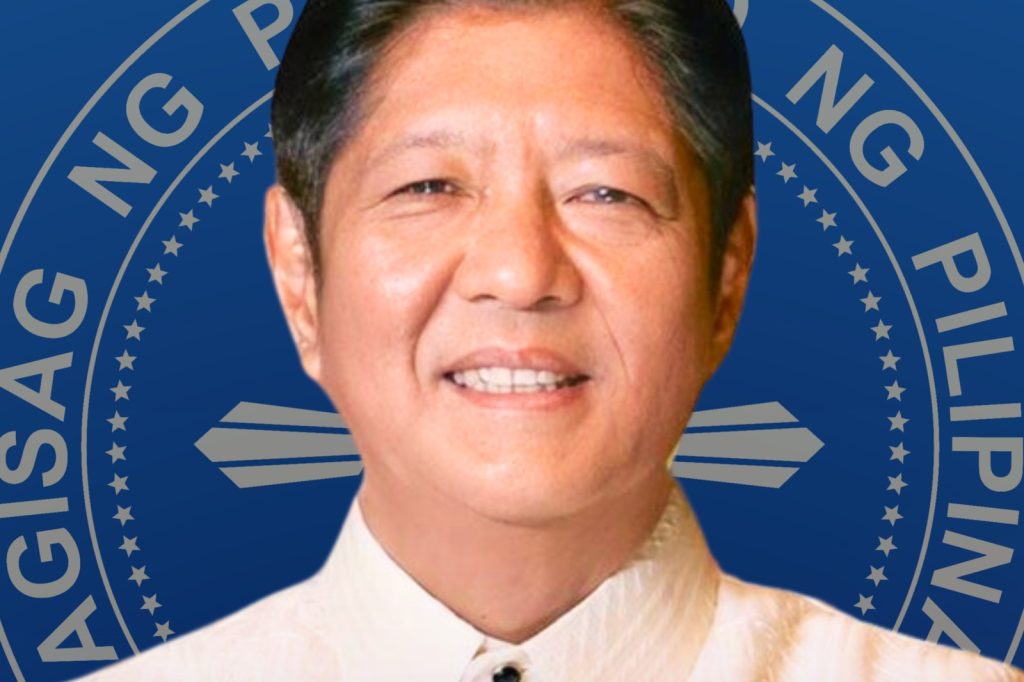
Twelve percent of registered voters. That was the bar for a people’s initiative to rewrite the Philippine constitution, and in January 2024 its backers said they had cleared it. Within days the election commission suspended the process over reports of bribery.
The push began with President Ferdinand “Bongbong” Marcos Jr. and his allies. It split Congress, with the House of Representatives in favor of amending the 1987 charter and the Senate opposed, and former president Rodrigo Duterte among the high-profile figures backing the Senate side.
The signature drive
The People’s Initiative for Reform Modernization and Action, known as PIRMA, started a petition in January 2024. Its proposal had both chambers vote together in a constitutional assembly. The 24-member Senate objected, because its vote would be swamped by the 316 members of the House.
Albay Representative Edcel Lagman said constituents had been offered between 100 and 10,000 pesos for their signatures. Some said they were told the forms were for government subsidies. On January 9, Senator Imee Marcos, the president’s sister, said up to 20 million pesos had reportedly been offered to each congressional district able to deliver the required signatures. She accused House Speaker Martin Romualdez of leading the effort.
At a Senate hearing on January 31, PIRMA’s lead convenor, Noel Oñate, acknowledged talking with Romualdez about the initiative and claimed responsibility for the signature campaign. He denied any bribery. On February 2, witnesses from Davao City told senators they had been promised government aid and 4,000 pesos in cash for signing. Barangay captain Rene Estorpe of Agdao Centro said the promises came from the PBA Partylist. A party-list coordinator from barangay San Antonio admitted handing out coupons for government aid to persuade neighbors to sign. In Marikina, Mayor Marcelino Teodoro ordered the arrest of anyone found paying residents for signatures.
The president said he supported charter change and the initiative, but only for the constitution’s economic provisions, not political ones. Imee Marcos questioned that motive, noting that Congress had already loosened economic restrictions through the Retail Trade Act, the Foreign Investments Act and the Public Service Act.
Critics and a Duterte rally
Sonny Africa of the Ibon Foundation argued in January that the proposals would worsen the economic crisis and that Marcos and his allies had hidden motives for staying in power. Political scientist Aries Arugay called charter change a “Trojan horse” meant to remove the presidential term limit. In March the rights group Hustisya warned that it could bring another dictatorship.
On January 28, hours after the administration’s Bagong Pilipinas rally, a prayer rally opposing the initiative drew Rodrigo Duterte, Vice President Sara Duterte, Imee Marcos and others in Davao City. Duterte accused Marcos of consolidating power by extending term limits for the president and members of Congress. He warned Marcos would “suffer the same fate as his father,” a reference to the 1986 People Power Revolution, and called on the military and police to “protect the constitution.”
He also claimed Marcos was on a drug-personality list kept by the Philippine Drug Enforcement Agency. The agency denied it, saying Marcos was never on any list since its database was created in 2002.
Calls for a separate Mindanao
On January 30, Duterte revived a movement for a “separate and independent Mindanao,” to be headed by former House Speaker Pantaleon Alvarez. He said it would not mean rebellion or “bloodshed.” Senate President Migz Zubiri and minority leader Koko Pimentel, both from Mindanao, condemned the plan. Pimentel said the “last thing that we want is for our country to be chaotic and divided.”
The Moro National Liberation Front rejected the call too. “Secession is not the solution to this current problem,” said Omar Yasser Sema, deputy speaker of the Interim Bangsamoro Parliament. National Security Adviser Eduardo Año said any attempt at secession “will be met by the government with resolute force.” Murad Ebrahim, interim chief minister of the Bangsamoro region, urged support for Marcos and the government “to allow peace and civility to reign.”
Sources
Sources
- 2024 constitutional reform attempts in the Philippines
- Philippine lawmakers push constitutional change under Marcos




