
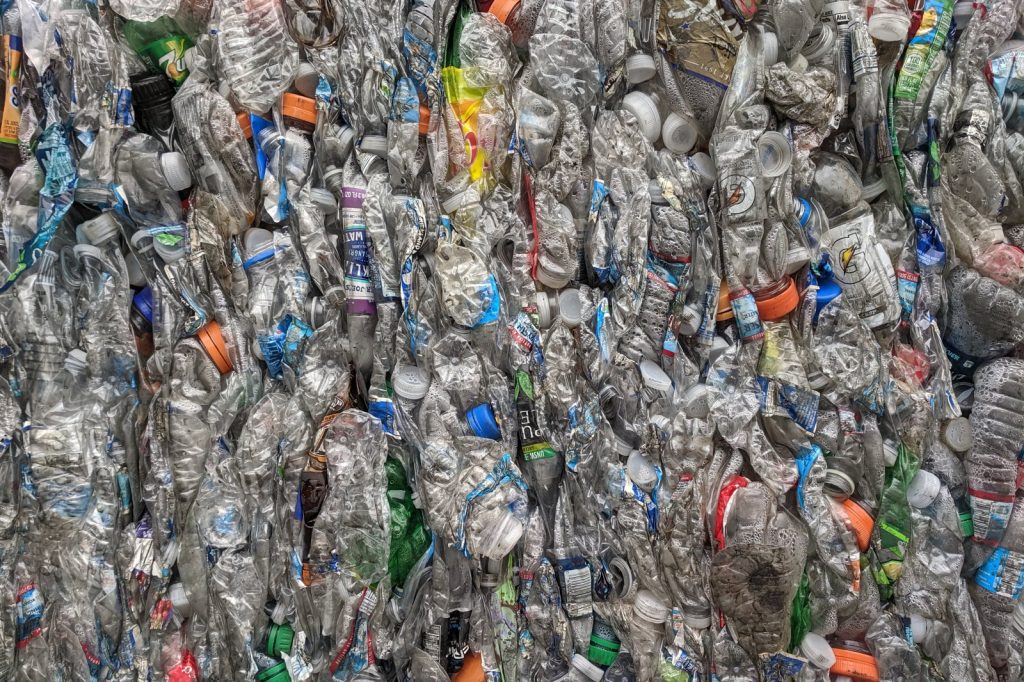
About 16.8 kilograms. That is how much plastic packaging the average Malaysian uses in a year, the most of any of the six Asian countries in a new WWF analysis. Thailand came second at 15.5 kg.
The green group said on Monday, February 17, that it wants the government to limit single-use plastics and work with companies to pay for a recycling push. The report covered China, Indonesia, Malaysia, the Philippines, Thailand and Vietnam. Together they account for 60 percent of the roughly eight million tonnes of plastic that reach the world’s oceans each year. It looked at household packaging, the plastic most likely to end up in the sea, and found that 27 million tonnes were consumed across the six countries in 2016, the latest year with reliable data.
Thomas Schuldt, WWF’s coordinator on a plastic circular economy, put Malaysia’s lead down to wealth. He also pointed to everyday habits. “There is lots of food delivery, which is plastic packaging-heavy – but in addition, there are also a lot of day-to-day products bought in supermarkets,” said Schuldt, who is based in Kuala Lumpur.
Where the waste goes
Malaysia’s waste is often mixed and goes to landfill. Extreme weather can wash it into rivers and then the sea. Environmental experts say plastic waste hurts tourism, fishing and shipping, kills marine life and can enter the human food chain.
The wider region has a similar problem. Fast-growing economies and populations, long coastlines and dense cities have outrun garbage collection and infrastructure, creating what conservation experts call a “perfect storm.” After China banned plastic-waste imports at the start of 2018, exporters such as the United States and European countries began shipping to other Asian countries.
What WWF wants
Schuldt urged Malaysia and other Asian governments to regulate single-use plastics. He also wants Malaysia to build a system with businesses and green groups that pushes consumer goods firms to use less packaging and pay for better recycling, as more than 30 other countries have done, including some in Asia. Awareness campaigns encouraging people to separate their waste could lift recycling rates, he said.
Malaysia’s environment ministry declined to comment. Last year the government launched the Malaysia Plastics Pact to start a public debate on better recycling. Schuldt said its findings are likely to be released in March.
Globally, the WWF report noted, the volume of plastic waste entering the ocean is set to quadruple between 2010 and 2050. By mid-century the sea could hold more plastic by weight than fish.
Sources
- Malaysia urged to cut down on plastic packaging for cleaner seas
- Malaysia urged to cut down on plastic packaging for cleaner seas




