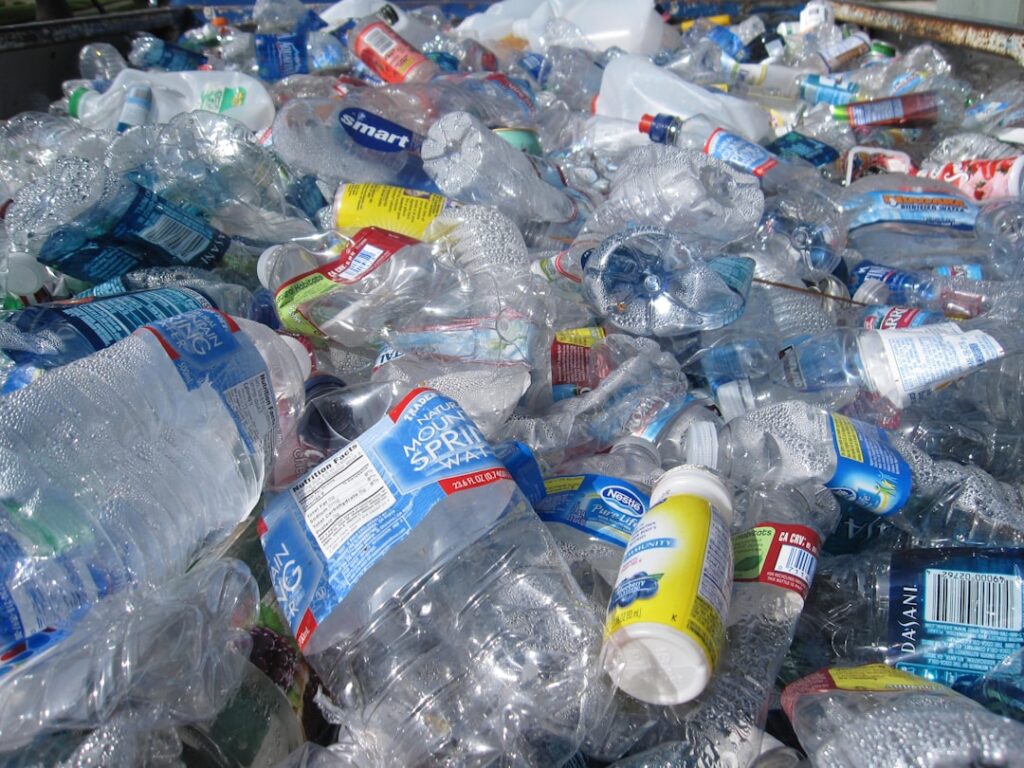
Order a meal in Malaysia and it will almost certainly arrive in plastic. A WWF-commissioned study from 2019 found the country has the highest annual plastic use per person among six Asian economies, at 16.78 kilograms. The others were China, Indonesia, the Philippines, Thailand and Vietnam.
Adrian Choo, who leads the Sustainable Markets Program at WWF-Malaysia, says the main cause of plastic leaking into the environment is weak waste management. The problem is common in low and middle income countries, where waste budgets are small or missing. “This includes inadequate waste facilities due to constraints in funding and manpower as well as a highly unregulated recycling market,” Choo said.
A fix on the table
The study describes an Extended Producer Responsibility scheme, which makes manufacturers answer for what happens to their products at the end of their life. One route would require money to go into collecting, sorting and recycling plastic, either nationally or through private ventures. That could also create jobs and, hopefully, raise safety and health standards in waste management.
Why so much plastic
Take-away and delivery are everywhere. It is hard to find a food outlet in Malaysia without one or the other, and COVID-19 has made staying home and ordering in more popular. More take-away means more plastic, which costs restaurants less and is easier to handle than paper or other materials.
Climate matters too. In Malaysia’s humid, tropical weather, food wrapped in paper would be more prone to pest contamination. Packing perishables separately would push up prices and might put buyers off. Plastic lengthens shelf life and keeps costs down.
Then there is enforcement. Recycling laws are poorly enforced and there is no clearly defined system. Low-value recyclables have no proper place to go when waste is separated. Waste management firms exist, but most prefer to import recyclables, and domestic ones are almost untouched. Many residential areas push recycling, yet most violators who sort incorrectly are not penalised.