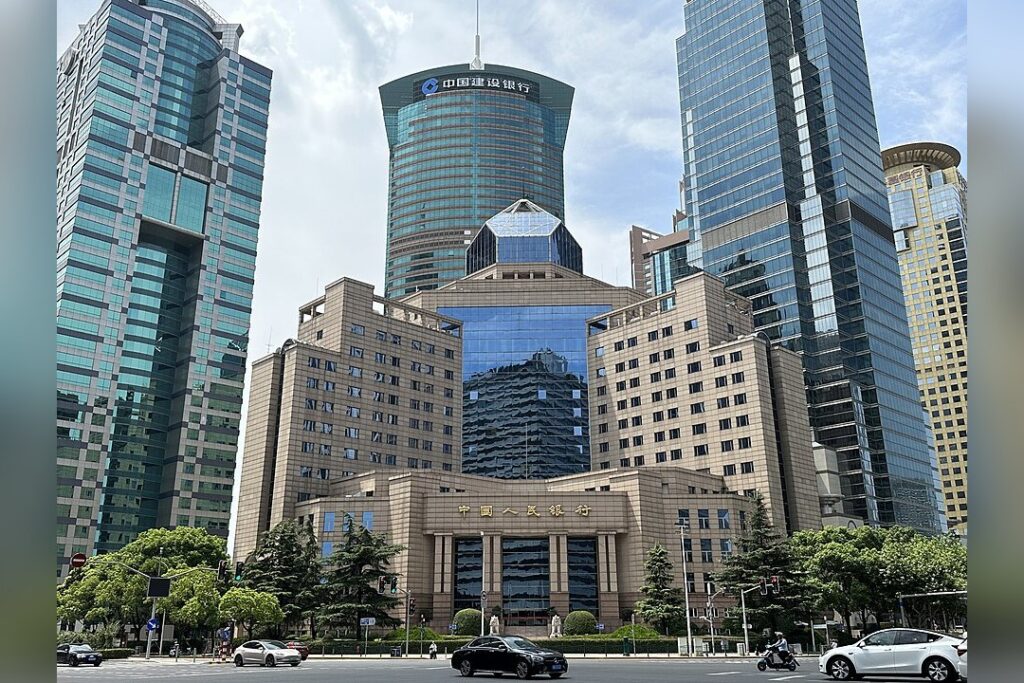
Between February 3 and February 13, the People’s Bank of China pulled 7.8 billion yuan ($1.1 billion) in cash out of Guangdong province. Nearly 3 billion yuan went back into circulation over the same stretch, the South China Morning Post reported.
The reason was the coronavirus. The bank’s Guangzhou branch ordered the destruction of all paper banknotes collected from hospitals, fresh food markets and buses in areas exposed to the outbreak, the Post said. Reports of the order surfaced on a Sunday.
Elsewhere the rules are different. Potentially contaminated bills from other hotspots, Hubei province among them, will be quarantined and sterilized before they go back out. Cash from lower-risk areas gets a week in quarantine. Deputy Governor Fan Yifei explained the process to reporters at a news conference, Bloomberg News reported. “Money from key virus-hit areas will be sanitized with ultraviolet rays or heated and locked up for at least 14 days before it is distributed again,” Fan said.
The government has also frozen the transfer and distribution of old cash across provinces, and between the cities hit hardest by the epidemic.
To keep money flowing, the central bank has sent 600 billion yuan ($85.6 billion) in fresh currency across the country since January 17, according to the Post.
The outbreak itself was still growing. China’s health authority put the mainland death toll at 1,770 from 70,548 cases, with a slight uptick in new cases on Monday. The outbreak began two months earlier.
Sources
- Coronavirus triggers China to destroy, quarantine cash in outbreak hotspots, reports say
- Chinese bank to destroy cash in areas hit by coronavirus
Sources
- Coronavirus triggers China to destroy, quarantine cash in …
- Chinese bank to destroy cash in areas hit by coronavirus