Meat, fruit, vegetables and seafood from Fukushima can now enter the Philippines, nine years after the 2011 earthquake and nuclear meltdown that led Manila to shut them out.
Japanese Foreign Minister Motegi Toshimitsu announced the change at a joint press briefing with his Philippine counterpart, Foreign Secretary Teodoro Locsin Jr. Motegi was in Manila for a two-day official visit. He said the lifting took effect “yesterday” and that Japan welcomed it.
“With this lifting, we hope that safe food from Fukushima as well as other parts of Japan will reach many people in the Philippines,” Motegi said.
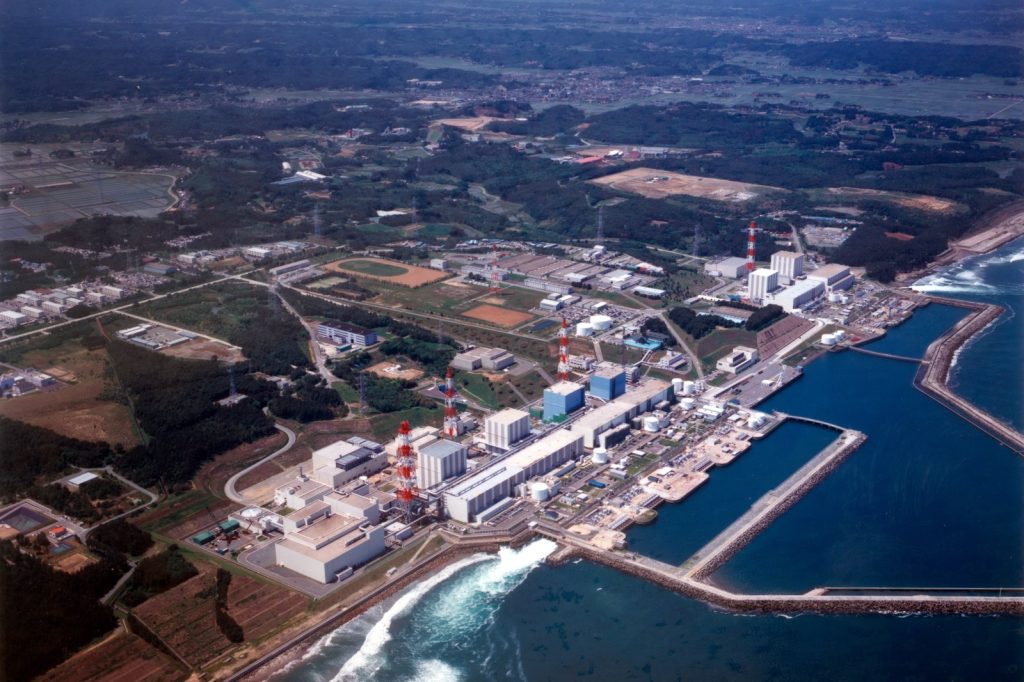
Japan’s embassy in Manila said the lifting covers meats, fruits, vegetables and seafood from the affected areas. The Philippines had imposed the ban after the Fukushima Daiichi plant failed in the disaster triggered by the Tohoku earthquake, and many countries did the same with Japanese products from the region.
The step comes after a partial one. In 2019 the Philippines let in several fish species from Fukushima: cherry salmon, sand lance, Japanese dace and ayu.
Seafood from Fukushima and the nearby prefectures of Ibaraki, Tochigi and Gunma had also had to pass radiation tests before entering the Philippines. The Japan Times, as relayed by the fisheries group ICSF, reported that the Philippines now considers the radiation risk negligible enough to drop that extra testing.
Tokyo had pressed Philippine officials for years to relax the rules, arguing that enough time had passed. GMA News said the move is seen as improving trade relations between the two countries. The foreign ministers also agreed to step up security and economic cooperation, with a focus on developing trade infrastructure.
Sources
- Philippines lifts import restrictions on Fukushima seafood – ICSF
- Philippines lifts ban on meat, other agriculture products from Japan