
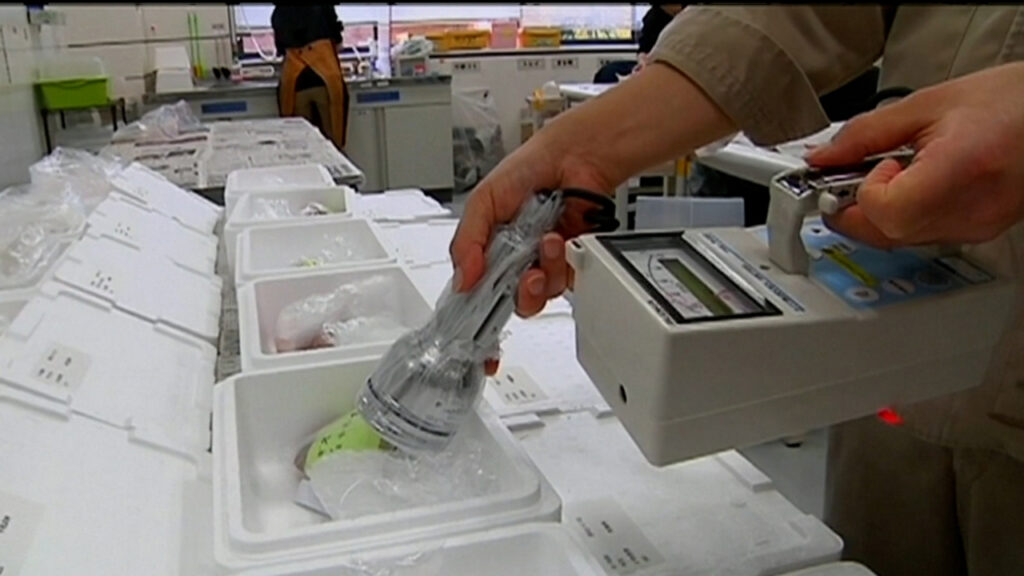
Philippine Foreign Secretary Teodoro Locsin said on Thursday that Manila has dropped the radiation test results it had demanded on Japanese food shipments since the 2011 Fukushima disaster. The requirement ended on Wednesday, he told reporters during a meeting in Manila with Japan’s foreign minister, Toshimitsu Motegi. He cited lower risks of radioactive contamination.
The rules had applied to beef and vegetables from Fukushima and Ibaraki, and to seafood from those two prefectures plus Tochigi and Gunma. They were put in place after the March 2011 triple meltdowns at the Fukushima Daiichi plant, which followed a powerful earthquake and tsunami.
“I look forward to safe Japanese food reaching many of the people of the Philippines,” Motegi told a joint press briefing afterward.
The paper trail
The Department of Agriculture put the change in writing. In memorandum order no. 1, series of 2020, Agriculture Secretary William D. Dar stated that the “certificate of radiation analysis and certificate of origin for the importation of Japanese commodities are no longer required.”
Before issuing it, the department had ordered its standards bureau to run a food safety risk assessment of radionuclides in fish, beef, apples and pears from Japan. The assessment found “no significant food safety threat” in those products, the order said.
The old rules came from two 2011 orders. Memorandum order no. 12 required a certificate of radiation analysis for plants, planting materials and plant products from the Fukushima area, plus certificates of origin for imports from other prefectures. Order no. 14 covered dairy products and animal feed not from Fukushima and Ibaraki, which needed a certificate of origin and a certificate of declaration.
Other countries and a bridge loan
Fifty-four countries and regions took such measures after the crisis. With the Philippines out, Japan’s farm ministry counts 20. The United States, China and South Korea are among those that keep restrictions of some kind.
The two ministers also agreed to step up security cooperation, with an eye to countering China’s militarization of artificial islands in disputed parts of the South China Sea, and to boost economic cooperation, including on infrastructure. After the meeting they signed an agreement under which Japan will provide a low-interest loan of up to 4.4 billion yen ($40 million) to reinforce major bridges in Manila.




