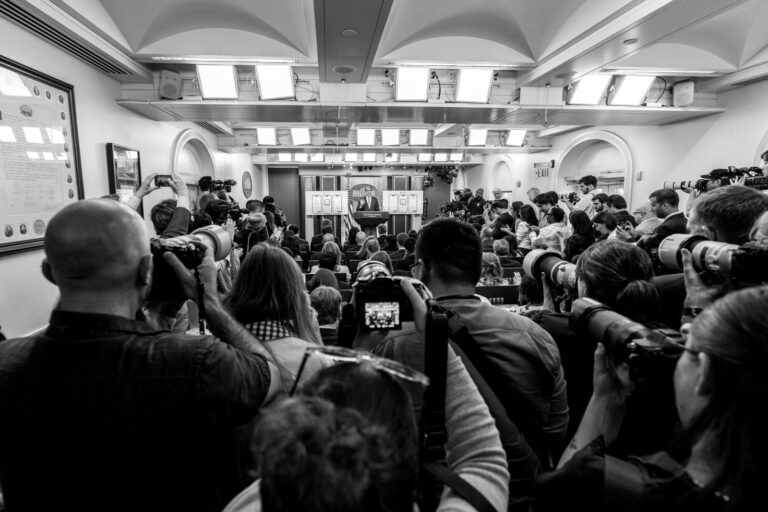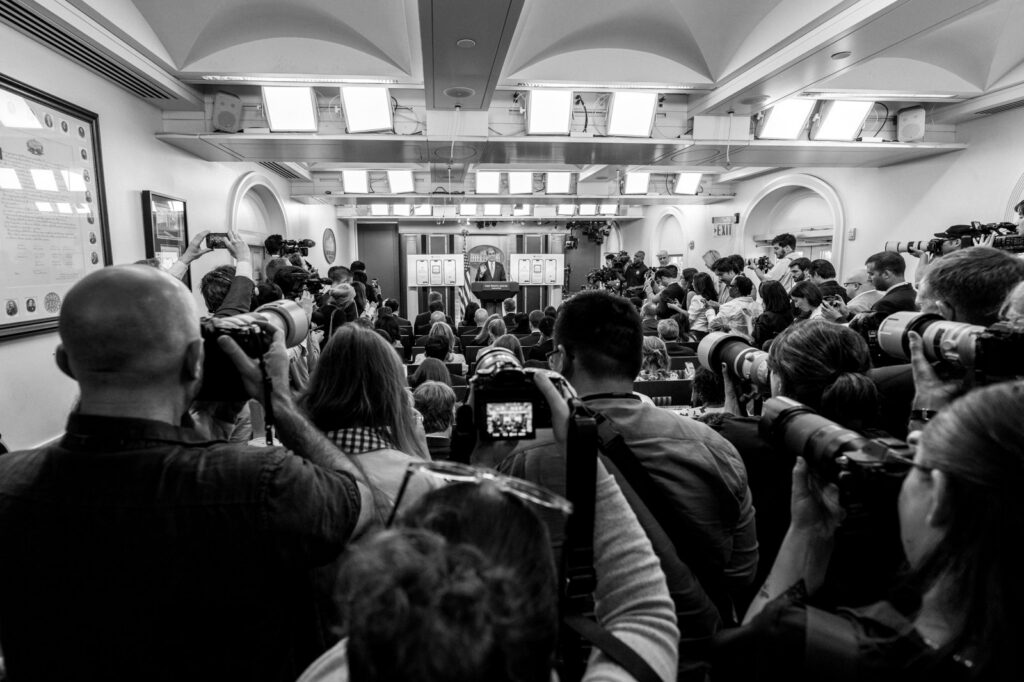
Treasury Secretary Scott Bessent called Tuesday for a “more balanced relationship” between the United States and China, arguing that Americans have grown too dependent on imports while China relies too heavily on foreign demand. Speaking at a gala hosted by the National Committee on U.S.-China Relations in a New York ballroom, Bessent said the United States must produce more of what it consumes and China must consume more of what it produces, framing the shift as a restoration of a “spirit of reciprocity” rather than hostility.
The Core Imbalance
Bessent defined the trade imbalance in stark terms: the American economy has grown too dependent on foreign supply, while China has become increasingly reliant on foreign demand. He described the relationship as “one of this century’s most consequential relationships” and portrayed ties between President Donald Trump and Chinese leader Xi Jinping as a genuine friendship. Chinese Ambassador Xie Feng echoed the language of reciprocity, telling the room that “China and the United States stand to gain from cooperation and lose from confrontation.” Xie added that “the great rejuvenation of the Chinese nation and making America great again can complement each other.”
The ‘Treasury Twist’ and Fiscal Pressure
Bessent’s push for rebalancing arrives as his own domestic debt management strategy faces scrutiny. Over the summer, Bessent executed what he called a “Treasury twist,” buying back longer-dated, higher-yielding Treasuries and replacing them with cheaper, short-term debt. The Congressional Budget Office reported a federal deficit of $409 billion in October 2026 — more than $100 billion a week — marking a $125 billion increase from the same month a year earlier. Revenues fell $36 billion while outlays rose $89 billion. JPMorgan’s James Sullivan likened the strategy to “paying your mortgage with your credit card,” warning the mismatch would eventually become more obvious. While the move helped smooth long-dated yields, the CBO noted the fiscal year 2026 deficit hit 6.2% of GDP, well above the 50-year average of 3.8%.
Political Constraints and the Shenzhen Meeting
Bessent heads into high-stakes talks with weakened political cover. The Democratic landslide in the November midterm elections has eroded his party support, raising questions about Washington’s ability to deliver durable commitments. “It’s hard for Bessent to say now that he can promise any sort of deliverable with the Chinese side when he meets He Lifeng, given that there’s great uncertainty for the Trump administration’s China policy,” said Dexter Roberts, a senior fellow at the Atlantic Council’s Global China Hub. Bessent is scheduled to meet Vice-Premier He Lifeng in Shenzhen later this month ahead of the APEC summit. Trump is expected to travel to Shenzhen next week to meet Xi for the third time this year. A fragile trade truce between the two nations is set to expire in January 2027.
Market Skepticism
Analysts remain doubtful that the rhetoric of reciprocity will translate into structural change. The uncertainty surrounding the Trump administration’s China policy, compounded by the midterm results, makes it difficult for Bessent to offer concrete assurances. Last week, U.S. Trade Representative Jamieson Greer pressed He Lifeng on a video call for “concrete actions to fully implement its past commitments, particularly as they relate to agricultural purchases, rare earths, and other critical minerals.” China’s official Xinhua news agency countered that Beijing expressed concerns about Washington’s restrictive economic and trade measures. Bessent was confirmed as the 79th Treasury Secretary on January 27, 2025, by a 68–29 vote, becoming the first openly gay person to lead the department.
Sources
- Treasury Secretary Scott Bessent calls for more balanced US-China trade ties ahead of Trump-Xi talks – AOL
- Scott Bessent
- What does midterm humbling mean for Bessent ahead of US-China trade talks?
- Treasury Secretary Scott Bessent calls for more balanced US-China trade ties ahead of Trump-Xi talks
- US-Iran War Live Updates: US Treasury Secretary Scott Bessent Relocates To Military Base Amid Iranian Death Threats
- After a summer of reorganizing public debt, the Treasury borrowed more than $100 billion a week in October | Fortune
Photo: Abe McNatt (Public domain (US government work))