BEIJING, October 27, 2026 — China’s political elite have convened for a four-day closed-door meeting to address party discipline and anti-corruption measures. The fifth plenum of the Central Committee is widely viewed as a mechanism to ensure policy alignment ahead of President Xi Jinping’s expected bid for a fourth term next year.
A Focus on Party Governance
Roughly 300 members of the Communist Party’s Central Committee began the gathering on Monday. According to China’s official Xinhua News Agency, President Xi opened the proceedings by delivering a work report and introducing a draft policy decision centered on “full and rigorous party self-governance.” This initiative aims to increase the effectiveness of cadres while reducing corruption within the ranks.
For all the noise surrounding the event, the salient point remains the consolidation of ideological commitment. Ruby Osman, a senior policy adviser at the Tony Blair Institute for Global Change, noted that the plenum provides a platform to ensure that rising generations of officials share Xi’s assessment of the risks and opportunities facing the country. The meeting serves as a test for officials, who are evaluated not only for their loyalty but also for their compliance and ability to execute directives.
Purges and Personnel Shifts
The current political climate is defined by an extensive anti-corruption campaign that has lasted 14 years and resulted in the removal of thousands of officials. Notably, the scale of these investigations has left the Central Committee with its lowest turnout since the death of Mao Zedong in 1976. Eight seats on the committee currently sit vacant, while another 15 members remain under investigation and face potential replacement.
The military sector has seen particularly significant turnover. According to Neil Thomas, a senior fellow at the Asia Society Policy Institute, 42 of the 44 military-affiliated officials elected to the Central Committee in 2022 have been purged. This crackdown has reached the highest levels of the armed forces, targeting five of the seven members of the Central Military Commission.
The Search for Compliance
President Xi has previously expressed frustration with officials who appear to follow orders while inwardly resisting or acting with political opportunism. In a January speech published in the Qiushi Journal, Xi cautioned against “two-faced” individuals and emphasized the need to promote cadres who are consistent in word and deed. The party’s definition of corruption has evolved under his leadership to include policy insubordination and dereliction of duty.
Analysts suggest that the current disciplinary push is designed to build a system capable of sustaining Xi’s political priorities across future leadership cycles. Neil Thomas expects the plenum to produce demands for stricter scrutiny of public spending and a greater reliance on technology to identify corruption. As the party prepares for the congress scheduled for next fall, the emphasis remains on ensuring that local and provincial officials implement the central government’s export-driven growth strategy without deviation. Whether this pressure will result in a more efficient bureaucracy or simply a more cautious one is a question that continues to occupy observers of the Chinese political system.
Expanding the Definition of Misconduct
The scope of disciplinary actions has broadened significantly beyond traditional graft. In recent years, the number of officials punished for “formalism” and “bureaucratism” has surged. These categories encompass misconduct such as dereliction of duty, inaction, and reckless acts that seriously hinder development. This shift indicates that the party’s definition of corruption now includes policy insubordination and failures in administrative execution, not just financial impropriety.
Mingda Qiu, a senior analyst at Eurasia Group’s China practice, noted that Beijing has been building this agenda for months. He stated that the message is clear: the anti-corruption campaign is not winding down. Officials are now tested not only for loyalty but also for compliance and action. This approach aims to ensure that directives are executed at the provincial and local levels without deviation.
Osman added that these disciplinary crackdowns are now aimed more at institutional longevity rather than simply purging elite rivals. She explained that the goal is to build a disciplined system capable of sustaining political priorities across leadership cycles. Record-high disciplinary campaigns, she noted, do not necessarily mean a rebound in corruption, but rather that the bar for the party’s expectations of officials has been steadily raised.
Sources
- China’s political elite gather for talks on Communist Party discipline
- What to know about China's plenum as Xi seeks stronger party discipline
- Xi Redoubles Anti-Corruption Efforts at Fifth Plenum – Domino Theory
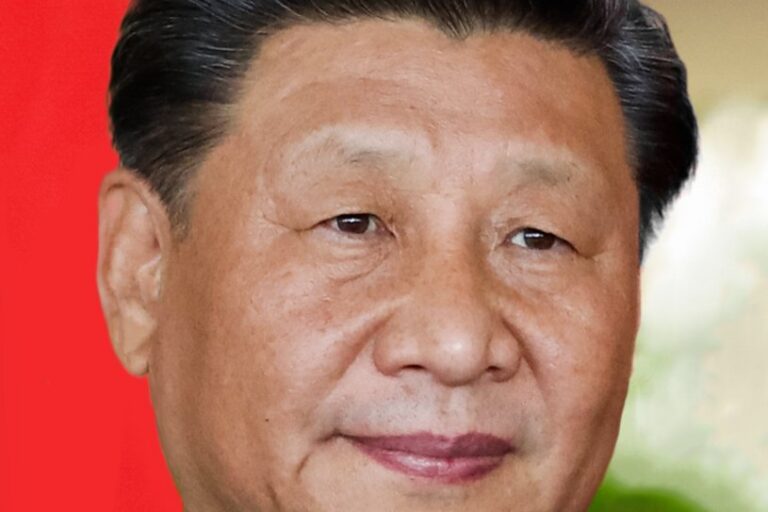
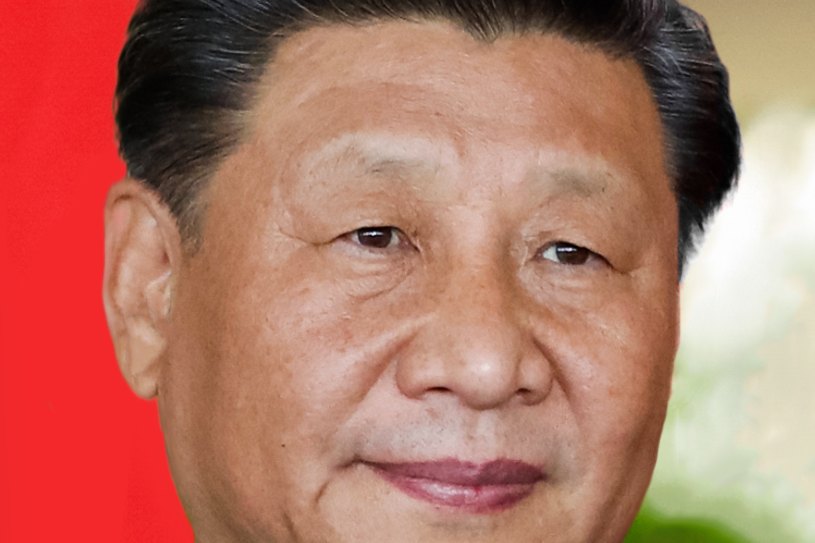
Photo: Palácio do Planalto (CC BY-SA 4.0)