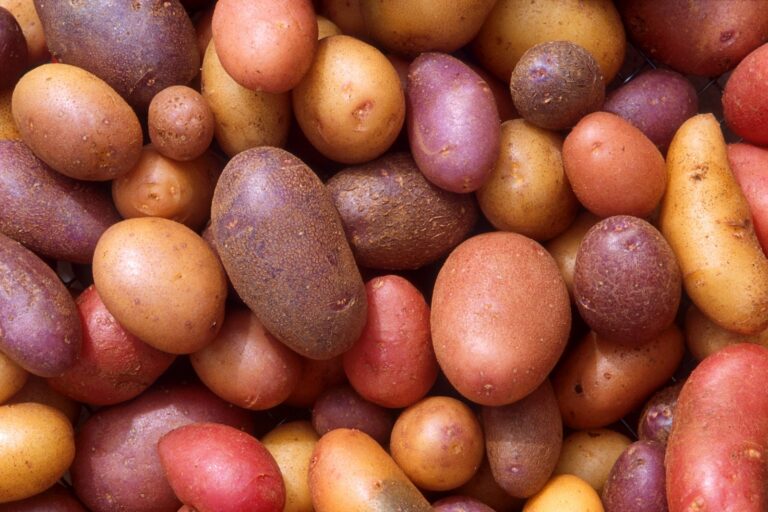
The Japanese market for fresh U.S. table-stock potatoes could be worth $150 million to $200 million a year, according to the National Potato Council. American growers cannot sell into it. Japan has banned imports of the fresh product for more than 30 years, and in the week of October 12 a team of U.S. potato industry representatives went to Tokyo to push for full access.
Three Decades of Delay
Kam Quarles, the council’s chief executive, joined the trip. In his account, industry experts helped U.S. trade officials press Japanese counterparts in a bilateral meeting where fresh potatoes ranked as the top American priority. The argument was that Japan should follow international, science-based standards and honor its trade commitments. Quarles says Japan has delayed technical reviews throughout the period “despite standing commitments,” and that the ban violates them.
His case rests on the World Trade Organization’s Agreement on Sanitary and Phytosanitary Measures, which forbids members from keeping trade barriers without sufficient scientific justification. Japanese officials say lifting the ban raises plant health concerns. Quarles answers that U.S. potatoes are exported safely to many other countries, and that not a single U.S. potato export has ever led to a pest introduction in a foreign production area.
Hokkaido and Tokyo
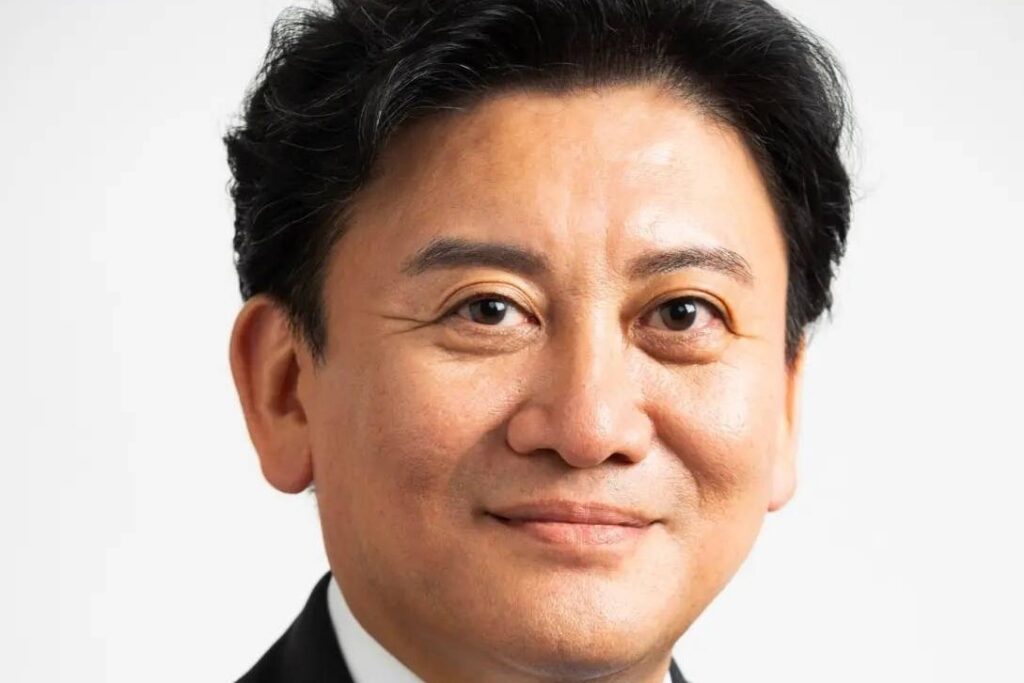
The politics were visible during the visit. According to The Japan Times, newly appointed Agriculture Minister Arata Takebe told parliament on October 16 that discussions on lifting the ban will take “considerable time.” Takebe represents a district in Hokkaido, which grows roughly 80 percent of Japan’s potatoes and strongly opposes U.S. imports.
Prime Minister Sanae Takaichi, asked about the 30-year process, said: “To protect Japanese agriculture and ensure our food security, the government will respond to these negotiations with caution and a firm stance.” An editorial in the Nikkei newspaper last month went further, saying the process is moving too quickly. “Such a move can only be described as hasty,” it said.
Nobuhiro Suzuki, a professor and expert on Japan-U.S. agricultural negotiations, was quoted in a Japan Agricultural News op-ed calling potatoes “the last stronghold of Japanese agriculture.” He drew on the history of openings for beef, oranges and rice.
What Washington Wants
Quarles says Japan keeps demanding unscientific burdens that it would never ask of its own growers, and that Japanese industry could not meet. For the council, he writes, that shows politics and protectionism, not science, driving the stance. The group continues to work with officials at the USDA and the Office of the U.S. Trade Representative to secure reciprocal market access.
Sources
- China–United States relations
- Understanding Trump's tariff reversals
- Opinion: Pressing Japan to honor market access commitments
Photo: 農林水産省 (CC BY 4.0)