
The story begins on January 24, 2025, with a records request. Citizens for Responsibility and Ethics in Washington, a nonprofit known as CREW, asked for expedited processing of information about the Department of Government Efficiency, including its structure and its communications with other agencies. When the documents did not come, CREW sued.
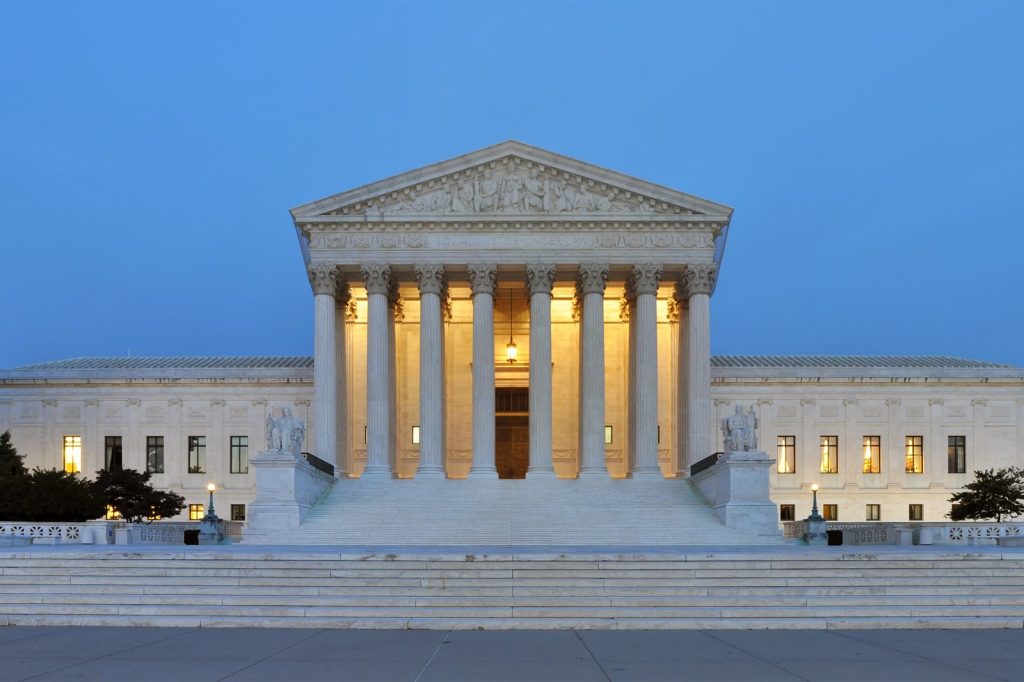
On Tuesday, October 13, 2026, the Supreme Court agreed to hear the case. It is the second time the justices have stepped into this fight, and this time the Trump administration asked them to.
The question underneath
At its heart is a plain question with large consequences: is DOGE, the initiative Elon Musk spearheaded, a federal agency subject to the Freedom of Information Act? CREW says yes. The administration says no, arguing that DOGE was a presidential advisory body and therefore outside the law’s reach.
What the court will decide now is narrower. The issue before it is discovery, the stage where each side collects records and testimony. Without it, CREW says, the public cannot learn how DOGE actually operated. Margaret Kwoka, a law professor at Ohio State who backed CREW with an outside brief, put it this way: “Because so much about how DOGE operated … was not publicly explained, discovery is the only way to unearth key facts.”
How it got here
On April 15, 2025, U.S. District Judge Christopher Cooper ruled that the case could go forward to discovery. The Justice Department appealed in May, and the Supreme Court paused the orders on May 23. In June, it told the appeals court to narrow the requests, finding that those about DOGE’s recommendations and whether agencies followed them were “not appropriately tailored.”
CREW pared its requests back, and the D.C. Circuit upheld them. Back came the administration. It argues the appeals panel ignored the Supreme Court’s instructions on separation of powers and intruded on the “autonomy and confidentiality” of presidential advisers. It also objects to a sworn deposition of Amy Gleason, DOGE’s acting administrator. Justice Department lawyers wrote that “subjecting advisory bodies to intrusive discovery triggers the very concerns that Congress sought to avoid.” Solicitor General D. John Sauer warned of burdens on future administrations.
CREW says the lower court did exactly what the justices told it to. Its attorneys wrote that “undisputed facts in the public record” showed DOGE “wielding enormous independent authority across the federal government.” CREW attorney Nikhel Sus said, “We will continue to pursue transparency for the American people.”
What is at stake
Sara Creighton, a Georgetown Law professor, warned that a ruling that DOGE is outside FOIA could invite future presidents to build entities inside the Executive Office of the President that do real work but sit beyond public records law. No date has been set for oral arguments. A ruling is expected by late June or early July 2027.
Sources
- Supreme Court Agrees to Hear Watchdog Lawsuit Seeking Records on Elon Musk’s DOGE
- Supreme Court agrees to hear DOGE transparency lawsuit involving Elon Musk, Trump
- Can the Public See DOGE Records? The Supreme Court Takes Up a Key Fight – TIME




