Most of Nike’s stores in Greater China “have not been refreshed in the past seven years,” CEO Elliott Hill admitted on the company’s earnings call. The same week, Nike said it would run the region from somewhere else entirely.
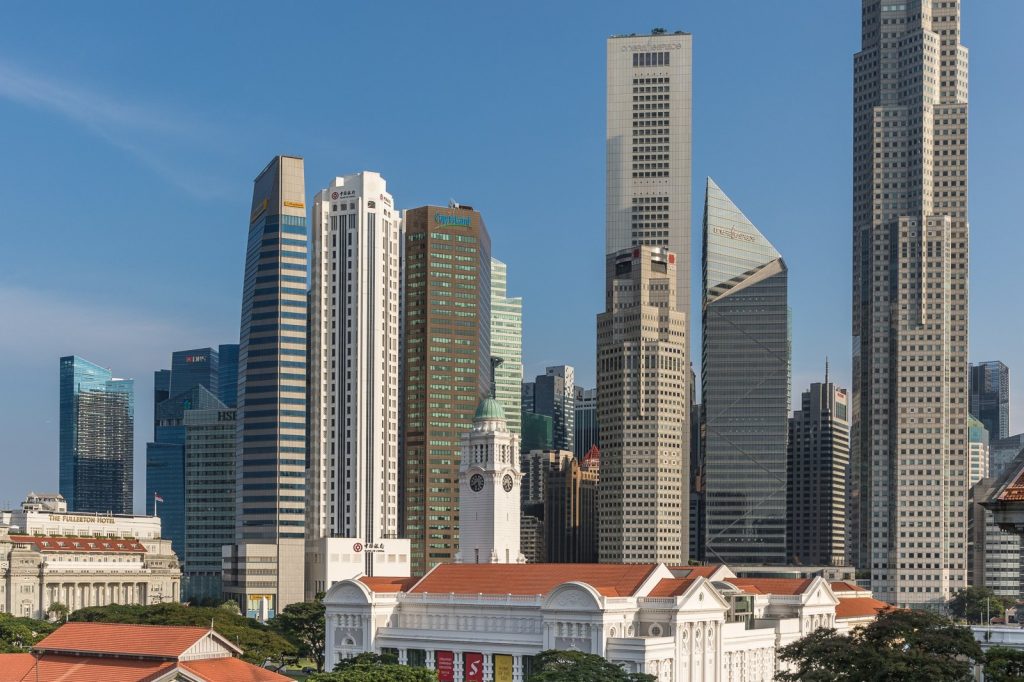
In a note to employees on October 1, 2026, Hill announced an operating model called Pace. It splits the company into three geographies: Americas, covering North America and Latin America; EMEA, which continues as it does today; and APGC, which joins Asia Pacific with Greater China. The APGC leadership team will sit in Singapore, and some roles that now support the region from Beaverton, Oregon, will move closer to the athletes and markets they serve. Nike expects teams to shift into the new formation in Fiscal Year 2028.
What else Pace covers
Pace has four priorities, the note says: modernizing the supply chain, organizing into three geographies, opening a new campus in Bengaluru, India, and changing work and workforce. Hill said it will mean fewer roles over time. Decisions on affected jobs will start in calendar year 2027 and beyond, he wrote, and he called any media figures on job impacts speculative because the number of roles and their locations are not yet known. More detail is due at an Investor Day on Nov. 16-17.
The China problem
WWD reported that Nike “continues to have a Greater China problem.” Revenue in the region fell 22 percent in the first quarter ended Aug. 31, or 26 percent excluding currency changes. Hill told analysts that China remains “an incredibly important marketplace,” noting that this is Nike’s 45th year of doing business there.
He laid out two fixes. One is a tighter digital presence built around Nike flagships, leaving top retail partners to build “inspirational brick-and-mortar retail experiences.” The other is “being more local”: product creation teams on the ground in China working on future seasons. The first result, a collection called Made for China, arrives in November in physical stores only. After that, new products are to be locally designed, developed and even manufactured in China.
Doubters
Outside voices were sharper. Colby Howard, president of Heron Events at Heron Intelligence, said that putting Greater China inside a wider Asia-Pacific structure can save money, but that former Nike executives his firm interviewed see China as the place where Nike can least afford to be generic.
The Singapore move worried him more. “Our sources see real risk in it,” Howard said. When work leaves a market like Shanghai and is run from Singapore, he said, “you lose that local relationship,” and in China that connection is “almost more important than the product itself.” His verdict: “Cutting costs is necessary. Cutting the people who know the market is the danger.”
Patrick Ricciardi, an analyst at Third Bridge, noted that Nike has no regional presidents. Regional leaders report straight to Hill, a setup one expert said “will either work tremendously or fail tremendously.” Ricciardi’s contacts concluded that a massive overhaul of the Greater China operation is needed and could take “at least two to three years.”
Greg Zakowicz, a retail adviser at Omnisend, said he is not convinced Nike “has a plan to tackle these challenges.” For Howard, the real test for APGC is whether Nike China can keep its local voice.
Sources
- Nike's Asia Pacific, Greater China Plan in Singapore Raises Doubt – WWD / Footwear News
- NIKE, Inc. Announces Changes to Its Operating Model