
Apple’s China shipments rose 28% in the fourth quarter of 2025, in a market that shrank. That was enough to put it back in first place with a 22% share, according to Counterpoint Research data reported by MacRumors in January.
The backdrop was weak. Chinese smartphone shipments fell 1.6% year over year in the quarter and 0.6% for the full year. Counterpoint put the blame mainly on rising prices linked to escalating memory costs, which dampened consumer demand. Memory chip shortages have also added supply-chain pressure.
What lifted Apple
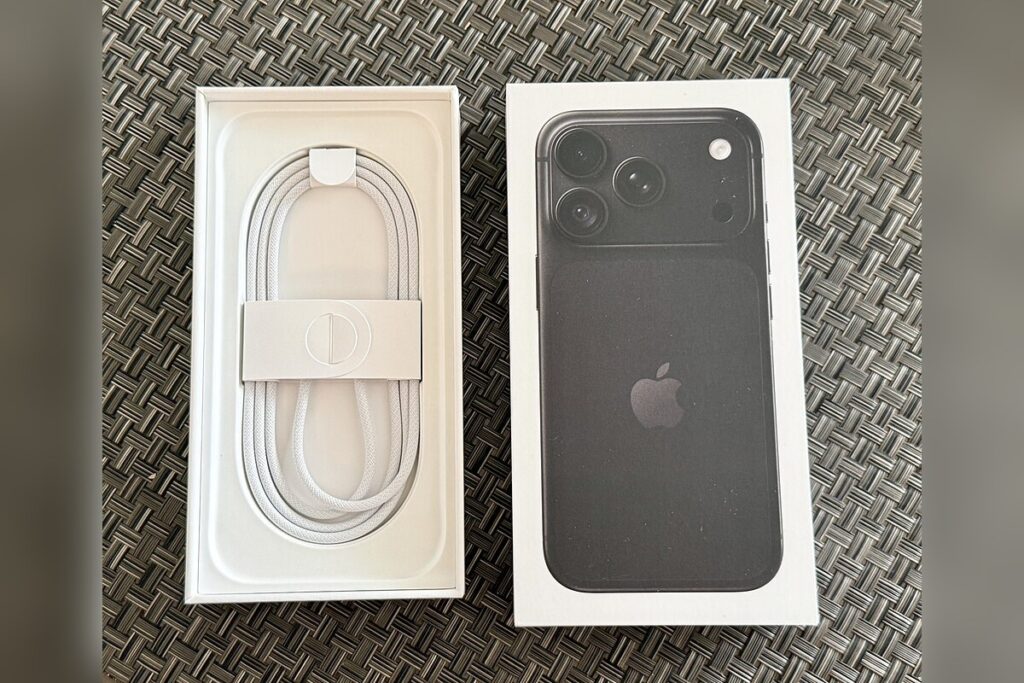
Counterpoint credited strong demand for the iPhone 17 lineup, which made up roughly 20% of Apple’s China shipments in the quarter, with buyers concentrated in the Pro models. Apple also ramped up supply late in the year and met holiday demand better than some rivals held back by component availability. Earlier in 2025, domestic competitors had led it.
The iPhone Air was the exception. It took only a low single-digit share of Apple’s China shipments after its debut, which Counterpoint attributed to a later launch than in other regions and to perceived trade-offs between the ultra-thin design and the overall feature set.
The full-year picture
One strong quarter did not make Apple the leader for 2025. Huawei finished first in China with 16.4%, followed closely by Apple and vivo at around 16% each. Xiaomi and Oppo trailed at roughly 15% each. Apple did narrow the gap.
Globally, IDC’s tracker shows smartphone shipments reached 1.26 billion units in 2025, up 1.9%. Apple remained the largest vendor, shipping 247.8 million iPhones for a 19.7% share, up 6.3% on the year. Samsung came second with 241.2 million units and 19.1%. Xiaomi was third with 165.3 million and 13.1%, despite a decline.




