
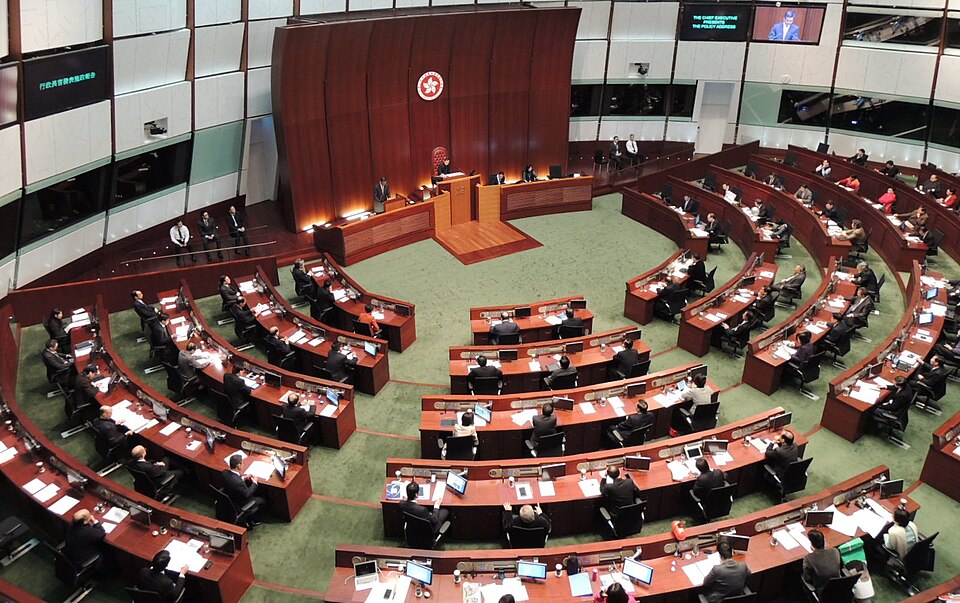
On Wednesday, September 16, John Lee stood before Hong Kong’s Legislative Council and unveiled something the city had never had: a five-year plan. Hong Kong’s chief executive said it aims to make breakthroughs in economic development, enhance competitiveness, improve social well-being and achieve progress in “integrating into and serving national development.”
The step is symbolic, and it echoes Beijing’s way of planning. Mainland China approved its 15th five-year plan for 2026 to 2030 in March. Hong Kong, by contrast, has long prided itself on minimal government intervention. Before the launch, the city government said the plan was a framework of strategic priorities, not a planned economy, and insisted the capitalist system would stay.
Beyond finance
The plan tries to widen what Hong Kong is known for. Finance stays: the government wants to strengthen the city’s role in international finance, maritime, trade and aviation, and as the world’s largest offshore hub for the renminbi. It will also explore settling some government spending in the currency where appropriate. But technology and higher education are now meant to stand beside it.
The centrepiece is the Northern Metropolis, near the tech hub of Shenzhen. Lee’s predecessor Carrie Lam first floated it in 2021. It would supply land for innovation and technology industries and host three university towns, each with its own focus, one of them on artificial intelligence and robotics. The aim is 650,000 jobs and homes for 2.5 million people.
One target is measurable. Domestic spending on innovation activities stood at 1.63% of gross domestic product in 2024, and the government wants 3% after 2030.
What it means for Lee
Observers are asking whether Lee will use the plan and his latest policy proposals to build momentum for a second term next year. He is a former security chief who delivered Beijing’s long-standing demand for a homegrown national security law in 2024. Officials said that law and a China-imposed one were needed for stability after the massive anti-government protests of 2019.
He also faces pressure to set Hong Kong apart from regional rivals and mainland metropolises, particularly now that Beijing’s tightening grip has tainted the city’s image as a freewheeling financial center.




