SAHARSA, July 11 — A wedding feast in Bihar’s Saharsa district turned into a violent confrontation Thursday after the groom’s party discovered chicken on their plates instead of the promised mutton. The economic stakes of such arrangements in rural India are significant. Food at a wedding is not merely sustenance; it is a display of social standing, a contractual expectation between families, and often a line item that can strain household budgets for years.
When that contract is perceived as broken, the result can be explosive. The incident occurred in Simri Bakhtiyarpur town following the nikah of Mohammad Abdullah, also known as Chand, the son of Mohammad Anwar, with the daughter of Mohammad Javed, also known as Moto.
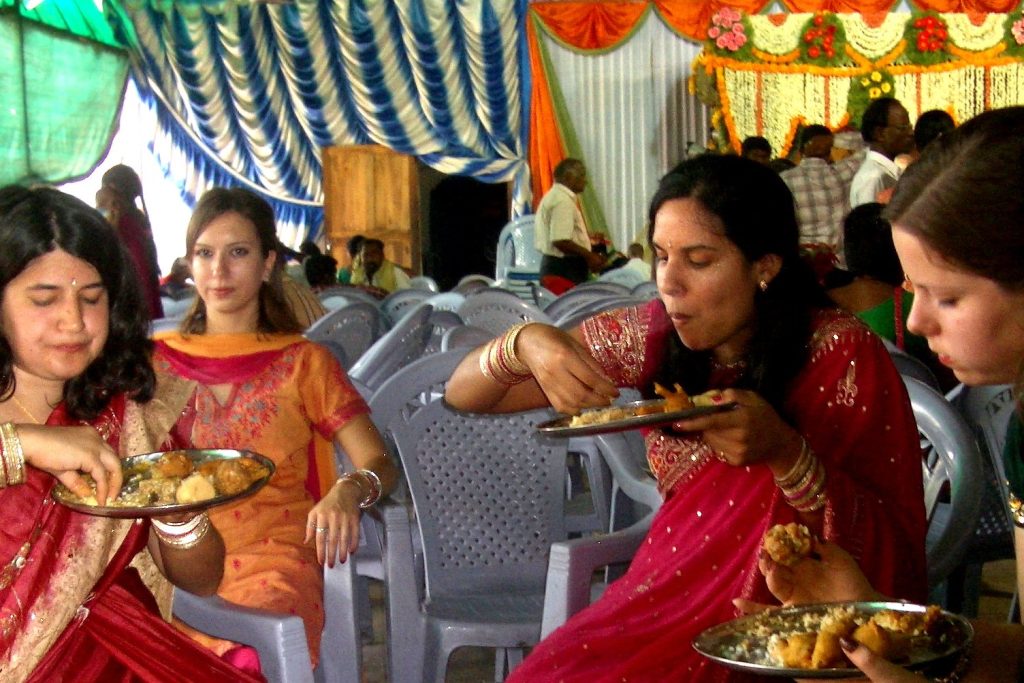
Officials stated that the wedding ceremony itself concluded peacefully. The trouble began during the post-nikah feast, a meal that traditionally serves as a public confirmation of the families’ mutual respect and generosity. Family members from the groom’s side said they had been assured that mutton would be served to the baraatis, the wedding procession guests.
Mutton carries a higher market price and greater cultural prestige than chicken in much of Bihar’s Mithila region. When lunch was served and guests found chicken on their plates, a heated argument erupted.
The dispute quickly escalated beyond words. Around a dozen people were injured in the clash, which involved the use of sticks, known locally as lathi. The bride’s family and the groom’s relatives fought, and local authorities intervened to control the situation.
Video of the event was captured and shared on social media, including a tweet from the account @newsmanchh.
Agricultural Economy and Social Contracts
Saharsa district sits in the Mithila region of Bihar, a largely agricultural area with a population of approximately 1.9 million as of the 2011 census. Rice and wheat are the major crops. The local economy is tied to the monsoon cycle, land holdings, and market prices for staples.
In such an environment, a wedding feast is one of the few occasions where a family can publicly signal its economic standing. The choice of meat—mutton versus chicken—is a direct signal.
Mutton is more expensive, less commonly consumed, and reserved for major celebrations. Chicken is more affordable and everyday. The substitution, whether due to cost-cutting, supply issues, or a simple miscommunication, was interpreted by the groom’s side as a breach of social contract.
This is not an isolated dynamic. Across rural India, wedding agreements often include detailed specifications about the menu, the number of dishes, and the quality of ingredients.
These terms are discussed and agreed upon during the negotiations between families, sometimes weeks or months before the event. The bride’s family typically bears the cost of the feast, and the menu is a point of pride and scrutiny. A deviation from the agreed menu can be seen as a public slight, a sign that the bride’s family does not value the groom’s family as they had claimed.
Officials noted that local authorities managed to bring the situation under control. The wedding was held in Simri Bakhtiyarpur town, a location within Saharsa district.
Cultural Significance and Market Realities
The clash highlights tensions that can arise from unmet expectations in wedding arrangements, a common cultural practice in rural India where food is a significant aspect of celebrations. For a journalist covering Central Asian and South Asian trade, the incident reflects a deeper economic reality. The price of mutton in Bihar fluctuates with feed costs, transport logistics, and seasonal demand.
During the wedding season, demand spikes, and prices can rise sharply. A family that budgeted for mutton weeks earlier may find that the cost has increased by the time of the event.
Whether the substitution in Saharsa was driven by price volatility, a supply shortage, or a deliberate decision is not stated in the source. But the economic pressure on families is real and measurable. In Kazakhstan, where I report from, similar dynamics play out during major life events.
The cost of a sheep for a wedding or funeral is a known variable in household planning. When prices rise unexpectedly, families sometimes substitute with cheaper meat, and this can lead to disputes.
The difference is that in Kazakhstan, the groom’s family often provides the livestock. In Bihar, the bride’s family typically provides the feast. The direction of the obligation is reversed, but the economic logic is the same: food is a currency of respect, and its value is measured in market terms.
The incident also underscores the role of social media in amplifying local disputes. The video shared online from the account @newsmanchh has likely spread beyond Simri Bakhtiyarpur, drawing attention to an event that might otherwise have remained a local matter. For the families involved, this public exposure adds another layer of consequence.
The groom’s family and the bride’s family now face scrutiny not only from their immediate community but from a wider audience. The economic and social costs of the dispute have multiplied.
What to Watch Next
The immediate aftermath will likely involve local mediation by community elders or police. The families must decide whether to proceed with the marriage or to separate, a decision with significant financial implications. Wedding expenses in rural Bihar often involve loans, savings, and contributions from extended family.
A cancellation would mean lost investment in the ceremony, the feast, and the gifts. The bride’s family, in particular, would face the burden of having hosted a wedding that ended in violence and public shame.
For observers of South Asian markets, the incident is a reminder that food prices and social stability are connected in ways that are not always visible in trade data. The price of mutton in Bihar’s wholesale markets is a number in a spreadsheet. But for the families in Simri Bakhtiyarpur, it was the difference between a peaceful celebration and a violent confrontation.
The wedding feast, intended to be a moment of unity, became a point of fracture. The economic stake in that feast was not just the cost of the meat, but the social standing, the family honor, and the future of a marriage.
Sources
- 12 injured in Bihar wedding clash after guests served chicken instead…
- Chicken replaces mutton, wedding feast ends in brawl in Saharsa