
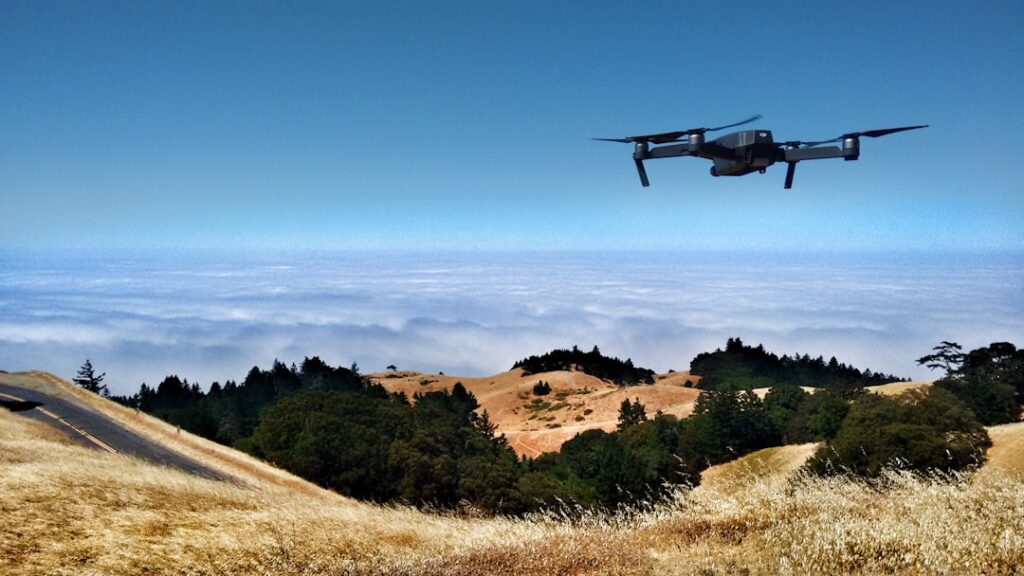
Send a drone out of Beijing for repair and you now have to collect it in person. A courier will not do. That small rule says a lot about how tightly the Chinese capital has locked down its skies.
New regulations took effect on Friday, 1 May 2026, as the BBC reported on 30 April. Drones and their key components can no longer be sold, rented or brought into the city, and owners must register their devices with the police.
What the rules say
The Beijing Public Security Bureau has since published a reminder of the main points. The whole administrative area of the city counts as controlled airspace. Every outdoor flight needs prior approval, and the bureau stressed that there is no area where a pilot can fly without it. Neither shops nor online platforms may sell or rent drones to buyers in Beijing.
Travellers are covered too. Entering the city by high-speed rail, intercity bus, plane or private car, even only passing through, counts as carrying a drone, and bringing one in, along with its core components or remote controller, is strictly prohibited. Local operators may take a drone out of Beijing and back in only if it has already been verified with the police, and they must contact their local police station before leaving.
Local users had to complete real-name registration by 30 April 2026. The police also asked them to finish information verification within three months of the rules taking effect. Anyone who illegally carries a drone into the city can be ordered to put things right. In serious cases the authorities may seize the equipment and fine the owner between 500 and 10,000 RMB. Drone users must also complete an online training session and pass a test on the regulations, the BBC said.
There are exceptions. Drones may still be bought and kept for purposes such as counter-terrorism, disaster relief, rescue, research and education, but only after an application and assessment.
A market that is hard to ignore
The BBC noted that China has tightened drone rules step by step in recent years, citing public safety. Beijing’s whole airspace was designated a no-drone zone last year, with approval needed from air traffic authorities. City lawmakers approved the new restrictions in March. At that point authorities said drone management had to be strengthened to meet “challenges” in low-altitude airspace safety. Xiong Jinghua, a senior official in the Beijing Municipal People’s Congress, said the goal was to “strike the best balance” between safety and technological and economic progress.
The stakes for industry are large. Drones and flying taxis belong to the so-called low-altitude economy, a strategic priority for China that is expected to generate more than two trillion yuan ($290bn; £217bn) by 2035. In some cities drones deliver food, spray crops and clean buildings. Government data show more than three million registered drones in the country, and China is home to DJI, the world’s largest drone maker. DJI shops in Beijing were reportedly taking drones and related products off their shelves as the deadline approached.
Anyone with a question about the rules can call 110, the bureau said.
Sources
- Beijing Public Security Bureau Reminder on the New Drone Regulations in Beijing (1.5.2026) | Ministry of Foreign Affairs
- China to ban drone sales in Beijing citing security concerns




