
The mechanics here are simple enough: expect a major diplomatic event, clear the campuses. Universities across Islamabad and Rawalpindi announced sweeping schedule changes on Saturday, moving classes online and postponing examinations, all ahead of the anticipated last, decisive round of talks between Iran and the United States, expected in Islamabad. No official timeframe for the talks has been released by either side — which, on closer reading, is precisely why institutions are hedging.
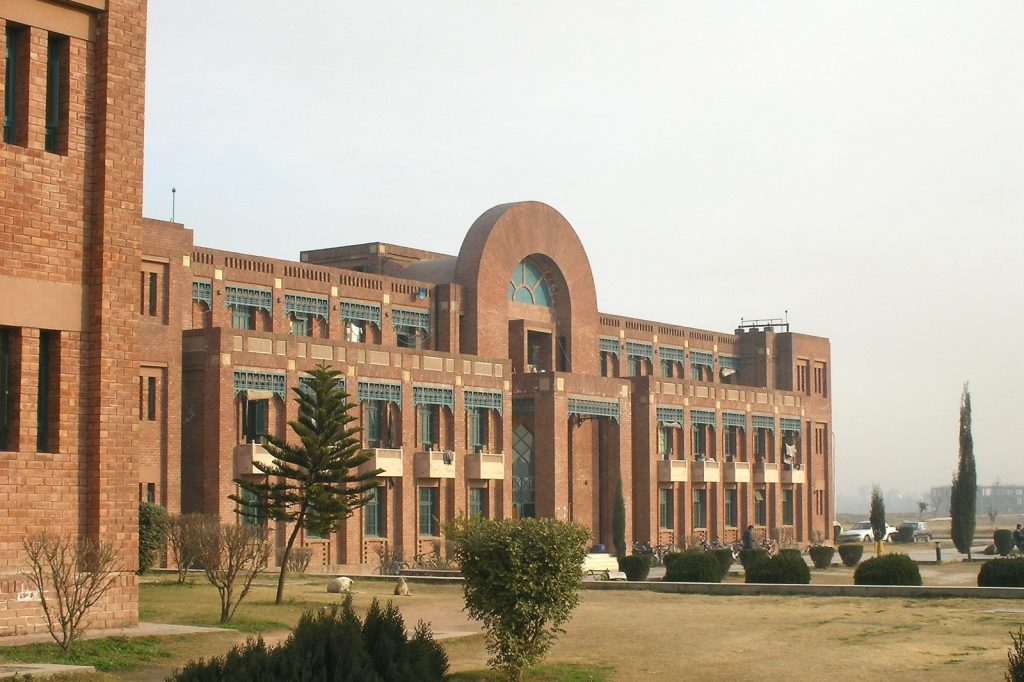
International Islamic University Islamabad (IIUI) has halted in-person sessions outright. Its classes run online over the stretch of April 20 through April 24, 2026, and the mid-term examinations set for April 20 and 21 are postponed. Two further administrative cuts stand out for anyone inclined to follow the money: non-teaching staff shift to a four-day week, Monday through Thursday, and 50% of staff have been told to stay remote from April 20 through April 30 — a measure the university frames as a way to curtail transport and utility expenditures. A security move that doubles as a cost saving is rare; this is one.
The pattern repeats next door. Pir Mehr Ali Shah Arid Agriculture University (PMAS-AAUR), the Rawalpindi institution, has shut its main campus for a full week, with teaching delivered online from April 18 to April 26. Students living in university hostels were directed to vacate immediately, and every employee must work from home, essential services staff excepted.
Rawalpindi Medical University took the narrower route, postponing all of its scheduled Allied Health Sciences examinations — a decision the administration says is meant to ease things for students navigating the prevailing uncertainty.
The backdrop explains the caution. Rawalpindi sits under extraordinary security protocols: more than 10,000 police personnel deployed and in excess of 600 checkpoints across the city. From midnight, security forces are to seal multiple sensitive areas around Nur Khan Airbase and Islamabad International Airport.
The restrictions reach oddly far. A strict ban now covers drone flights, pigeon flying and aerial firing — measures officials say keep the skies fully secure for the aircraft ferrying high-level foreign delegations. Police have ordered every boys and girls hostel in Rawalpindi closed, warning owners to clear out their premises by midnight Saturday on pain of strict legal consequences. Across the capital, the administration has begun collecting mandatory security certificates from building owners along sensitive travel routes. Islamabad, in short, remains on high alert.
Context matters for why a talk series carries this weight. On February 28 the US and Israel began a joint military offensive against Iran; Tehran answered with direct strikes on Israel and on other regional countries hosting American assets. The active war paused on April 8, when Pakistan mediated a critical two-week ceasefire. Universities emptying their dorms a fortnight into that truce is the clearest signal available of how fragile the city considers the moment — and how much is riding on the next round of talks.




