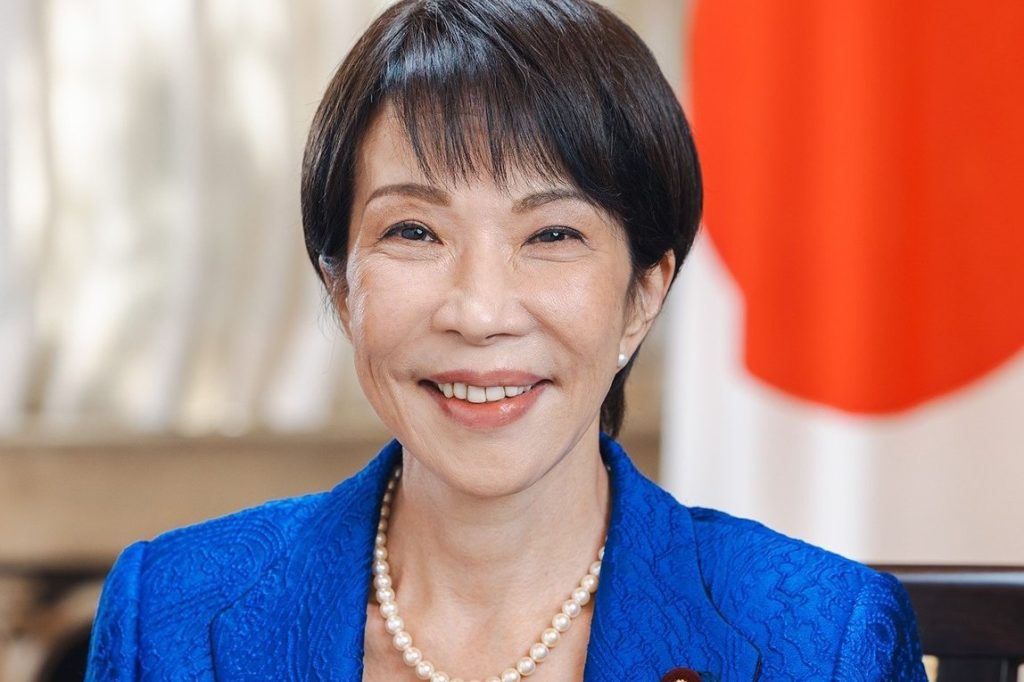
Japan’s Parliament reappointed Sanae Takaichi as prime minister on a Wednesday in February 2026, and she formed her second Cabinet that day. Her party had won a landslide in the election the week before. The Associated Press reported that she used a late-day news conference to say she hopes to deepen her relationship with US President Donald Trump, especially on rare earths development and other economic security matters, when she visits Washington next month.
Takaichi became Japan’s first female leader in October. The Liberal Democratic Party (LDP) now holds a two-thirds supermajority in the 465-seat lower house, the more powerful of the two chambers. That lets it dominate top committee posts and push through bills the upper house has rejected. The LDP-led coalition has no majority in the upper house.
Prices first, constitution later
Her first job is to pass a budget bill delayed by the election and deal with rising prices and sluggish wages. She has proposed a two-year sales tax cut on food. Experts quoted by the AP warn that her liberal fiscal policy could push prices higher and slow progress on cutting Japan’s large national debt.
Her long-held aim of revising the US-drafted postwar pacifist Constitution may have to wait, the AP said, with pressure on her over prices, population decline and military security.
Defense and immigration
Takaichi has pledged to revise security and defense policies by December. The plans include lifting a ban on lethal weapons exports. Japan is also considering a nuclear-powered submarine. She wants better intelligence-gathering and a national agency that works more closely with Washington and partners such as Australia and Britain. She backs an anti-espionage law aimed largely at Chinese spies, which some experts say could undermine civil rights.
On immigration she wants tougher policies. In January her government approved stricter rules on permanent residency and naturalization, along with measures against unpaid tax and social insurance.
She supports male-only succession for the imperial family and opposes same-sex marriage. She also opposes revising the 19th-century civil law to allow separate surnames for married couples, and has called instead for wider legal use of maiden names as aliases. Rights activists call that an attempt to block a dual-surname system.
Washington and Beijing
Talks with Trump are set for 19 March. Trump, who endorsed Takaichi before the vote, visits Beijing in April. Hours before her reappointment, Commerce Secretary Howard Lutnick announced that Japan will provide capital for three projects under the $550 billion investment package Tokyo pledged in October. The $36 billion first batch covers a natural gas plant in Ohio, a US Gulf Coast crude oil export facility and a synthetic diamond manufacturing site. Takaichi said she hopes to “closely cooperate” with Trump on those first investments.
Relations with China have been strained since November, when she suggested Japan might act if China made a military move against Taiwan. Beijing responded with diplomatic and economic reprisals. Many Japanese, frustrated by China’s growing assertiveness, welcomed her remarks, and experts say the election win could embolden her to take a more hawkish line. Soon after the vote she said she was working to win support for a visit to Tokyo’s Yasukuni Shrine, which Japan’s neighbors see as a sign of a lack of remorse for the wartime past.
“Japan will keep spending more and more for the U.S.,” said Masato Kamikubo, a Ritsumeikan University professor of policy science. “The question is whether the public wants her to speak out against Trump or be obedient to ensure Japanese security. For China, it’s simple. Japanese people want her to be tough.”