
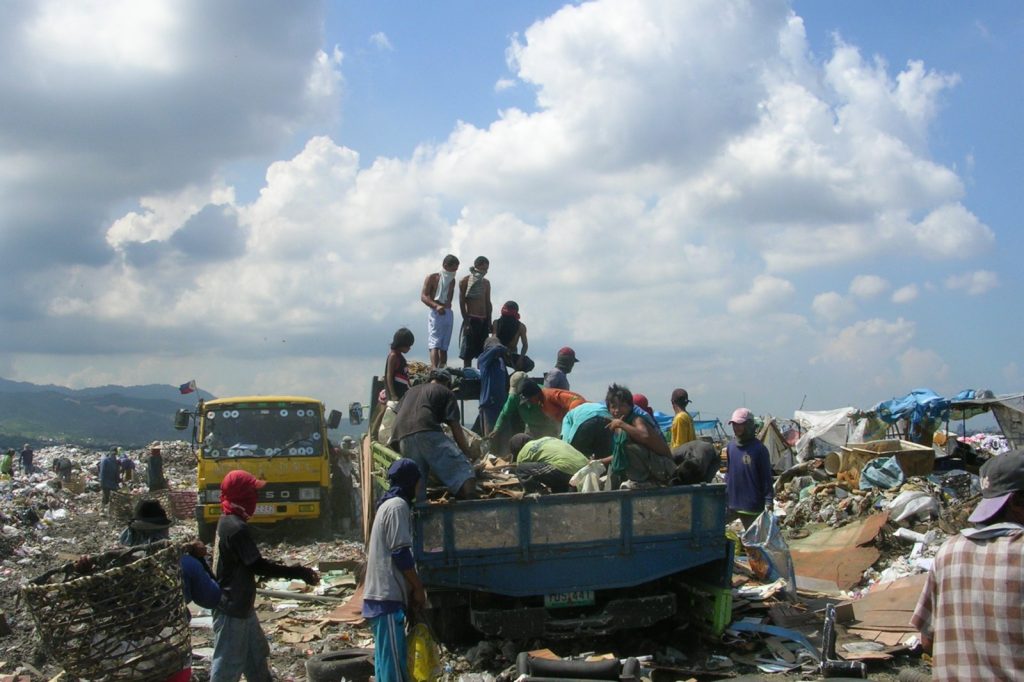
The last victim was removed from the debris on January 18, marking the conclusion of the search and rescue operation at the Cebu City landfill collapse. The operation’s end confirms a death toll of 36 individuals.
What the Collapse Reveals About Landfill Safety
Landfills are designed as engineered facilities, built with layers of compacted waste, drainage systems and gas‑venting mechanisms. When such a structure fails, the breakdown occurred well before the ground gave way, indicating a lapse in oversight or maintenance.
The incident raises questions about who was responsible for monitoring the site and what criteria were being used.
Limitations of Reactive Rescue Efforts
Urban search and rescue teams, including those that responded in Cebu City, act after prevention has failed. Their work is vital but does not address the underlying conditions that allowed the disaster to happen.
International bodies such as the International Search and Rescue Advisory Group exist to share best practices among national rescue units, yet their exchanges cannot repair a poorly maintained landfill, tighten regulations, or guarantee community safety.
Broader Impacts Beyond the Immediate Tragedy
The collapse highlights the gap between the ideal of proper waste management and the conditions on the ground. Landfills inherently pose environmental and health hazards; those dangers increase when monitoring is lax or enforcement is weak. The 36 fatalities represent the extreme cost of that neglect, while ongoing threats include contaminated groundwater, methane emissions, and unstable terrain that endangers nearby residences.
Cebu City’s Difficult Decision
The damaged landfill is clearly unsafe, yet closing it entirely would leave the city without any location for its refuse. This predicament illustrates the risk of relying on a single disposal facility. The tragedy forces a discussion about alternatives—reducing waste generation, increasing recycling, and treating waste rather than merely burying it.
These approaches are not novel; they are standard practice in many municipalities, but they demand financial investment and political commitment.
Existing Policies and Enforcement Gaps
The Philippine government has previously advocated for improved waste management, establishing laws and targets. Nevertheless, enforcement has been inconsistent.
Many landfills continue to operate without adequate liners or gas‑capture systems, and waste picking—a hazardous livelihood for the urban poor—persists at uncontrolled sites. The Cebu City collapse is a direct outcome of this failure to implement existing regulations.
Aftermath for Victims’ Families and the Public
For the relatives of the 36 deceased, the end of the search and rescue phase brings a sobering reality: funerals will follow, then a prolonged wait for accountability. Investigations require time, legal proceedings can be drawn out, and any compensation, if awarded, is often insufficient. The emotional strain does not lift when media attention fades.
For the wider community, the disaster serves as a warning: landfills are not invisible concerns located elsewhere; they sit on the peripheries of urban areas, and when they fail the consequences are not confined. The Cebu City incident should prompt other localities to examine their own waste facilities, questioning stability and safety measures.
Whether such inspections occur hinges on whether the lessons from this event are retained.
Long‑Term Perspective
Rescue teams have departed and the site is now quiet, but the aftermath is only beginning. The collapse is a symptom of a waste‑management system that has been strained for years. Remedying the situation will necessitate more than a solitary investigation; it will require a fundamental shift in how society‑not as something to hide, but as a critical infrastructure demanding the same rigor applied to critical infrastructure. Until that change, the ground beneath beneath these remain unstable. remain unstable.




