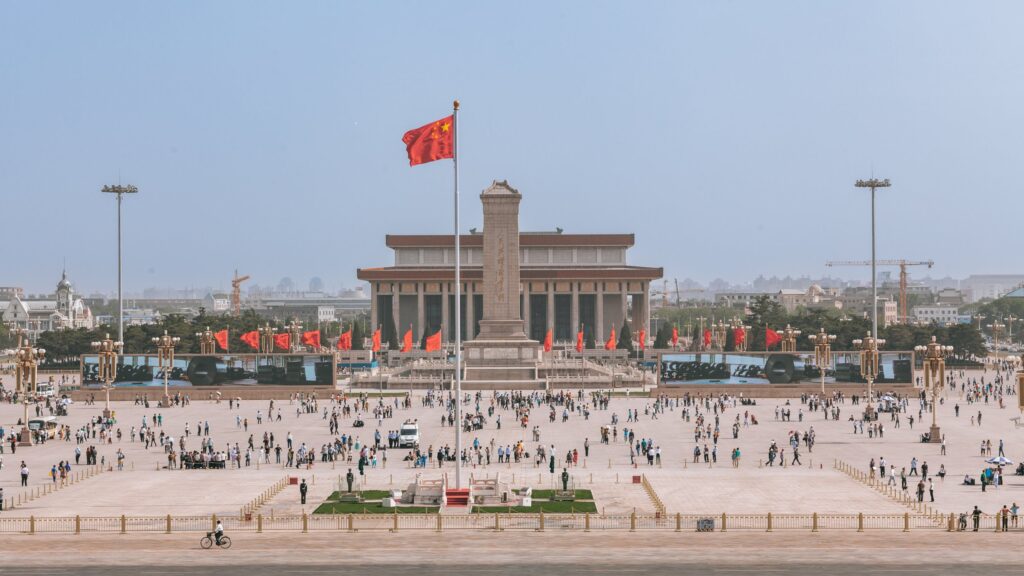
A 50-year-old man who had traveled to Wuhan died in Beijing on Monday. He was the capital’s first death from the new coronavirus, the city’s health commission said.
The man visited Wuhan on January 8 and came down with a fever seven days after returning to Beijing. He died of respiratory failure.
Elsewhere in China the national toll reached 82 that day. Hubei’s own count of deaths rose to 76 from 56, officials said, with five more deaths elsewhere in the country. Confirmed cases jumped about 30 percent to 2,744, roughly half of them in Hubei, whose capital is Wuhan. Some experts suspect the real number of infections is far higher.
Holiday stretched, businesses close
The government extended the week-long Lunar New Year holiday by three days, to February 2, trying to slow the spread. The holiday is normally a time of travel for millions, and many had to cancel plans.
Companies followed. The hotpot chain Haidilao shut its branches nationwide from Sunday until Friday. Tencent told staff to work from home until February 7. Alibaba pulled vendors’ overpriced face masks from its Taobao marketplace as prices surged.
Premier Li Keqiang went to Wuhan, the most senior leader to do so since the outbreak began. Wearing a blue protective suit and mask, he inspected containment work and spoke with patients and medical staff, the government said. Wuhan, a city of 11 million, was in virtual lockdown, and much of Hubei, home to nearly 60 million people, was under some form of travel restriction.
Markets and borders
Asian shares tumbled. Japan’s Nikkei fell 2.0 percent, its biggest one-day drop in five months, and demand rose for the Japanese yen and US Treasury notes. Reuters noted investors were worried about travel, tourism and wider economic activity. During the SARS outbreak of 2002-2003, air passenger demand in Asia plunged 45 percent, and the industry now leans harder on Chinese travelers.
Hong Kong, which had eight confirmed cases, banned entry to anyone who had been in Hubei in the previous 14 days, except its own residents. Macau did the same unless arrivals could prove they were virus-free. Haikou, on Hainan island, said tourists from Hubei would be quarantined for 14 days. “Hubei people are getting discriminated against,” a Wuhan resident wrote on Weibo.
Cases tied to Wuhan travelers had been confirmed in more than 10 countries, including Thailand, France, Japan and the United States. No deaths had been reported outside China. Australia confirmed its fifth case, a woman who took the last flight from Wuhan to Sydney before the travel ban, and Health Minister Greg Hunt said officials hoped to bring out about 100 Australian children and young people. One father, Nathan Wang, said his wife was stuck in Wuhan with their two children. “We absolutely want the children to come back, because hospitals in Wuhan are overwhelmed,” he said.
Questions remained about the virus itself. The National Health Commission’s Ma Xiaowei said the incubation period could run from one to 14 days and that the virus was infectious during it, unlike SARS. The WHO estimated two to 10 days. Wendy Barclay, a virologist at Imperial College London, said airport screening was unlikely to stop the virus effectively if people can pass it on without symptoms.
WHO Director-General Tedros Adhanom Ghebreyesus was due to travel to Beijing to meet officials and health experts.