BEIJING, November 29, 2026 — A Japanese food company has introduced its “easy-to-chew” meals to Chinese consumers at an event in Beijing, aiming to tap into the country’s vast and aging market with technology developed over two decades in Japan.
Japanese Kaigo Shoku Meets Chinese Demand
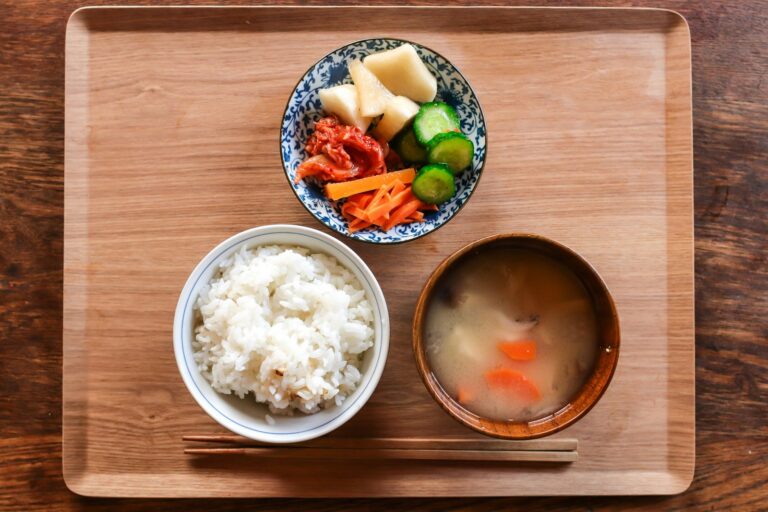
Umios Corp., a major Japanese seafood company, showcased three dishes featuring fish, chicken, and pork flavors at a Japanese Embassy event in early November. The ingredients were processed into chunks of mousse texture that preserve the original color and shape of the food. The company states the three dishes provide a total of 50 grams of protein. About 140 Chinese people sampled the meals at the event.
Yoshihiro Kono, an Umios sales official, explained that the technology addresses a common issue for the elderly. Many elderly people experience a gradual decline in their chewing and swallowing ability, he said, pointing to the need for food products that not only reduce the risk of mis-swallowing but also help provide adequate nutrition. Noting that the market for elderly-care food, or *kaigo shoku*, has developed over the past two decades in Japan, Umios stated it aims to “share the expertise gained” in that field with China so seniors can “eat safely and enjoyably.”
Targeting China’s 323 Million Seniors
The move comes as China faces a significant demographic shift. At the end of 2025, the country had 323.38 million people aged 60 and above, accounting for 23 percent of its total population, according to the National Bureau of Statistics. This rapidly expanding “silver economy” is driving demand for specialized nutrition and care services.
The Chinese government has responded with a national action plan targeting a 70% coverage rate for community-based eldercare institutions and facilities by 2030. This plan, issued by four government departments including the National Development and Reform Commission, aims to establish a framework for inclusive eldercare services that are accessible, affordable, and of assured quality.
From Institutional Care to Retail Challenges
Umios has been operating in the Chinese market for four years, supplying frozen easy-to-chew dishes from a factory in Shandong Province to nursing homes and hospitals mainly in northeastern China. The company’s current focus is on the institutional care sector.
However, challenges remain for expansion into retail. A woman who sampled the dishes at the Beijing event asked whether they were sold online to individual consumers, indicating a potential demand from families. Kono acknowledged the Chinese market is promising given the “sheer scale of the aging population” but noted hurdles in ensuring product profitability and finding a place in a local food culture where people prefer freshly cooked dishes to pre-cooked frozen meals.
Sources
- Japanese 'easy-to-chew' meals introduced in rapidly graying China – The Mainichi
- China’s aging villages play host to AI talent hubs
- Self-Help Successfully Built Caregiving Solutions For Aging Chinese Americans: Can We ‘Desifiy’ It?
- China rolls out plan to improve eldercare, childcare services
- Age before abs, China zoo lets viral leopard Pan Baobao keep his curves
- Meet Hong Haoxuan, âthe smallest wedding and birthday host on the internetâ; the 12-year-old emcee with a 1.3 million following on social media who travels across China to entertain at celebrations
Photo: Takafumi Yamashita / Unsplash (Unsplash License)