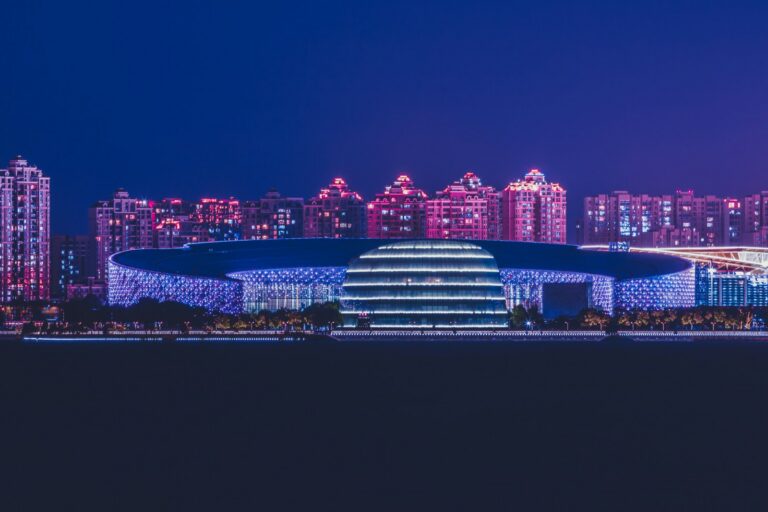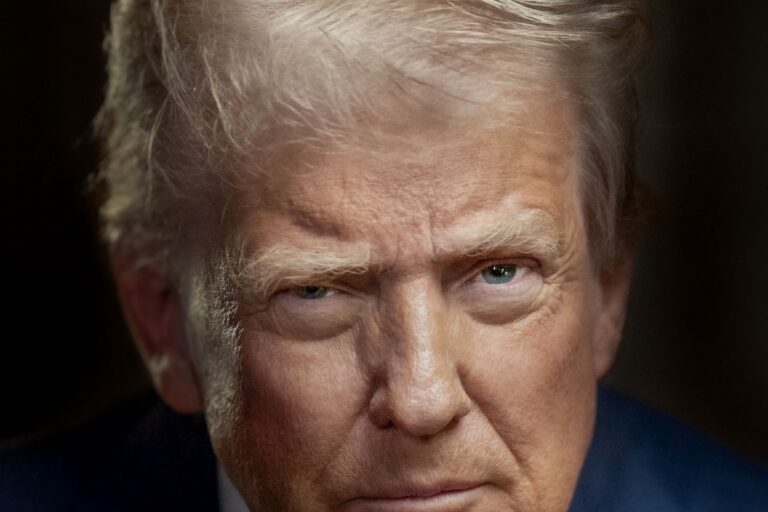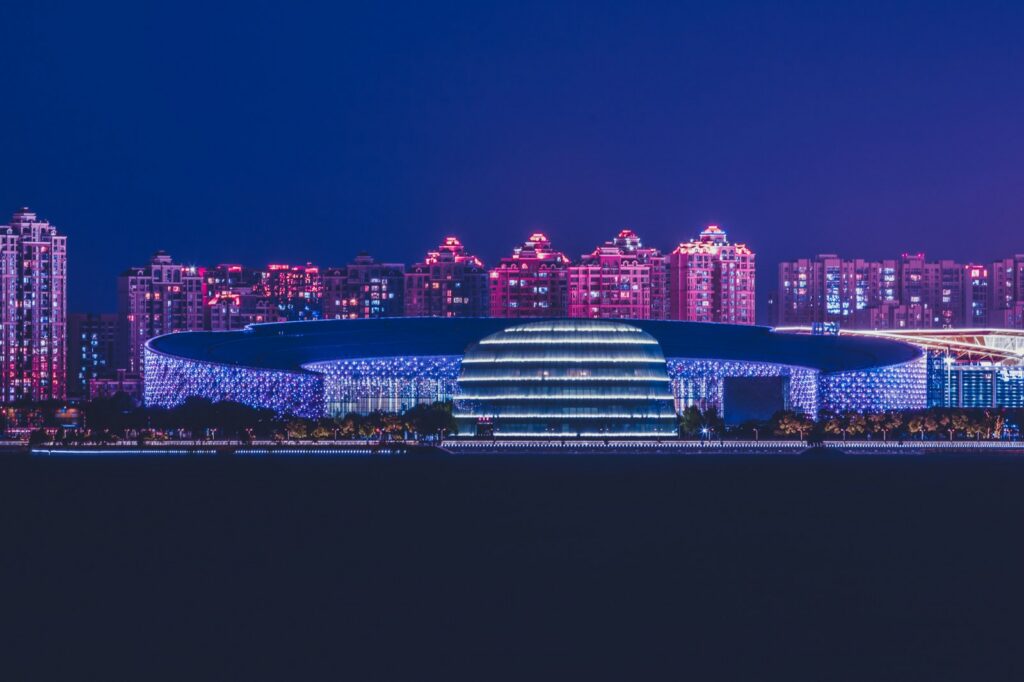
SHENZHEN, November 17, 2026 — The APEC CEO Summit opened on Tuesday at the Qianhai International Convention Center, drawing more than 2,000 representatives from 34 economies to a city that did not exist in its current form four decades ago. US President Donald Trump arrived as the first sitting American president to visit Shenzhen, where a trilateral meeting with Xi Jinping and Vladimir Putin is scheduled for Thursday.
From Fishing Village to AI Hardware Capital
Designated China’s first special economic zone in 1980 under Deng Xiaoping’s reforms, Shenzhen has grown from a rural backwater of 30,000 people into a metropolis of 18.2 million whose GDP now surpasses both Hong Kong and Singapore. The city hosts more billionaires than any city outside New York and more skyscrapers than New York City itself, according to the Council on Vertical Urbanism. Its average resident age is 32.
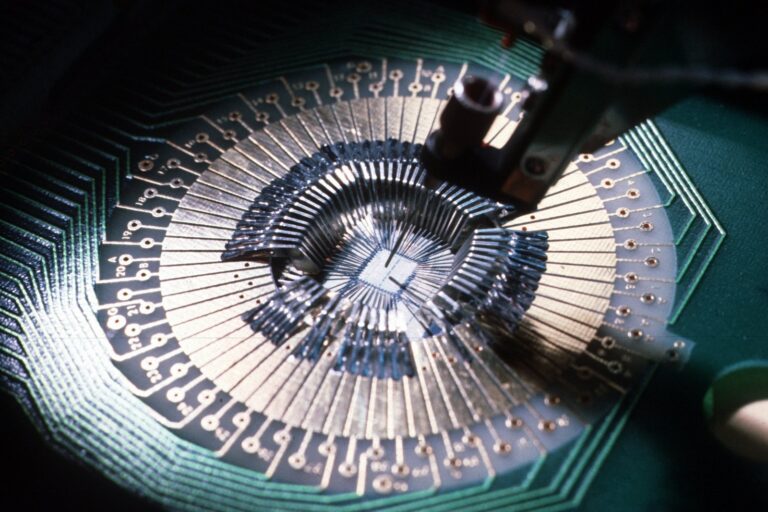
The transformation was built on hardware. Huawei, Tencent, DJI, and ZTE anchor an ecosystem that produces drones, telecommunications infrastructure, and the semiconductors that power artificial intelligence. Self-driving taxis and meal-delivery drones operate on public streets; solar-collecting orbs hang from roadside trees. Street names — Talent Park, Start-up Road, Garden of Knowledge — read like a policy document made concrete.
The APEC Stage: Qianhai and the CEO Summit
The summit runs November 17-18 under the theme “To Prosper and Win the Future Together.” Ren Hongbin, chairman of the China Council for the Promotion of International Trade, told delegates he hoped the dialogue would “spark new ideas and forge broad consensus.” US companies account for nearly 20 percent of non-Chinese Fortune Global 500 participants, the largest foreign contingent. A “Shenzhen Initiative” will be issued as the first outcome document in the CEO Summit’s 30-year history.
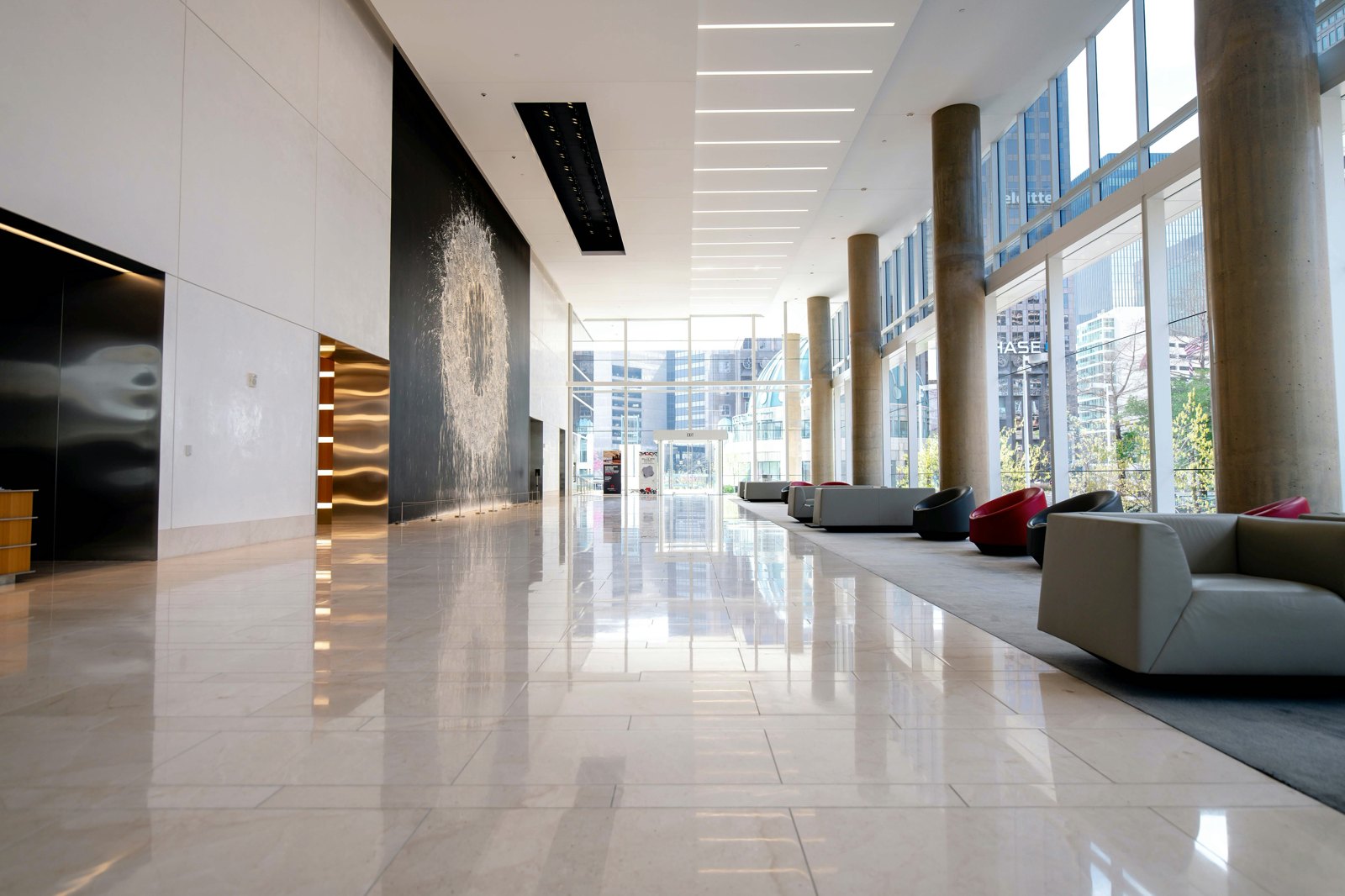
Sessions cover AI innovation ecosystems, digital economy cooperation, and the Guangdong-Hong Kong-Macao Greater Bay Area. The APEC University Leaders’ Forum convened 300 participants from 61 universities across 24 economies on November 16, co-hosted by Tsinghua University and CUHK-Shenzhen, focusing on AI-era talent cultivation.
The 144-Hour Ceiling
For all the futuristic gloss, foreign visitors confront a 1980s-era immigration framework. The clock starts on arrival; there is no extension mechanism for delayed flights or extended negotiations.
Cashless, Cardless, App-Dependent
The cashless economy presents a second barrier. WeChat Pay and Alipay dominate virtually every transaction, from metro gates to street vendors. Foreign visitors must link international credit cards to these Chinese apps, a process that requires a Chinese phone number and, in practice, a working VPN to download the software before arrival. Cash is legal tender but increasingly refused; ATMs dispensing foreign cards are scarce outside major hotels.
Surveillance and Data Localization
An extensive network of surveillance cameras and facial recognition systems covers urban areas. The Personal Information Protection Law and Cybersecurity Law require companies operating in China to localize data storage and submit to security assessments for cross-border transfers. For visiting executives, this means corporate devices may be subject to inspection, and cloud-based workflows often fail without pre-approved enterprise solutions. The infrastructure is invisible until it isn’t.
Geopolitics on Display
The summit unfolds against a fragile US-China trade truce set to expire in January. Trump, Xi, and Putin are scheduled to meet Thursday — the first face-to-face gathering of the three leaders, according to Chinese Foreign Ministry spokeswoman Mao Ning. The Kremlin said Putin and Xi will hold bilateral talks Wednesday addressing Ukraine and the Korean Peninsula, with a possible Putin-Trump meeting Thursday. A senior Trump administration official described the trilateral as a starting point rather than a breakthrough. The Shenzhen backdrop — drones, AI, a city built on speed — frames the rivalry in hardware terms: who controls the supply chains, the standards, and the data.
Sources
- Shenzhen
- China’s ‘miracle city’ that no US president has visited (yet) | CNN
- Apec CEO Summit 2026 opens in Shenzhen, eyes regional prosperity
- APEC University Leaders Convene in Shenzhen to Advance Innovation and Collaboration in the Asia-Pacific
- Kremlin: Putin, Xi set for talks in Shenzhen ahead of Trump meeting
- Over 2,000 business, political representatives gather in Shenzhen for APEC CEO Summit 2026
Photo: Kevin Xing / Unsplash (Unsplash License)