Two competing claims lie at the heart of a Japanese beverage legend: the world’s first canned coffee. Shimane Prefecture asserts its Mira Coffee was the pioneer in 1965, while UCC Ueshima Coffee Company points to its 1969 canned milk coffee as the true origin.
The 1965 Claim: A Shimane Dream
The case for the 1965 invention rests with Yoshitake Miura of Hamada City in Shimane Prefecture. According to the Hamada City Tourism Association, Miura had long been an enthusiast of coffee, having started a “Yoshitake Miura Coffee Appreciation Society” in Tokyo in 1935. The society was disbanded under the military regime as Japan headed toward war, and Miura returned to his hometown. His subsequent dream was to deliver coffee to the world. Miura had been bottling his coffee and sending it to Europe, but the process was imperfect. He consulted with a local canning factory and created a can designed to preserve the coffee’s flavor unchanged.
The Hamada City Tourism Association introduces Miura as the person who devised a method for brewing fragrant, rich coffee using a “flannel drip,” a technique where coffee is filtered through a cloth bag. Both Miura’s can and the later UCC product were born out of a shared inconvenience: the limitations of bottles.
The 1969 Claim: The Train Journey That Sparked an Industry
Tadao Ueshima, the founder of UCC Ueshima Coffee Co., offers the competing claim. His inspiration came from a personal inconvenience. Before boarding a train for a business trip, he bought a bottled milk coffee at a station kiosk. At the time, a rule required customers to return empty bottles to the kiosk, forcing Ueshima to board the train without finishing his drink. This frustration spurred the development of a container that could be discarded, leading to the creation of UCC’s canned coffee with milk in 1969.
The origin of this problem lies in older traditions of station coffee. In 1923, the first coffee milk in Japan was sold at Kozu Station on the Tokaido Line. The rule then was not to throw bottles out the window. By the time of Ueshima’s experience, the rule had changed to returning bottles to the kiosk, a practice still in place at milk stands like the one that opened at Akihabara Station in 1950. The reason, according to an ITmedia Business Online article, was the danger of broken bottles inside the station.
The Rise of the Can and Its Cultural Impact
While the debate over the “first” can continues, the product’s popularization is a more settled matter. The development of vending machines was notably significant. In 1973, Pokka Coffee introduced the hot and cold drink vending machine, a key factor in making canned coffee a ubiquitous convenience. By 1983, the industry had grown to ship more than 100 million cases annually.
Canned coffee is particularly popular in Japan, South Korea, and across Asia. It is a staple in supermarkets and convenience stores, with vending machines offering a seasonal convenience: heated cans in autumn and winter, and cold cans in the warmer months. The cultural significance of this simple innovation is profound, shaping beverage trends and becoming a cornerstone of the modern Asian convenience store experience.
The Evolution of the Can
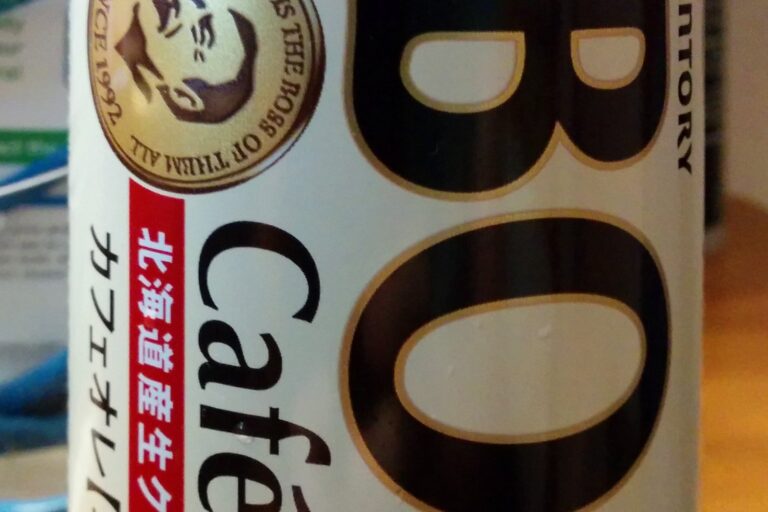
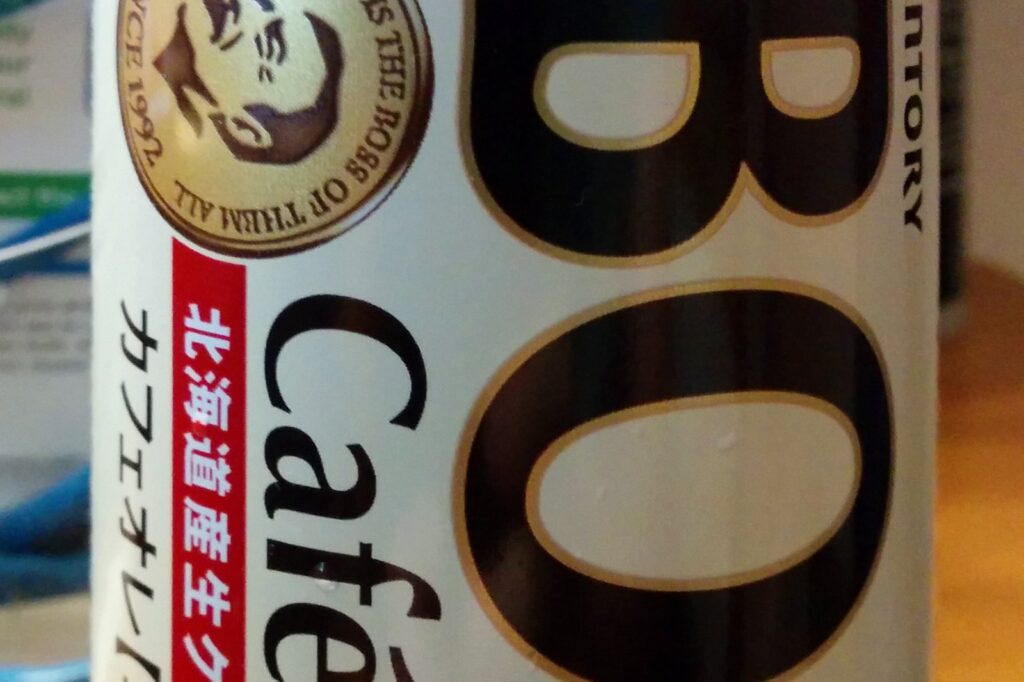
The physical design of the coffee can has also evolved considerably. The earliest cans were often corrugated in the middle two-thirds. This was followed by cans with straight steel sides, which have become the modern standard. The cans are typically made from steel, curled and seamed from a flat sheet, with aluminum coffee cans being almost non-existent, save for a notable exception like UCC Black.
For all the noise surrounding the invention, the salient point is that both claims highlight a shared origin: a desire to solve the simple, universal inconvenience of the bottle. The Hamada City Tourism Association continues to promote Miura’s contribution to the history of canned coffee, a testament to the enduring nature of the debate.
Sources
- Was the world's first canned coffee born in Japan?! | Investigating the history of canned coffee|INTPでADHDの生き方研究家/井ノ部
- Canned coffee
- Can a cup of coffee predict the weather?
- Pumpkin seed protein puts a twist on nondairy coffee creamer
- Cellarmaker Cans Nitro Coffee & Cigarettes for the First Time • thefullpint.com
- Anthony Albanese’s coffee diplomacy can’t remove shadow of domestic politics at Cop31
Photo: Fallschirmjäger (CC0)