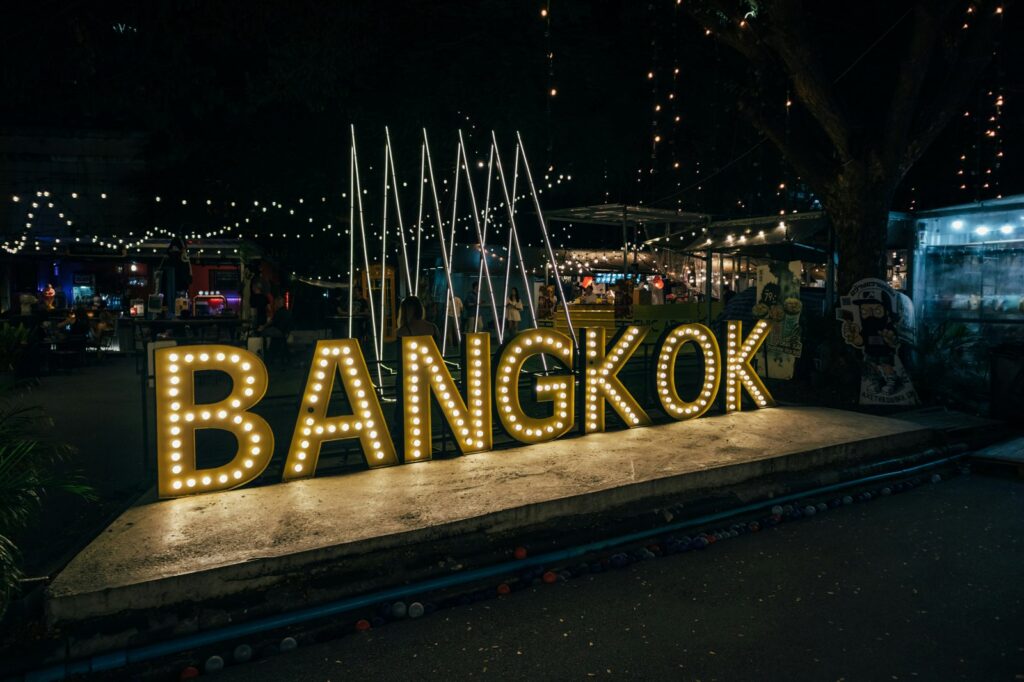
BANGKOK, November 14, 2026 — Eurovision, the pan-European song contest, is finally coming to Asia, with its first grand final in Bangkok, marking a significant expansion into the region. This move is the third attempt by the European Broadcasting Union to develop an Asian spinoff of the contest.
Background And History
The Eurovision Song Contest has a long history, dating back to 1956, when it was first introduced as a project to encourage greater cultural exchanges in a Europe trying to forge a common future after two world wars. Over the years, the contest has grown from 7 participating countries in its first year to over 30 countries today, becoming an integral part of Europe’s shared cultural heritage. The contest has been held annually since 1956, except for 2020 due to the COVID-19 pandemic, making it the longest-running international music competition on television and one of the world’s longest-running television programs.
How Eurovision Asia Works
The Asian edition of the contest will feature singers from 11 countries in the Asia-Pacific region vying for the title. The contest will be live-streamed on YouTube and broadcast by government-owned and commercial television stations in the participating countries. The winner will be determined by a combination of votes from a panel of judges and viewers from around the world. This format is similar to the European contest, which has been successful in promoting cultural exchanges and showcasing musical talents.
Key Figures And Numbers
The European Broadcasting Union is behind the expansion of Eurovision into Asia. Sarun ‘Note’ Kungbunpot, a Thai singer and Eurovision enthusiast, notes that while Asian contests focus on popular idols and singers, Eurovision is all about the song. The contest has attracted participation from 11 countries, including South Korea and Thailand, whose pop songs have found international audiences. However, Asian giants like India, China, Japan, and Indonesia are noticeably absent, although there are negotiations to include them in future contests.
What It Means Now
The expansion of Eurovision into Asia marks a significant milestone for the contest, as it seeks to conquer a new region and attract a broader audience. The success of Eurovision Asia could pave the way for further expansions into other regions, potentially making it a truly global phenomenon. As the contest continues to grow, it will be interesting to see how it adapts to the Asian market and whether it can replicate its European success. With its unique blend of music, culture, and entertainment, Eurovision Asia is poised to capture the attention of audiences across the region. As of now, the focus is on the inaugural grand final in Bangkok, which will be live-streamed on YouTube and broadcast on various television stations, with the winner to be announced soon.
Sources
- Eurovision is finally coming to Asia – meet the stars gearing up to take the stage – AOL
- Eurovision Song Contest
- Eurovision Song Contest Asia: What to Know
- Fan Voting in the Eurovision Song Contest is More Influenced by Individual Taste than Politics, BU Study Finds
- Eurovision debuts in Asia. Will it be all about politics?
- Swedish singer Robyn sharply criticized the Eurovision Song Contest
Photo: Kamil Molendys / Unsplash (Unsplash License)