Japan’s anime industry reached a record $28 billion in 2025. Behind that figure sit more than 430 production companies, from Studio Ghibli and Toei Animation to MAPPA, Ufotable and Wit Studio, and an audience that no longer waits for anything to cross the Pacific.
From a lag of years to a lag of hours
The shift began in earnest in the 2010s, when streaming services arrived and a wider group of viewers took to anime at home and abroad. Japanese animation already made up 60% of the world’s animated television shows by 2016. By 2022 it counted among the fastest-growing genres of content anywhere.
Crunchyroll, HIDIVE, Hulu and Netflix now carry the new season side by side. This fall’s slate includes Cyberpunk Edgerunners season 2 and Black Clover season 2, and the new Steel Ball Run chapters of JoJo’s Bizarre Adventure. Subtitled episodes reach U.S. screens close to the Japanese broadcast.
Who is watching
A recent survey by GEM Partners, a Tokyo analytics firm, found that more than one in five Americans watch anime regularly. That is double the reported 2020 share. Among Gen Z the figure is 44%, mostly through Netflix and Crunchyroll.
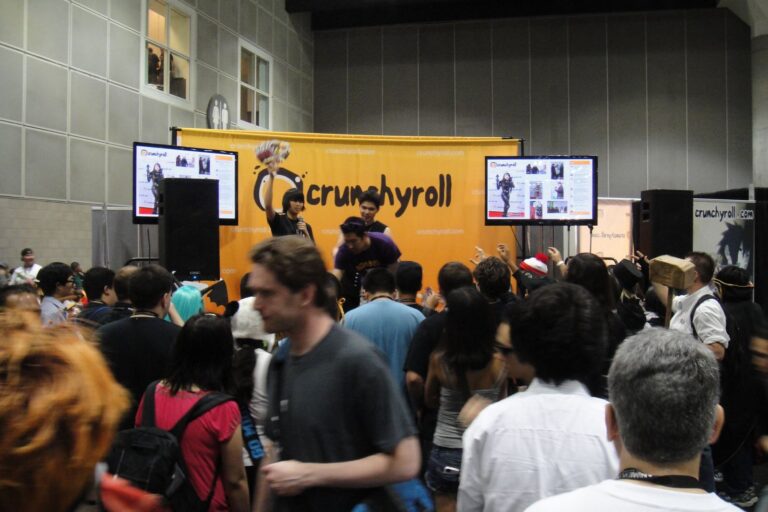
The same pull shows up on campus. At the University of Illinois Chicago, more than 750 students crowded into its Anime and K-Pop Convention on October 21, almost 300 more than the year before.
Hits that move the numbers
Single titles can bend the curve. Demon Slayer: Mugen Train took in 10 billion yen ($95.3m) in 10 days in 2020, the fastest in Japanese cinema history, and it beat Spirited Away, which needed 25 days. In 2024 Jujutsu Kaisen set a Guinness record as the most in-demand animated TV show, at 71.2 times the demand of an average series.
Adaptation feeds the pipeline. Many anime start as manga, light novels or video games, so a studio begins with a readership already in place. Death Stranding Isolations, due on Hulu and Disney+ in 2027, runs the loop in reverse: a Hideo Kojima game becomes a series from Kojima Productions and E&H Production, with character designs by Ilya Kuvshinov and scripts by Tow Ubukata.
What American kids once got
Before streaming, Cartoon Network’s Toonami block gave American children their first regular look at Japanese animation. Robotech, which aired there in 1998, stitched three separate Japanese series into one story and cut characters, places and events to make it fit. G-Force was reshaped for American television too, with dramatic narration for viewers who might have missed an episode.
Viewers can now compare those versions with the originals within hours of broadcast, and the old edits show.
Sources
- Anime
- 8 Cartoon Network Anime from the ’90s That Wouldn’t Work Today
- 12 Anime Worth Watching This Fall
- UIC’s own Anime and K-Pop Convention helps students find community
- [Anime Song Melody] aiko "The Color of Your Flower" (Opening Theme for the Fall 2026 Anime "Blue Box Season 2")|Daisuke
- The Other Upcoming 'Death Stranding' Anime Wants to Wake You Up the Hard Way
Photo: The Conmunity – Pop Culture Geek from Los Angeles, CA, USA (CC BY 2.0)