Origins at Utsunomiya Station
The culinary tradition known as ekiben began in 1885 when vendors first sold these meals at Utsunomiya Station, located about 60 miles north of Tokyo. The initial offering was modest, consisting of two salted rice balls crusted with sesame seeds, wrapped in young bamboo leaves, and served with a side of pickled daikon radish.
These early boxes were simple fare designed to feed travelers during long journeys before the convenience of modern dining cars became standard. The practice spread quickly from Utsunomiya to other railway stations across the country, evolving as rail travel boomed after the Second World War. By 1888, the first standard ekiben featuring rice and a few side dishes were sold at Himeji Station, marking an early step in diversifying the menu beyond basic onigiri.
Before the introduction of rail travel, travelers typically prepared their own meals or purchased food kept in wooden bento boxes sold in tea houses. The concept of selling ready-made meals evolved further during intermissions of kabuki theatre performances, where makunouchi-bento, or between-acts box lunches, were offered to audiences. These theatrical snacks eventually merged with the railway industry to create the distinct ekiben format seen today.
Evolution into Local Specialties
By the early 20th century, many stations began to feature meals prepared from local specialties, a practice known as tokusanhin. This shift transformed ekiben into a form of meal unique to specific regions rather than a generic lunch option. A well-known example is ikameshi, or squid stuffed with rice, which is served at Mori Station in Hokkaido.
This dish was originally produced specifically as an ekiben meal but has since become a noted regional dish in its own right. The evolution continued into the 1970s when sales were further spurred by Ekiben Hitoritabi, a drama based on a manga about a person who travelled round Japan to taste the various local offerings. This cultural exposure helped maintain interest even as air travel became more affordable and trains became faster in subsequent decades.
The popularity of ekiben reached a peak in the 1980s before declining slightly as dining car services were discontinued when Japan’s asset price bubble burst in the early 1990s. However, numerous types of ekiben can still be purchased at stands in the station, on the platform, or on the train itself. Some of these offerings are presented in unique containers that serve as souvenirs or collectibles for tourists and locals alike.
Modern Significance and Cultural Preservation
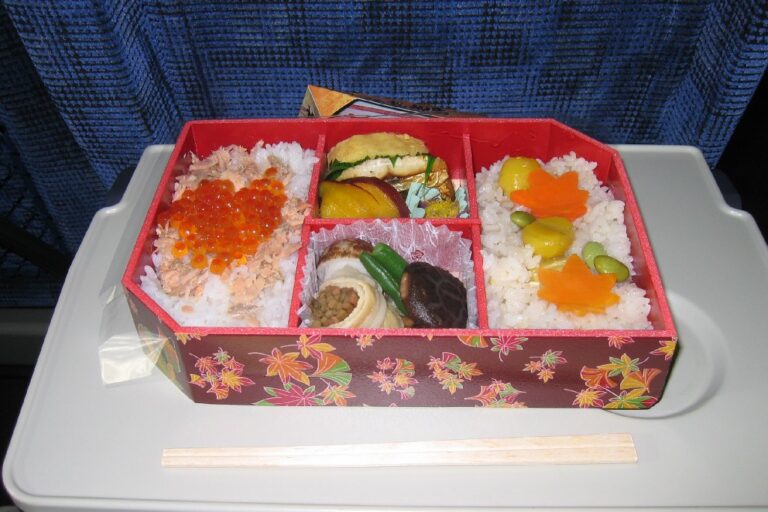
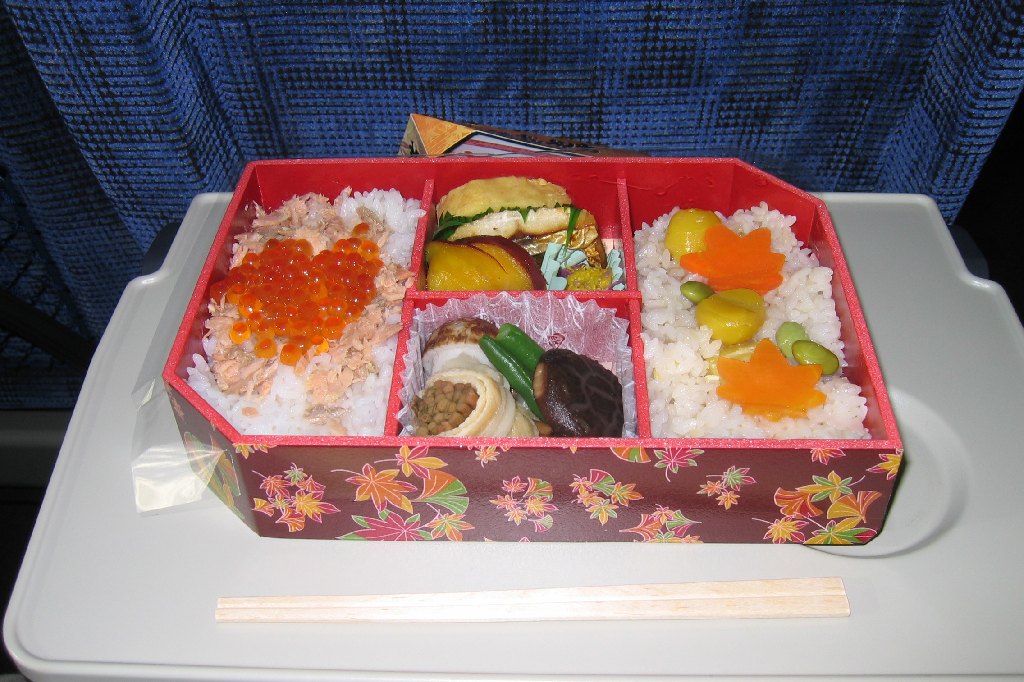
Today, ekiben packs diverse local ingredients and centuries-old Japanese culinary tradition into portable boxes available at train stations across Japan. They form an ever-changing library of culinary traditions encompassing not just local flavours and ingredients, but also references to classical novels, history, nutritional science, pop culture, the changing of the seasons, and memories of war and hunger.
The design has adapted over time; while early versions relied on simple wooden boxes or bamboo leaves, modern offerings include self-heating boxes and intricate ceramic containers. Fans currently line up for bento featuring characters from Pokemon, Sanrio, and the world of Godzilla, alongside countless other national favourites. In Hiroshima, local officials are seeking formal cultural protections for ekiben that preserve styles of eel preparation that have long disappeared from modern kitchens.
The traditional way to enjoy these meals remains in motion, viewing the scenery that corresponds to the ingredients and recipes inside the box. For instance, travelers might ride the Suzuran Limited Express to Bokoi Station in Muroran, Hokkaido, to taste Bokoi-meshi, a rare bento featuring Sakhalin surf clam served in onigiri with sea salt harvested nearby. The cold season is when this tender clam’s flavour peaks, and only 40 servings are made each day, often running out by the afternoon.
These boxes are designed to be eaten cold or at room temperature so the flavours can last through a long day of travel. They are sold exclusively at train stations—both before and after the ticket gate—and each package lists the exact hour it will expire. The flagship store in the basement of Tokyo Station offers more than 300 kinds of these meals, highlighting the sheer variety available to travelers.
January is not just the peak season for Bokoi-meshi; it is also when the nation’s largest and oldest ekiben food festival takes place at the Keio Department Store in Shinjuku, Tokyo. This two-week tournament offers a chance to taste the best of the tradition, ensuring that despite changing times, the essence of the train bento culture persists as a vital part of Japan’s culinary landscape.
The Nihon Tetsudo Connection
The emergence of the first ekiben in 1885 was directly linked to the development of the national rail network. This initial sale at Utsunomiya Station occurred when the Nihon Tetsudo line established a connection between the station and Ueno Station in Tokyo. By facilitating travel between these two points, the railway created a new demand for convenient, portable meals that could be consumed during transit.
This early connection between the Nihon Tetsudo line and the station provided the foundation for the rapid expansion of the industry. As the railway infrastructure grew, the model established at Utsunomiya quickly spread to other locations, transforming how passengers accessed food during their journeys. This integration of the Nihon Tetsudo line into the daily lives of travelers proved essential in establishing the bento box as a permanent fixture of the Japanese railway experience.
Sources
- The Joy Of Ekiben—Why Japan's Train Bento Boxes Are Worth Traveling For
- Ekiben
- The Joy Of Ekiben—Why Japan's Train Bento Boxes Are Worth Traveling For
Photo: Fozzibab at English Wikipedia (Public domain)