
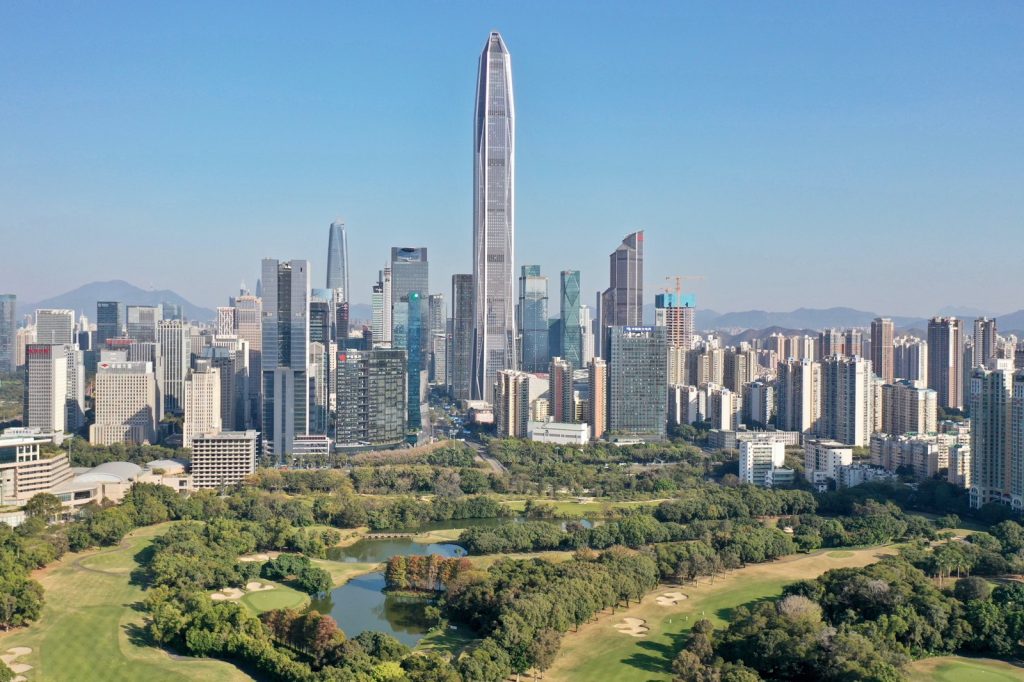
BEIJING, October 8 — China’s real estate market, which has been experiencing a slump for several years, may be poised for a turnaround. The market has been affected by various factors, including government regulations, a decline in housing demand, and a slowdown in the economy. However, recent data suggests that the market may be stabilizing, with some areas showing signs of growth. According to reports, the Chinese government has been implementing policies to support the real estate sector, including measures to increase funding for developers and to stimulate demand. The government’s efforts to revive the market are seen as crucial, given the significant contribution of the real estate sector to China’s economy. In 2022, the real estate sector accounted for approximately 25% of China’s GDP. The sector also plays a vital role in employment, with millions of people working in the industry. The potential turnaround in the real estate market is expected to have a positive impact on the broader economy, with potential benefits for related industries such as construction and manufacturing. As of 2023, the Chinese government has announced plans to invest around 1.8 trillion yuan (approximately US$260 billion) in infrastructure projects, which is expected to support the real estate market. The market’s recovery is also expected to be driven by an increase in demand for housing, particularly in the affordable segment. With the government’s support and the potential for growth in demand, China’s real estate market may be on the path to recovery after a yearslong slump. Officials noted that sustained policy support will be key to maintaining momentum in the sector. The company said that access to financing has improved for some developers in recent months. Data shows that sales in certain tier-two cities have begun to rise, reflecting renewed buyer interest. Analysts will be watching closely in the coming quarters to see whether these early signs translate into a broader, sustained rebound across the national market. Continued monitoring of investment flows and housing starts will be essential to assess the durability of any turnaround. The interplay between local government finances and developer liquidity remains a critical factor to watch. Any shift in central bank lending policies could significantly influence developer capacity to break ground on new projects. Meanwhile, urbanization trends in western and central provinces may offer new sources of long-term demand if paired with adequate infrastructure investment. The coming months will test whether policy stimulus can overcome deep-seated imbalances that have weighed on the sector since 2021. A stable property market is viewed as essential not only for economic growth but also for financial system resilience, given the sector’s deep linkages with banks, trusts, and local financing vehicles. Policymakers face the delicate task of encouraging recovery without reigniting speculative excesses that contributed to past downturns. For now, the focus remains on clearing inventory and supporting viable developers through targeted credit and tax measures. Success will depend on coordinated action across multiple levels of government and sustained confidence among homebuyers and investors alike. The real estate sector’s performance will continue to serve as a key barometer for the health of China’s broader economy in the period ahead.
China’s real estate market shows signs of turnaround after years-long slump
Google
Get asiansuntimes.com stories first. Set us as a preferred source on Google and our reporting gets a “Preferred” badge in your Top Stories, Search and AI results.
Add as preferred source →
More stories by
Most read
-
Saudi Aramco Disputes 2027 Oil Contracts With Asian Refiners Amid Supply Uncertainty
-
Why Phobos Remains Planetary Science’s Ultimate Unclimbed Mountain
-
Shinzo Abe’s Long Road From Youngest Post-War Premier to Japan’s Longest-Serving Leader
-
Sri Mulyani Indrawati’s Historic Run as Indonesia’s Economic Anchor
-
China Moves to Restrict AI Exports as Global Technology Rivalry Intensifies
-
Regrowing Without Reseeding: How Perennial Rice Eliminates Plowing
-
Where to Spend Christmas in Kuala Lumpur 2026: Best Hotel Festive Dinners
-
Why Kuala Lumpur Belongs at the Top of Your Asia Travel List
-
FAO Dialogue Launches Green Agriculture Stocktaking Report Across Five Regions
-
Sports demonstrate powerful pull for tourism
-
North Korea’s Missile Activity Triggers Asia Travel Advisories
-
War Resolution May Boost Travel Opportunities in Iran
-
Saudi Arabia Removes Anti-Israel Statement from Textbooks
-
Japan’s Population to Drop to 87 Million by 2060: Official Projections
-
Andhra CM Naidu approves Rs 300 crore for Veligonda project displaced families
More stories
-

Saudi Aramco Disputes 2027 Oil Contracts With Asian Refiners Amid Supply Uncertainty
-

Regrowing Without Reseeding: How Perennial Rice Eliminates Plowing
-

Why Phobos Remains Planetary Science’s Ultimate Unclimbed Mountain
-

Shinzo Abe’s Long Road From Youngest Post-War Premier to Japan’s Longest-Serving Leader