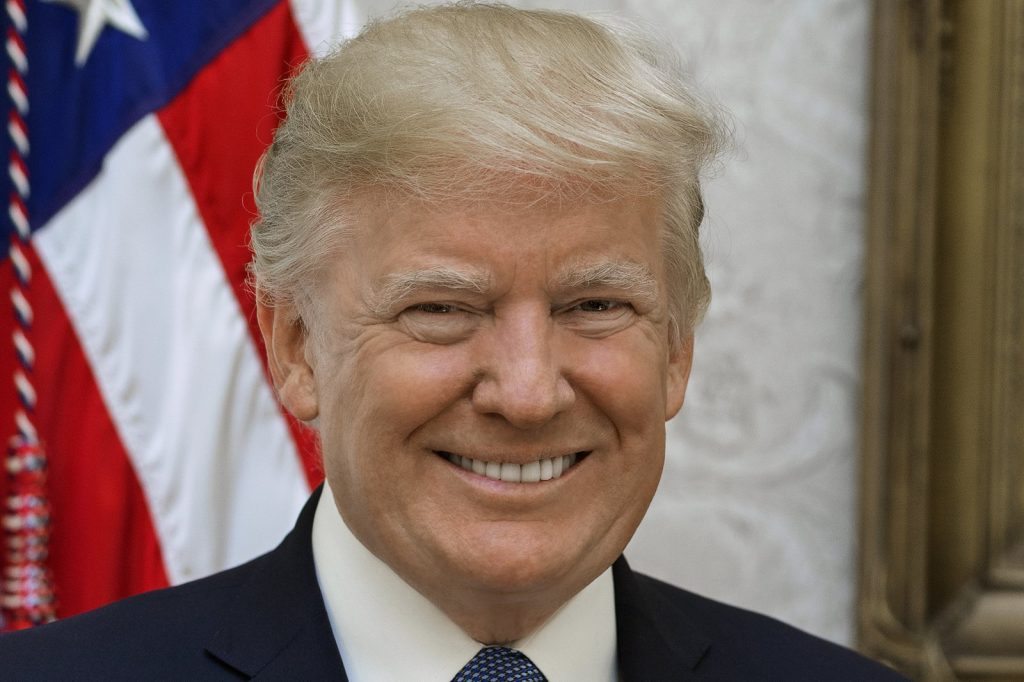
Hateful posts about South Asians on X climbed 240 percent a month between January 2024 and June 2026, from 12,904 to 43,843, according to a new report from the Washington-based Centre for the Study of Organised Hate (CSOH). Titled “The Rising Tide of Anti-South Asian Hate in the United States”, the study traces part of the surge to Donald Trump’s immigration crackdown and rhetoric, along with economic anxiety and the community’s higher profile in American life.
What the researchers counted
From January 2025 to June 2026, they logged more than 542,000 posts on X aimed at people of South Asian origin in the US. Five of the six highest-volume months came at the end of that period. The yardstick was the United Nations definition of hate speech; the team tracked recurring slurs and narratives and went through posts one by one, filtering out criticism that fell short of that threshold.
Close to half the hateful posts claimed South Asians were invading the country, taking jobs or changing its demographics. The slur “pajeet” and its variants appeared in 30 percent of hateful posts on X and 45 percent on fringe platforms. Portrayals of South Asians as filthy or unhygienic rose 171 percent on X, the steepest increase among the narratives monitored. The abuse often merged distinct identities, treating Indians, Pakistanis and Bangladeshis as one group, and Hindus, Muslims, Sikhs and Christians as a single bloc.
Visas, rhetoric and resentment
Prejudice against these communities is not new, the researchers say. The spike comes from old biases colliding with fresh political and economic strains. The H-1B visa programme is a major flashpoint: more than 70 percent of holders are Indian, and the report ties several waves of hatred to political fights over it, including Trump’s September 2025 move to require a $100,000 payment for certain new petitions. “Such actions serve a powerful symbolic function, in the bargain reinforcing the hostility of Trump’s base toward South Asians,” the report said.
It also cites Trump’s July 2025 AI summit address, where he criticised US technology firms for moving jobs to India. A pronounced rise in anti-South Asian rhetoric followed. More recently, the report points to a Department of Homeland Security post, since removed, titled “Transformers: Age of Deportations”, which showed a Sikh man identified as “Mr Singh” and told him to “get off our roads”. Days later the Department of Education posted “Make College Football Great Again”, after Texas Republican Bo French complained about South Asians at a University of Texas game. Such messages, the report argues, reinforce the idea that South Asians “can never truly belong in the country”.
Economic resentment is another driver. Indian Americans, long cast as a “model minority”, are now portrayed as “opportunists and cheats”. All of this plays out as South Asians gain visibility in politics, among them Kamala Harris, New York Mayor Zohran Mamdani, Usha Vance and Vivek Ramaswamy. Attacks on figures from both parties are documented, and Mamdani’s primary and mayoral wins set off waves of anti-South Asian and Islamophobic abuse. The researchers link these trends to majority “anxieties about loss of status” and to the “Great Replacement Theory”.
From posts to the street
On X, researchers found accounts doxxing South Asians accused of taking jobs or committing visa fraud, and influencers turning up at homes and workplaces to confront people on camera. One video from right-wing influencer Sara Gonzalez, posted to more than half a million followers, shows her harassing a South Asian person she accused of exploiting the H-1B programme, the report says. Generative AI has made demeaning imagery easier to produce.
The report measures hate mainly online, but says it “does not exist in isolation from offline forms of hostility”. It cites a July attack in Utah in which an Indian Muslim mall employee was repeatedly stabbed, charged by federal prosecutors as a hate crime, and a September incident in which a Sikh truck driver was stabbed 17 times at a Wyoming truck stop.
Sources
- Anti-South Asian Hate Speech Surged Online in US, Report
- Anti-South Asian online hate surges in US under Trump 2.0, study finds