
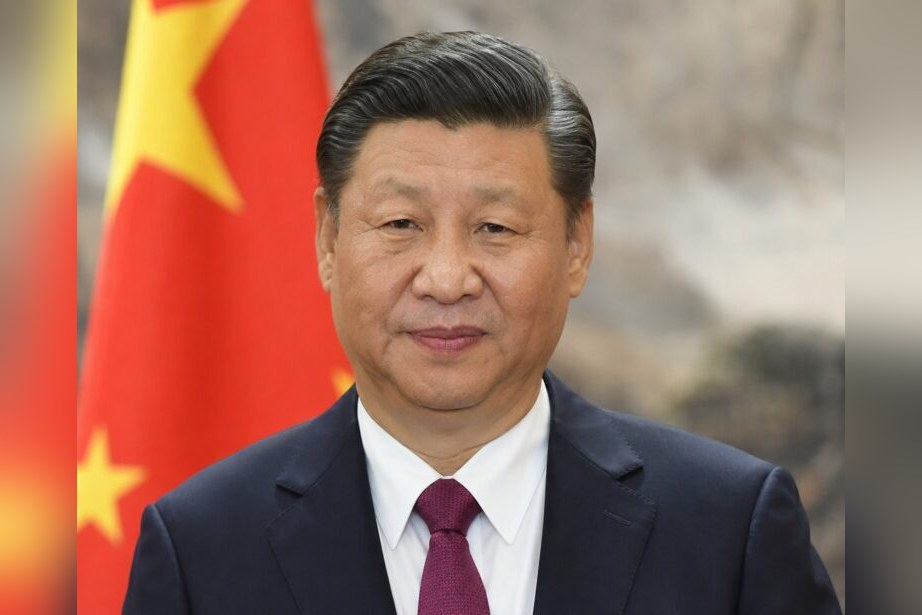
WASHINGTON, September 26 — The story begins on the South Portico, late in the morning, with handshakes and a military flyover. President Donald Trump and First Lady Melania Trump greeted Chinese President Xi Jinping and his wife at the White House on a Thursday, and by the time the two leaders sat down, the day had been carefully staged: flyovers overhead, pandas in the symbolism, goodwill on the surface. What unfolded beneath that choreography was more measured.
The summit produced a $30 billion reciprocal tariff cut deal between the United States and China, and the two countries launched a dialogue on artificial intelligence. Those were the principal deliverables — concrete, but modest in scope.
The Thucydides Trap, Invoked Again
At its heart, the meeting was about whether two great powers can avoid the pattern that has undone others before them. Xi reiterated his long-held view that the two countries can overcome the “Thucydides Trap” — the idea, drawn from the ancient Greek historian Thucydides, that a rising power and an established power are prone to war. The concept is most closely associated with the political scientist Graham Allison, who studied the rivalry between Athens and Sparta and applied the framework to modern U.S.-China relations.
Xi has invoked the trap repeatedly in his public diplomacy, arguing that the two powers can avoid the historical pattern of conflict through mutual respect and cooperation. He did so again at the White House.
Xi also laid out terms to avoid U.S.-China military conflict, a sign of the security stakes involved, and he called for the United States to “oppose” Taiwan independence — a long-standing point of tension in the bilateral relationship. Trump, for his part, hailed China as a World War II ally, underscoring the historical dimension of a relationship that has moved from wartime alliance to strategic rivalry.
Symbolism and Substance
Analysts said the symbolic gestures — the flyovers, the pandas — masked underlying divides. Observers characterized the meeting as producing positive vibes but limited progress. The $30 billion reciprocal tariff cut, meaning both sides agreed to reduce tariffs on that scale, suggests a measured rather than sweeping reduction.
The AI dialogue marks a new channel for the two countries to discuss a technology sector that has become a central arena of competition. For those involved, the day offered a rare moment of ceremony between two governments that disagree on trade, technology and security.
The coverage of the summit emphasized both the positive atmosphere and the limited progress, reflecting the complexity of the U.S.-China relationship. What to watch next: whether the tariff deal and the AI dialogue translate into further concrete steps, or remain the ceiling of what this summit could deliver.




