“Basic groceries are now out of our reach. With fuel prices rising, the situation is only getting worse.” That is how one Tehran resident described daily life to The Algemeiner, and it fits what families across Iran are living through.
The squeeze comes from Washington’s renewed economic campaign. Wider secondary sanctions and a blockade on Iranian oil exports have cut Tehran’s supply of foreign currency, which makes imports dearer and has driven the rial to record lows. People buy less. Medical treatment gets put off. Queues at petrol stations grow long.
Earlier in September the government raised pump prices, a risky move in a country where a sudden fuel increase helped set off nationwide protests in 2019. Iranians fear the cost of transport will now creep into bread, meat and other basics. The Algemeiner also reported that most ordinary Iranians blame their own rulers, whom they see as unable to run the economy and more interested in anti-Western ideology and backing armed groups than in their own people.
Why the streets stay quiet
And yet there has been no second uprising on the scale of January’s anti-regime protests. Anger is not the missing ingredient. Fear is doing the work.
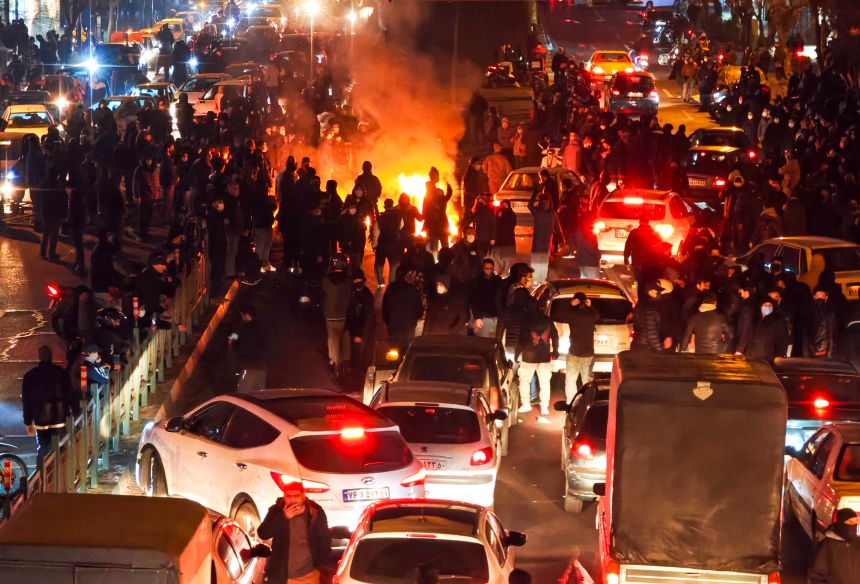
In January the authorities shut off the internet, arrested people in large numbers and used lethal force. Thousands of protesters were killed by the security forces, and estimates run far above anything the government has admitted, with some reportedly reaching the tens of thousands.
The trials came fast, and so did the hangings. Human Rights Watch says at least 29 people have been executed over the protests, and dozens more face the same fate. The family of twin sisters Taraneh and Romina Rahimi, both 20, say the two were tortured after being detained for joining the January demonstrations. Taraneh has been sentenced to death. Romina got 25 years in prison.
Cases like theirs work as a standing warning. A person thinking about joining a new protest is risking far more than a night on the street: identification later from camera footage, a raid on the family home, the loss of a job, prison, even a death sentence.
“I don’t see mass protests happening anytime soon,” a shopkeeper in Shiraz said. “People are scared for their lives.” Checkpoints have multiplied since the war between Iran and the US began in late February, and soldiers are a common sight in the cities.
Simple survival holds people back too. The hardship that fed the political anger has used up the hours and energy that organizing takes. Someone working extra shifts, hunting for medicine, queuing for fuel or trimming the food budget has little left over. Households have already cut the quality of what they eat and delayed seeing doctors.
So the calm looks more like a forced pause than a settlement. Small protests have been reported in several cities in recent days, among them demonstrations over unemployment in southwestern Iran. What has not returned is the nationwide, cross-class movement of January.
What could change it
How much the economy deteriorates is only part of it. Something would also have to convince large numbers of people that staying home is no safer, or no easier to bear, than marching. Officials seem to know this. Heavy security at fuel stations and steady pressure on civil society suggest the state wants to stop scattered grievances from joining up.
Washington is betting that tougher economic pressure will push Tehran to give ground. But sanctions that make citizens poorer do not hand them the organization, protection or confidence to face an armed state.
The account comes from Maddie Ali, a former schoolteacher and freelance contributor to The Algemeiner who lives in Iran. Her name has been changed to protect her identity.